The Goechala Trek is one of the most mesmerizing treks in the Indian Himalayas and makes for a thrilling journey indeed. Situated in the beautiful state of Sikkim, this trekking trail exposes panoramic views of snow-capped mountains and free-flowing streams and enables you to get close to the amazing beauty of Kanchenjunga (the third-highest mountain in the world). If you are a journey lover or an avid trekker, Goechala Trek is a magnificent experience that you will never forget. Its varied terrain, cultural richness, and thriving ecosystems put it as one of the most well-known trekking trails in India. And the trip is more than just getting to a place; it’s about being submerged in the raw, untamed beauty of the wilderness and testing yourself beyond any known limit.
Overview of the Goechala Trek
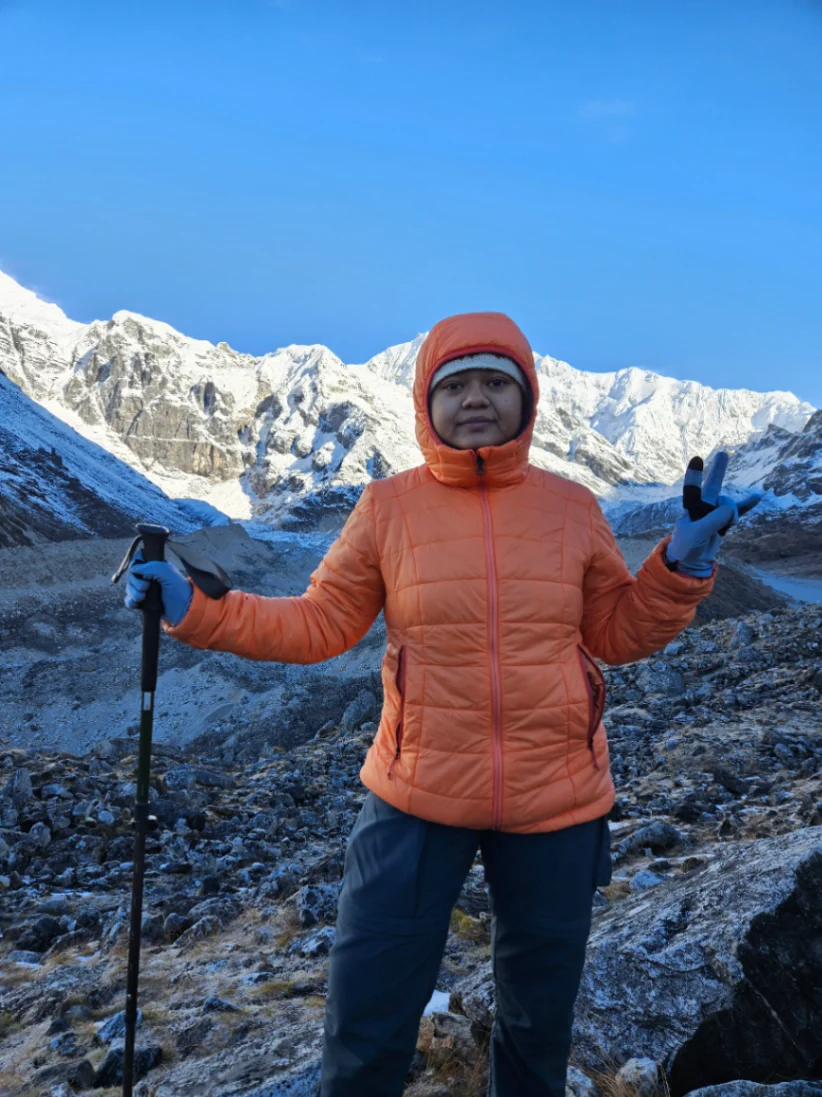
The Goechala Trek begins from the tiny settlement of Yuksom in West Sikkim. The gateway of many a Himalayan trek, Yuksom is more than just the trailhead—it has historical and cultural heft for those familiar with Sikkim. The trail is about 90 kilometers long and usually takes between 10 and 12 days, depending on your schedule and hiking speed.
What makes this trek an absolute stunner is that the route packs in a little bit of everything: lush green forests, gurgling rivers, alpine meadows, and rough mountain trails. The altitude increases steadily on the trek, with Goechala Pass at 16,200 feet as the highest point. En route, trekkers traverse several notable places, such as Sachen, Tshoka, Dzongri, Thansing, and Lamuney. Each campsite has its own personality, be it overlooking rhododendron forestry or snowcapped peaks.
The distinguishing feature of the Goechala Trek is that it offers a stunning view of the Kanchenjunga massif. The landscape is dominated by the incredible Himalayan panorama, which, at these viewpoints, consists of over a dozen of the highest peaks on Earth. There is nothing quite like the feeling of rapture and peace when you finally make it to these vantage points.
The hike also features sections of the protected forests, which are part of Kanchenjunga National Park (a UNESCO World Heritage Site). This not only contributes to the trek’s natural beauty but also gives participants a chance to see some very unique and diverse wildlife. From brightly hued birds to shy mammals like the red panda, it’s a journey with much for wildlife enthusiasts.
Highlights of the Goechala Trek

Goechala Trek Its crowning glory is the spectacular view of Kanchenjunga. There is no way any trekker will ever forget the golden rays of the rising sun on Jadung (the peak). The views of Kanchenjunga are complemented by the presence of other classical peaks, namely Pandim, Kabru, and Ratong, that make for a captivating mountain panorama.
The hike leads you around Kanchenjunga National Park, where you will see a variety of landscapes, flora, and fauna. The lower levels are also covered with thick rhododendron and magnolia forests, which erupt into colorful bloom in the spring. In the upper reaches there are alpine flora and extensive grassland, which provide a mystical beauty to the place. Nature lovers can spot rare animals like the Himalayan Black Bear, Snow Leopard, Red Panda, and Blue Sheep. Birding too is rewarding, with lots of Himalayan birds in the region.
Goechala Trek is more than just a nature and adventure enthusiast’s paradise; it is a gateway to Sikkim’s culture and traditions. Goechala trekking begins in Yuksom, a quaint village that was the first capital of the state of Sikkim. Trekkers should explore the region’s spiritual past by visiting ancient monasteries such as Dubdi Monastery.
The trail features small, unexplored villages where you may experience the locals’ hospitality and daily lives and even sample Sikkimese food. Goechala Trek is not for the faint-hearted. Grueling ascents, high altitudes, and uncertain weather conditions make it the ideal jam for adventurers who want to push their physical and mental boundaries. No prior experience is needed, only a positive attitude. Moreover, the fulfilment sensed when the trail is completed is unrivaled.
Key highlights of this trek are some of the most beautiful camping areas one will ever witness. Dzongri, Lamuney, and Thansing, for example, allow you to capture extremely picturesque scenes of the surrounding cliffs. Furthermore, gazing at the star-lit sky or watching sunlight gradually bathe the peaks from the valley is a magical experience for the Goechala Trek.
Footwear: Good-quality trekking shoes with good grip and ankle support.
Rucksack: A good quality and durable rucksack with a waterproof cover, which can be used to store extra stuff that you wouldn’t need during the day but you will definitely use later on (also for your trekking bags).
— Other items: Sleeping bag, trekking poles, bottles for water, headlamp, sunscreen, sunglasses, and a first-aid kit.
The best season for Goechala Trek The best time to do the Goechala trek is marked by two main seasons:
Spring (April–May) The rhododendron forests are in full bloom, adding charm to the already colorful landscape. The weather is good, and the sky is mostly clear; you have a nice view of mountains.
Autumn (September to November): The sky is clearest, making the mountains in sight very clear. It is a bit colder, but the trek is amazing.
Altitude sickness is a big risk factor at Goechala Trek. If you are doing everything to minimize your chances, be sure to properly acclimate by not ascending too quickly and having rest days. You must keep yourself hydrated and stay away from alcohol and smoking till the time you remain on the trek. Always trek with a guide or an experienced team, particularly if you are new to high-altitude trekking. Bring medications and a basic first-aid kit, and inform your guide or trek leader of any pre-existing health conditions.
Historical and cultural relevance of the Goechala trek
Cultural & Natural Significance of Goechala Trek: Goechala is a trek that has both cultural and natural significance. For Sikkim’s local communities, the Kanchenjunga range is not just a natural spectacle but also a holy site. Many of the peaks are deemed sacred, and locals hold them in deep reverence. The hike to the top offers an incredible chance to see natural beauty and spiritual beliefs working in harmony.
The Kanchenjunga National Park, a UNESCO World Heritage Site, is also an important part of this trek. The park is famed for its unique diversity, including rare and threatened species of flora and fauna. It is an important tool for conservation in the Eastern Himalayas. While walking through this preserved region, attendees can learn about the significance of maintaining wildlife in its original state.
The trek provides a cultural boost to local communities as well by encouraging ecotourism. A lot of the guides, porters, and homestays along the route are managed by local people. When you select this hike as part of your vacation, you are contributing to the sustainable development of the area so that its natural and cultural beauty endures for future generations.
Conclusion
The trails of the Goechala Trek offer not just adventure but an experience that becomes a part of its participants. It has mesmerising views of Kanchenjunga on one side, and some incredible vegetation, flora, and fauna make it quite attached, which we see while on the trail as well. Its blend of nature, fitness, and culture makes it a must-do for trekking aficionados.
So, if you are prepared to explore the majestic Himalayas and make memories of a lifetime, prepare for your Goechala trek right away! Plan it out, pack smartly, and find a good trekking company or local guide to make your trip safe and enjoyable! This adventure is hugging you with open arms—do not pass up the opportunity to discover one of the world’s finest trekking routes ever.