A hotel at Sandakphu has a unique and dramatic location at an elevation of close to 12,000 feet, and here the visitors get to see panoramic views of Mount Everest, Kanchenjunga, Lhotse and Makalu. To the American trekker, high altitude setting, paucity of facilities, and unpredictable weather are some of the shocking surprises that cannot be comprehended without the necessary knowledge. This manual provides information on the aspects of altitude, comfort, heating restrictions, food system, type of lodging, and essentials necessary to make a trekker safe and comfortable.
The Sandakphu is situated in the Singalila Ridge bordering the India Nepal border. The Himalayan setting of this remote nature has low-end accommodations, low temperatures, and low-end utilities. Having an idea of what to anticipate in a hotel at Sandakphu allows one to make the visit easier and a more confident venture into the high-altitude world.
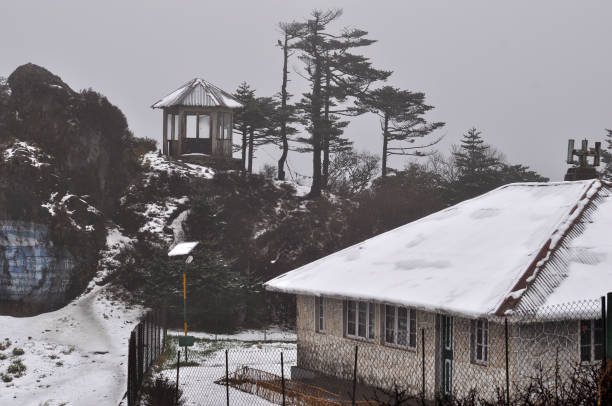
Altitude and Hotel Conditions Sandakphu
Spending the night at Sandakphu would put one at around 11,930 feet at a hotel. At this elevation, there is a decrease in oxygen level, temperatures decrease highly rather fast and there might be some minor altitude symptoms.
Altitude Effects You Need to Know
• Mild headaches
• Faster breathing
• modulated voice: hoarse voice or swollen voice
• Poor sleep quality
• Exhaustion in the early morning hours
These are normal temporary sensations that can be managed especially through proper pacing and hydration.
Temperature and Climate
The climate of Sandakphu is cold throughout the year even during summer.
• (Spring) cold morning, hot afternoon
• Autumn: Sunny weather, nights are freezing
• Winter: Very cold snow-white regions
Hotels and homestays stand in the freezing winds and low humid conditions, which implies that the inside places are not warmed up unless by simple heating.
Type and Level of Comfort in the Hotels
Sandakphu accommodations are basic, practical and meant to survive and not a luxury. It is better to know the spectrum of comfort of a hotel at Sandakphu in order to manage the expectations.
Table 1: Hotel Categories Sandakphu
| Category | Comfort Level | Heating | Water Supply | Electricity |
| Government Trekker Hut | Basic | No fixed heating | Limited | Solar-based |
| Private Lodge | Moderate–Basic | Firewood or small heaters | Bucket water | Limited solar |
| Homestay | Basic | Kitchen fire warmth | Bucket water | Weak or no network |
Government Trekker Huts
The most popular options are these.
• Wooden dorm-style rooms
• Shared toilets
• No guaranteed heating
• Very limited power supply
Private Lodges
The services of a privately run hotel at Sandakphu typically include:
• Twin-bedded rooms
• Slightly insulated walls
• Burning on a few occasions with firewood
• Paid charging of devices
Local Homestays
The homestays are not luxurious but comfortable by way of hospitality.
• Traditional meals
• Coziness around the kitchen spaces
• The interaction with local families
Availability of Food, Water and Energy
Food Options
The food is plain yet nutritious. Expect:
• Rice, lentils, vegetables
• Noodles, soup, momos
• Tea, porridge, bread
Water Supply
The water is subject to limited running, and normal is bucket water. Pure drinking water should be boiled or purified.
Electricity and Charging
Due to solar-based systems:
• Charging is paid and limited
• Power outage is frequent
• No luxury appliances can run
Access and Terrain Trails Around Hotels
The open ridges, harsh winds, and varying terrain are all around a hotel at Sandakphu.
Trail Surface Types
• Forest paths
• Rocky climbs
• Long ridge walks
• Frozen steps in winter
Accessibility
Accessibility to hotels is possible through:
• Multi-day trekking trail
• 4×4 Land Rover road (unbelievably bumpy, slow)
Survival Guide to Spend Time at Sandakphu
Clothing Essentials
• Thermal base layers
• Insulated jacket
• Waterproof outerwear
• Wool gloves and hat
• High-ankle trekking boots
Gear Essentials
• Sub-zero rated sleeping bag
• Headlamp including spare batteries
• Power bank
• Water purification tablets
• Moisturizer and lip balm
• Sunglasses and sunscreen
Survival Behaviors
• Drink water regularly
• Take time in getting used to the altitude
• Avoid alcohol
• Eat small but frequent meals
• Sleep early and stay warm
• Perform deep breathing exercises
Table 2: Breakdown of Survival Difficulty
| Factor | Difficulty Level | Notes |
| Temperature | High | Sub-zero nights |
| Oxygen Level | Medium | Mild altitude symptoms |
| Water Availability | Medium–High | Limited and cold |
| Comfort Level | Low–Moderate | Very basic amenities |
| Weather Predictability | Low | Sudden fog, strong winds |
What Is There to See in a Hotel at Sandakphu
Heating
Heating by the use of firewood has a limit. The heaters do not keep rooms warm.
Toilets
• Mostly shared
• Indian style or plain western style
• Water is bucket-based
Bedding
• Thick blankets
• Basic mattress
• No electric blankets
It is better to bring your own sleeping liner.
Network and Communication
• Nearly there no network in the summit
• Weak signals within certain homestays
Weather Effect of Comfort and Visibility
Perfect Visibility Months
• October
• November
• April
• Early May
Challenging Conditions
• Winter snow blocks trails
• Mud, leeches are caused by monsoon rain
• Peak views may be blurred by spring haze
Quotes
The comfort in the mountains does not imply comfort luxuries.
The speed can be no more forgiven in the altitude than in the patience.
Comfort in Sandakphu is of cover, but not rooms.
FAQs
Does it have a luxury hotel at Sandakphu?
No. All the accommodations are bare as the conditions are high and remote.
Does Sandakphu hotels have electricity?
Yes, extremely limited, most of them solar-powered.
Is heating provided?
Very small heating on firewood. Rooms remain cold.
Is it possible to keep beginners in the hotel at Sandakphu?
Yes, but they should be physically in shape and altitude conscious.
Are Sandakphu hotels food safe?
Yes. Food is plain, fresh, and cooked in the traditional manner.
Conclusion
The experience of staying in a hotel at Sandakphu is really phenomena based on altitude, primitive Himalayan ambiance as well as basic mountain hospitality. Sandakphu is the best place to get the most stunning panoramas and requires physical readiness, multiple-layered clothes, water regulation, and comfortable expectations. To American trekkers, the knowledge of altitude, heating constraints, food arrangement, and the type of accommodation can make a difficult stay a fruitful one. When treated with great caution and conscious efforts, the expedition turns out to be a secure, interesting, and powerfully motivational experience on the Eastern side of the Himalayas.