The sandakphu tour is one of the most invigorating Himalayan trips to individuals who desire to get absorbed in nature, wildlife, and scenic mountain views. Sandakphu is located in the Singalila Ridge, a border between India and Nepal and is known to have panoramic views of the four of the five tallest mountain ranges in the world, including the Everest, Lhotse, Makalu, and Kanchenjunga.
To those who are interested in the nature of the United States, this area offers a mixture of serene forestland, open plainlands, and wildlife that is hard to come by and sunrise vistas that seem like they belong to a dream. Through this guide, the author gives an objective description of all the natural aspects of the sandakphu tour such as the wildlife, the terrain, the changes in the landscape at different seasons, and the sunrise scenes so that traveling people can know exactly how to organize their trip.
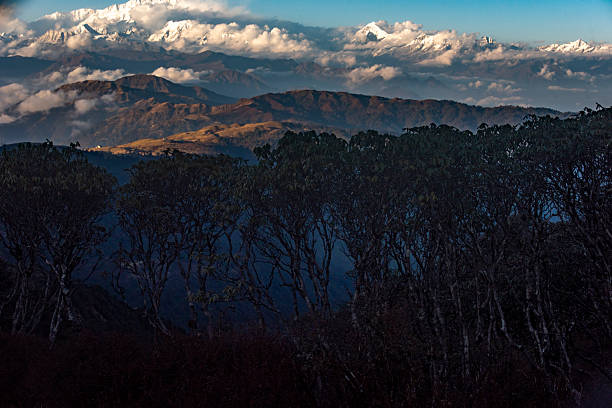
The Beauty of the Sandakphu Landscape that is Natural
A sandakphu tour is glorified by its changing landscapes which cross through dense forests to great ridges. A variety of natural surroundings are provided in every part of the trail, which gives the impression of travel and transition to the traveler.
Forest Zones
The initial sections of the pathway are covered with thick oak brush, bamboo and rhododendrum woodlands. These spaces produce cool and shady areas of damp soil with the sound of birds echoing in the trees.
Meadow and Grassland Sections
The trail leads to huge grasslands and meadows at the mid-altitude. These are the locations characterized by sweeping horizon views and picnic friendly locations.
High-Altitude Ridges
The highest point of the ridge is the high altitude area around Sandakphu and Phalut and the primary scenic point of interest. The path remains open to the sky, providing the views of the mountains without interruption as well as the dramatic winds.
Table 1: Landscape Zones of a Sandakphu Tour
| Landscape Zone | Elevation Range | Key Features |
| Forest Belt | 6,000–9,000 ft | Rhododendrons and bamboo and birds |
| Meadow Zone | 9,000–10,500 ft | Spacious meadowland, panoramic vistas |
| Ridge Line | 10,500–12,000 ft | Snow peaks, windy landscape, points of sunrise |
Wildlife Adventures on a Sandakphu Tour
A unique Himalayan wildlife is one of the privileges of sandakphu tour that is scarce and especially because Singalila National Park is a biodiversity hotspot in India.
Red Panda Sightings
Singalila national park is among the few locations where the rare red panda is still present. Guided forest walks around Gairibas and Kalipokhri would boost the possibilities though no one can be sure of seeing anything.
Birdwatcher’s Paradise
More than 300 species of birds can be observed, such as:
• Blood pheasants
• Fire-tailed sunbirds
• Himalayan monals
• Satyr tragopans
Mammals and Other Species
Travelers may also spot:
• Himalayan black bears
• Clouded leopards (rare)
• Barking deer
• Mountain goats
The majority of wildlife viewing occurs in the morning hours or in the late afternoons and therefore slow-paced transportation is an advantage.
Sunset and Sunrise of Sandakphu
Sunset and sunrise are the key attractions of a sandakphu tour and they provide memorable views of himalayan skyline.
Sunrise at Sandakphu Summit
Sandakphu provides 180 degree view of the tallest mountains of the world. In sunrise the mountains are of a golden-orange.
Phalut Sunrise Point
Further down the ridge, Phalut offers the best perspective of the Kanchenjunga range which is commonly referred to as the Sleeping Buddha.
Tumling Sunrise
Tumling is a quiet, gentle sunrise that is partially visible, and is more of a good spot where the tourists want to enjoy the view in peace.
The most suitable times to watch a sunrise
• October–November when it is crystal clear
• March–April to have colorful skies
• Clear mornings between 5:30–6:30 AM
Table 2: Optimal Views of the Sunrise
| Viewpoint | Elevation | Peak Visibility | Highlights |
| Sandakphu | 11,930 ft | Excellent | Everest, Lhotse, Makalu, Kanchenjunga |
| Phalut | 11,811 ft | Excellent | Closet Sleeping Buddha view |
| Tumling | 9,600 ft | Moderate–High | Gentle sunrise colors |
Landscape Changing by the Season
The sandakphu tour is unlike any other tour in that it exhibits various forms to nature lovers with every season.
Spring (March–May)
• Blossoming rhododendron woods
• Mild temperatures
• Clear mornings, hazy afternoons
Fall (October–November)
• Best mountain clarity
• Crisp, dry air
• Most advisedly used in photography
Winter (December–February)
• Snow-covered landscapes
• Very cold nights
• Scenic but challenging
Monsoon (June–September)
• Dense fog
• Slippery trails
• Rich vegetation yet unsafe to journey in
Sights of Flora on the Sandakphu Trail
One of the most attractive sandakphu tour attractions to nature lovers is the botanical variety of the tour.
Rhododendrons
In spring, the paths are lined with bright red, pink and white rhododendrons to give tunnel-like walks.
Alpine Flowers
Higher elevations include:
• Primulas
• Dwarf shrubs
• Edelweiss-like blooms
Forest Vegetation
The lower region includes:
• Oak
• Pine
• Juniper
• Bamboo
These areas favour a fertile ecological environment.
Photography Opportunities
Mountain Photography
Best in the sunrise and the sunset.
• Use a tripod for ridge winds
• Fall skies are clear and the sky is at its best
Wildlife Photography
• Telephoto lens recommended
• Morning hours enhance sightings
Landscape and Forest Photography
• Spring flowers have natural color schemes
• Forested misty shots improve the atmosphere
Important Advice to Nature Lovers
Travel Tips
• Start increases early in the wildlife and sunrise
• Avoid monsoon for safety
• Select leaders in wildlife tours
Clothing and Gear
• Layered warm clothing
• Waterproof boots and jacket
• Ridge trail trekking poles
• Binoculars and camera gear
Environmental Responsibility
• Follow national park rules
• Do not disturb wildlife
• Carry reusable bottles
• Maintain zero-waste travel
Table 3: Packing Staples
| Category | Items |
| Clothing | Fleece, windproof jacket, thermal |
| Gear | Trekking sticks, head torch, camera |
| Safety | First aid kit, purification of water |
| Wildlife Viewing | Binoculars, telephoto lens |
Inspirations to Nature Lovers
Nature unfolds its mysteries very slowly to those who walk slowly.
The Himalayas are lenient to the patient rather than fast.
The intersection point of the earth and the sky is a sunrise at Sandakphu.
FAQs
What is so popular about a sandakphu tour with nature enthusiasts?
Its wild animals, forest roads, and scenery of four highest mountains in the world.
What season do you prefer to see mountains?
The most acute visibility is observed in October–November.
Can the sandakphu tour be considered a beginner-friendly one?
Yes, it is rated as moderate and easily managed with a simple fitness.
Is there any wildlife during the tour?
Yes. It is possible to see red pandas, deer, birds of Himalayas and even bears.
Are they worth rising early to see the sunrise?
Yes. The view of the sunrise on Sandakphu and Phalut is among the largest views of the trek.
Conclusion
The sandakphu tour is an enriching experience to nature lovers who want to experience unspoilt forests, wildlife sightseeing, dramatic Himalayan sceneries and memorable moments of sunrise. The route is both serene and adventurous with various topographies, biodiversity, and the views of the best mountain in the world. By selecting the proper season, making arrangements and traveling in an environmentally friendly manner, the visitors in the United States can experience the full benefits of one of the most picturesque Himalayan expeditions.