The Eastern Himalayas offer some of the finest trekking routes in the world, known for their biodiversity, sharp ridgelines, cultural diversity, and rare views of 8,000-meter peaks. Among them, sandakphu trekking is one of the most accessible high-altitude Himalayan trails, offering unmatched panoramic views of the Everest and Kanchenjunga ranges. Yet, first-time trekkers from the United States often find it difficult to decide whether Sandakphu is the right choice compared to other well-known Eastern Himalayan routes such as Goechala, Dzongri, and Neora Valley.
This article provides an objective, clear comparison of sandakphu trekking with other Eastern Himalayan treks based on difficulty, altitude, views, trail conditions, weather behavior, accommodation, and suitability for beginners. The goal is to help trekkers understand which route aligns best with their fitness level, expectations, and trekking experience.
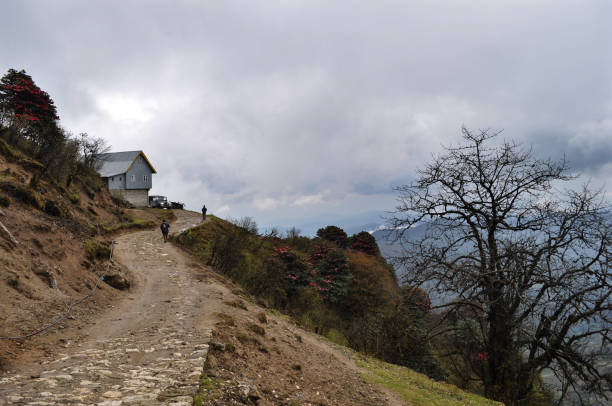
Overview of Eastern Himalaya Trekking Routes
Before comparing individual elements, it is important to understand the nature of the main routes.
Sandakphu Trekking
Known for its long ridgeline walks along the India-Nepal border, sandakphu trekking offers:
• A view of four of the world’s tallest mountains (Everest, Kanchenjunga, Lhotse, Makalu)
• Moderate difficulty
• Tea-house accommodation
• Stable weather windows in spring and fall
• Unique forest and open-ridge combination
Goechala Trek
One of the most challenging Eastern Himalayan treks, finishing at ~16,000 ft, known for close views of Kanchenjunga but not Everest.
Dzongri Trek
A shorter, high-altitude trek for trekkers who want alpine scenery in fewer days.
Neora Valley Trek
A biodiversity hotspot known for dense forest trails and wildlife, but limited big-mountain visibility.
Comparative Trek Summary
Table 1: Route Comparison Overview
| Trek Route | Max Altitude | Difficulty Level | Main Attraction | Duration |
| Sandakphu trekking | ~11,930 ft | Moderate | 4×8000m mountain views | 5–7 days |
| Goechala | ~16,000 ft | Hard | Close Kanchenjunga view | 8–10 days |
| Dzongri | ~13,000 ft | Moderate–Hard | High-altitude meadows | 4–6 days |
| Neora Valley | ~10,200 ft | Easy–Moderate | Forest biodiversity | 4–6 days |
Difficulty and Fitness Requirements
Sandakphu Trekking Difficulty
sandakphu trekking is often rated moderate because:
• The ascent is gradual
• Trails are well-defined
• Daily trekking hours are manageable (5–7 hours)
• Altitude sickness risk is lower than other high Himalayan routes
Comparison With Other Routes
• Goechala: Steep climbs, high altitude, long days; requires advanced fitness.
• Dzongri: Sharp altitude gain makes acclimatization tricky.
• Neora Valley: Forest trails require stamina but not altitude adaptation.
Summary of Fitness Needs
• Sandakphu trekking → Ideal for beginners with moderate fitness
• Goechala → Best for experienced trekkers
• Dzongri → Suitable with prior trekking experience
• Neora Valley → Good for nature lovers and beginners
Mountain Views and Visibility
Table 2: View Comparison Across Routes
| Trek | View of Everest | View of Kanchenjunga | View of Lhotse/Makalu | Landscape Type |
| Sandakphu trekking | Yes | Yes | Yes | Long ridgeline, open skies |
| Goechala | No | Close view | No | Alpine terrain |
| Dzongri | No | Yes | No | Alpine meadows |
| Neora Valley | No | Partial, distant | No | Dense forest |
Why Sandakphu Has the Best Panoramic Views
• The trail stays above the tree line for long stretches
• Weather patterns are more stable on the ridge
• Sunrise views are exceptionally clear in fall (Oct–Nov)
• Sandakphu is one of the only trekking routes in the Himalayas with a direct, uninterrupted view of four 8,000-meter peaks
Trail Conditions and Terrain Type
Sandakphu Trek Terrain
sandakphu trekking features:
• Forest trails at lower altitude
• Cobblestone sections near Chitrey
• Long open ridges exposed to wind
• Gradual ascents rather than technical climbs
Comparison With Other Routes
• Goechala → Rough terrain, moraine, snow patches
• Dzongri → Sharp ascents through steep forest trails
• Neora Valley → Dense vegetation, narrow muddy paths
Accommodation and Facilities
Tea-House Advantage of Sandakphu
Unlike Goechala and Dzongri, sandakphu trekking offers:
• Tea houses and homestays at every stop
• Hot meals
• Charging points (solar power in many villages)
• Shared but comfortable rooms
Other Routes
• Goechala → Full camping, no permanent accommodation
• Dzongri → Mixed huts and camping; facilities limited
• Neora Valley → Homestays or basic huts depending on route
Who Benefits Most?
• Beginners: Sandakphu
• Intermediate trekkers: Dzongri
• Adventure-focused trekkers: Goechala
• Wildlife enthusiasts: Neora Valley
Seasonal Weather Behavior
Table 3: Best Seasons Comparison
| Trek | Spring Season | Fall Season | Winter | Monsoon |
| Sandakphu trekking | Great views, flowers | Clear skies | Very cold | Not recommended |
| Goechala | Snow patches, beautiful | Dry, cold | Harsh | Not possible |
| Dzongri | Ideal | Ideal | Harsh | Not recommended |
| Neora Valley | Good | Very good | Mild | Wet, muddy |
Suitability for First-Time Trekkers
Why Sandakphu Trekking Is Beginner-Friendly
• Moderate altitude
• Tea-house comfort
• Clear, easy-to-navigate trail
• Wide emergency exit possibilities via jeeps
• Can be completed without camping gear
Routes Less Suitable for Beginners
• Goechala → Requires fitness + altitude experience
• Dzongri → Demands acclimatization discipline
• Neora Valley → Good for beginners but lacks big mountain views
Lists: Key Comparison Points
Sandakphu Trekking Strengths
• Panoramic views unmatched by any trek of similar difficulty
• Moderate ascent profile
• Comfortable accommodation
• Safe weather windows
• Accessible for first-time Himalayan trekkers
Where Other Routes Excel
• Goechala → Alpine drama, close Kanchenjunga view
• Dzongri → High-altitude meadow scenery
• Neora Valley → Rare flora and fauna experience
Quotes That Capture the Difference
“Sandakphu is the balcony seat of the Himalayas—easy enough for beginners, rewarding enough for experts.”
“Goechala challenges the body; Sandakphu opens the horizon.”
“The Eastern Himalayas reveal themselves differently—choose the window that suits your pace.”
FAQs
Is sandakphu trekking suitable for beginners?
Yes, it is one of the best Himalayan treks for beginners due to moderate altitude and tea-house accommodation.
Does Sandakphu offer better views than Goechala?
For panoramas—yes. For close-up mountain faces—Goechala is better.
What is the highest altitude in sandakphu trekking?
The maximum altitude is around 11,930 feet.
Which season is best for sandakphu trekking?
October–November and March–April.
Is camping required on the Sandakphu route?
No. Tea houses are available along the entire route.
Conclusion
Sandakphu trekking stands out among Eastern Himalayan trails as a rare blend of accessibility, comfort, safety, and world-class mountain views. While Goechala and Dzongri provide more challenging high-altitude experiences and Neora Valley offers deep forest exploration, Sandakphu remains the ideal trek for beginners, families, and those wanting a panoramic Himalayan experience without extreme altitude exposure. By understanding the differences across the main routes, trekkers from the United States can choose a trail that aligns perfectly with their fitness, interest, and desired adventure level.