Sandakphu trekking is the most supportive and picturesque high-altitude passes in the Eastern Himalayas range and it provides a view of the four highest mountains in the world, including the Everest, Lhotse, Makalu, and Kanchenjunga. Although the route is not extreme enough as to other Himalayan treks, the visitors of the United States should be aware that the trek does not deny organized physical training, adequate equipment, and safety knowledge.
The guide provides an understanding of the fitness requirements, gear necessities, safety precautions on the terrain, the fundamentals of acclimatization, and the useful tips that will help a person to enjoy a secure and satisfactory expedition. The mission is explicit, no hype facts that are specifically tailored to first-time Himalayan trekkers.
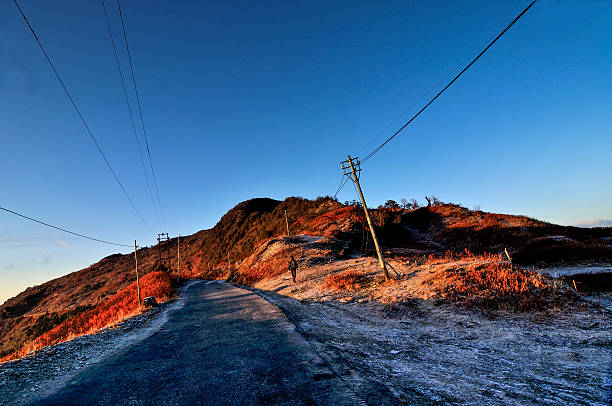
Conceptualization of the Fitness Requirements of Sandakphu Trekking
The duration of sandakphu trekking is 6–8 hours of walk per day, constant increase of the altitude, alternation of the landscape between forests and bare ridges. Although the altitude (maximum about 11,930 ft) is not extremely high, the overall workload of long days, irregularities of the surface, and cold winds make it significant to train.
Trekkers need to develop strength, endurance, flexibility and cardiovascular ability.
Core Fitness Needs
There are paces to walk, hiking up of steep mountains, and lengthy ridges, which demand full-body readiness. The following are the underlying requirements:
Table 1: Fitness Essentials of Trekkers
| Requirement | Why It Matters |
| Aerobic Endurance | Favours extended walking at elevation. |
| Leg Strength | Assistance on the steep climbs and rocky surfaces. |
| Lung Efficiency | Lessens dyspnea on thin air. |
| Core Stability | Enhances stability in rough conditions. |
| Joint Flexibility | Lessens long distance fatigue and strain. |
Cardiovascular Conditioning
Trekkers require good performance of the heart and lungs. The elevation increases breathing and heart rate above the normal.
Prescription Cardio Workout
• Brisk walking 40–60 minutes a day
• Climbing hills or stairs 3–4 times per week
• VO₂ enhancement by light jogging or bicycling
• Endurance training by interval training
Cardio training trains your body to be able to walk long distances without getting tired.
The Strength Training Needs
Powering up uphill and stabilizing you in rough areas are the roles of strength in assisting your legs and core respectively.
Strength exercise works
• Squats
• Lunges
• Step-ups
• Glute strengthening and hamstring strengthening
• Planks and side planks
• Medium-weight deadlifts
• Calf strengthening
The exercises enhance posture, lessen the weight in the knees, and allow the trekkers to carry backpacks without strain.
Flexibility and Mobility
Flexibility guarantees enhanced stride distance and decreases chances of pain.
Mobility Drills
• Stretches with the hamstring and calf
• Hip-opening exercises
• Ankle rotation
• Mobility of the upper-back and shoulders
Flexibility training decreases the tightness of the muscles during sandakphu trekking and enhances the efficiency of walking.
Pre-trek Training Schedule
It is a well organized program that is safe.
Table 2: 7 days Training Cycle
| Day | Training Focus |
| Monday | Cardio + Lower Body Strength |
| Tuesday | Mobility + Core |
| Wednesday | Long Walk (5–7 miles) |
| Thursday | Hill/Stair Training |
| Friday | Strength + Light Cardio |
| Saturday | Backpack Practice Hike |
| Sunday | Rest + Stretching |
Backpack Training of Realistic Trek Experience
Sandakphu trekking includes carrying a daypack. Shoulders, back, knees, and balance are influenced by the weight distribution.
Backpack Training Tips
• Begin with light weight, gradually become heavier
• Maintain upright posture
• Train walking uphill and downhill
• Tests can be made on the water systems and pockets
This training will prepare you of what to expect in the real trail and conserve fatigue.
Acclimatization Essentials of Sandakphu Trekking
The altitude is moderate but some cases of slight discomfort due to the altitude may be felt by the trekkers. The acclimatization minimizes the chances of headaches, dizziness, nausea, and fatigue.
Common Altitude Effects
• Faster breathing
• Reduced appetite
• Mild headache
• Fatigue
• Light sleep
These symptoms are not serious when they are mild, and can be dealt with through appropriate pacing.
Strategies of Acclimatization
Slow Ascent
Move at a slow pace and not to speed up particularly in climbing ridges.
Hydration
Consumption of water should be done gradually throughout the day. Hydration keeps the oxygen flowing and it assists the body to control the temperatures.
Balanced Nutrition
Consume fast energy in the form of carbohydrates. Avoid heavy, greasy foods.
Deep Breathing
Breathe deeply, and in deep breaths, on the uphill, to assist the lungs in fine air.
Table 3: Altitude Symptoms and Response needed
| Symptom | Required Action |
| Headache | Rest, hydrate, slow down |
| Nausea | Eat light foods, take breaks |
| Fatigue | Reduce pace, rest |
| Dizziness | Stop, sit, breathe deeply |
| Worsening symptoms | Descend immediately |
Sandakphu Trekking Essential Gear Checklist
Of environment the weather is quick – cold mornings and windy ridges, and sometimes the snow.
The safety, warmth and comfort are guaranteed by gear.
Clothing Checklist
• Base layers
• Insulated jacket
• Waterproof outer shell
• Trekking pants
• Warm gloves
• Wool hat
• High-ankle trekking boots
• Breathable socks
The reason why it is vital to layer is that the cold effect is magnified by wind exposure.
Gear Checklist
• Trekking poles
• Headlamp including spare batteries
• Sleeping bag for cold nights
• Water purification system
• Sunglasses and sunscreen
• Power bank
• Basic first-aid kit
Nutrition and Hydration Intervention
Nutrition Tips
High-carb food is a source of sustained energy.
• Bring in nuts and energy bars as well as snacks that are easy to eat
• Do not eat too much food when trekking
Hydration Tips
Drink before you feel thirsty.
• Incorporate the use of electrolytes on long days
• Restrict the amount of caffeine to avoid dehydration
The concept of hydration is among the least considered aspects of the sandakphu trekking safety.
Safety and Risk Management
Possible risks should be identified and controlled by trekkers.
Common Risks
• Fatigue
• Cold exposure
• Slippery trails
• Fog reducing visibility
Prevention Methods
• Walk slowly and take breaks
• Wear windproof clothing on ridge days
• Have balance in the form of trekking poles
• Be vigilant on down forest
• Do not drink in the trek
Quotes
However, strength is the driver, and discipline finishes it off.
Speed does not matter in the elevation.
The owl of the mountains is, And makes his protection in preparation.
FAQs
What is the fitness needed when doing sandakphu trekking?
A fair amount of cardiovascular endurance, strength in the legs and the capacity to walk long distances without any trouble.
Do you think sandakphu trekking should be acclimatized?
Yes. Although the altitude is not too high but, your body will take time to adapt.
Would beginners be able to do the trekking of sandakphu?
Yes, under training and on a slow basis.
What should be done to alleviate altitude suffering among trekkers?
Keep hydrated, walk slow up hills, consume small meals and be aware of the initial signs.
What is the maximum altitude of the sandakphu trekking?
Approximately 11,930 feet.
Conclusion
Sandakphu trekking is a fulfilling Himalayan adventure, which is not too hard, yet with the global mountain scenery. It is through proper training in fitness, choice of gear as well as all knowledge of the altitude that trekkers can enjoy the trail safely and confidently. Training of the body with regular cardio, strength, stretching, and backpack drills is necessary to be comfortable and safe. Equipment, the correct state of mind, and knowledge of the conditions of the trail allow the United States trekkers to enjoy a truly breathtaking and memorable journey at a high altitude along the Singalila Ridge.