The sandakphu trekking is another most scenic route along the Himalayan ridge, which is known to have a panoramic view of the mountain Everest, Kanchenjunga, Lhotse, and Makalu. The route follows the Singalila Ridge on the India Nepal border and receives visitors in the form of hikers worldwide including beginners in the United States.
Although it is categorized as a moderate-altitude trek, it involves knowledge on cost and permits, transportation and logistical arrangements. This informational guide is a detailed breakdown of all the costs, permit issues, accommodating information and the overall travel logistics to plan a successful and safe adventure to the Himalayas.
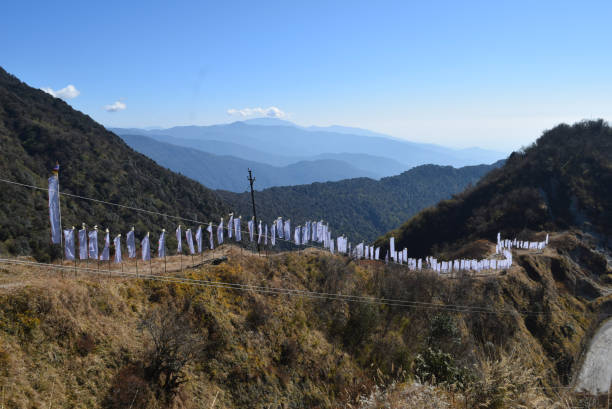
Overview of Sandakphu Trekking Requirement
The sandakphu trekking is within the Singalila national park which is a conservation forest. This implies that trekkers are to abide by the entry regulations, obtain compulsory permits, and complete identity checks on check posts. It is necessary to plan well since there are many variants of transport, accommodation, and trail conditions in the region.
Requirements of Sandakphu Trekking Permits
Table 1: Authorizations for Approval and the Purpose of Those Approvals
| Permit Type | Purpose | Required For |
| Entry Ticket to Singalila National Park | Admits to a guarded park area | All trekkers |
| Trekker Registration Card | Identity and route of records trekker | All trekkers |
| Vehicle Permit (Land Rover) | Required to transport jeeps to Sandakphu | Jeep passengers |
| Nepal Entry Check (Informal) | Boundary checking across the border | Trekkers entering into Nepal regions |
Where to Obtain Permits
• The issuance of permits is done at Manebhanjan entry checkpoint.
• The international trekkers are required to have a passport.
• Passport-size photos can be mandatory (digital ones can be accepted).
• The working hours of permit offices are limited to daytime.
• The tardy ones have to wait to be processed first thing the following morning.
• Trekkers should provide their route and place of night stay.
Sandakphu Trekking Costs
The sandakphu trekking price is determined by the season, the type of accommodation, the food options as well as whether one hires a guide or a porter. In general, the expedition is inexpensive in comparison with Himalayan expeditions on the altitude, yet the budget planning is required.
Table 2: Trekking Costs Estimates (USD)
| Category | Estimated Cost |
| Permits & Entry Fees | $20–$50 |
| Guide (recommended) | $18–$30 per day |
| Porter (optional) | $12–$22 per day |
| Homestays/Trekker Huts | $15–$35 per night |
| Food (entire trek) | $60–$150 |
| Transport to Manebhanjan | $20–$80 |
| Optional Jeep to Sandakphu | $80–$120 |
Compulsory Costs
• Singalila National park entrance fee.
• Trekker registration
• Accommodation
• Food
• Travel to the start positioning
Optional Costs
• Guide (highly advisable particularly to beginners)
• Porter
• Jeep ride to Sandakphu
• Rooms with heating (restricted number)
Independent trekkers typically spend in the range of 250 to 500 dollars on the basis of comfort level and transport options.
Logistics and Travel Planning
A comfortable experience is based on good logistics. The sandakphu trekking is a movement through India and Nepal land; therefore, the planning should involve transportation, accommodation, food availability, and weather.
How to Reach the Starting Point (Manebhanjan)
• Fly to the USA to Delhi or Kolcata.
• Use a domestic flight to Airport Bagdogra.
• Travel to Manebhanjan by means of shared jeep/hired taxi via Siliguri or Darjeeling.
Time taken to travel between Bagdogra and Manebhanjan: 4–6 hours basing on the road conditions.
Accommodation and Food Choices
Techniques of Stay along the Route
• Government trekker huts
• Private homestays
• Basic guesthouses
• Limited hot water supply
• Minimal heating facilities
Simple rooms and warm blankets are to be anticipated by the trekkers, though it is advisable to carry a sleeping bag during cold seasons.
Food Availability
• Rice, lentils, vegetables
• Noodles, momos, and omelets
• Tea, soup, porridge
Food is cheap, healthy, and is available at every tea house on the trail.
Day-to-Day Logistics of the Sandakphu Trail
Table 3: Trek Logistics Daily Overview
| Category | Details |
| Daily Trek Duration | 5–7 hours |
| Elevation Range | 6,300 ft – 11,930 ft |
| Trail Surface | Forest walks, pinnacled steps, ridges |
| Water Availability | Available in villages (must purify) |
| Mobile Network | Limited beyond Tumling |
Weather Conditions of the Sandakphu Trekking
Visibility, trail safety and comfort are much affected by weather.
Temperature
• Lower altitude: Mild to cool
• Elevated stakes: Frosty mornings and freezing nights
• Optimal temperatures: Fall and Spring
Wind Conditions
Phalut and Sandakphu strong winds.
• Intensive particularly during winter and late fall
Precipitation
• Spring: Light snow at the higher points
• Monsoon: Raining heavily, oily roads, poor visibility
• Fall: Dry and stable weather
• Winter: Snow-covered trails
Sandakphu Trekking: Best Seasons
Spring (March–May)
• Rhododendrons blooming
• Mild temperatures
• Occasional snow patches
Fall (September–November)
• Best mountain visibility
• Clear skies, low humidity
• Ideal for photography
Winter (December–February)
• Snow-covered routes
• Very cold
– Needs experience in winter trekking
Monsoon (June–August)
• Not recommended
• Landslide risk
• Zero mountain visibility
Problems with the Independent Trekkers
Navigation Issues
• Foggy forest sections
• Crossing the border can be confusing to newcomers
• Maps or GPS recommended
Health Concerns and Altitude
• Mild headaches
• Fatigue
• Low appetite
Even at moderate altitude, the acclimatization is still required.
Weight Management in Backpacks
• Heavy loads slow progress
• Comfort and safety can be enhanced by porters
Quotes
Weather is what dictates about the mountains you will go through and not the amount of miles you will go through.
Earth is guarded by licences; training by thee.
People enjoy great sceneries because they take the right planning.
FAQs
What are the permits needed to do the sandakphu trekking?
Singalila National park entry permit and a trekker registration card.
And should sandakphu trekking have a guide?
Not imperative, but greatly desired as regards to safety and navigation.
What will be the most suitable season to trek sandakphu?
Spring (March–May) and Fall (September–November).
What would the price of sandakphu trekking be like?
Typically, 250 to 500 dollars with or without accommodation and transportation.
Should sandakphu trekking be done by beginners?
Yes, it is user-friendly and simple fitness training.
Conclusion
The sandakphu trekking is one of the rarest ridge-line journeys in the Himalaya with a view of Everest, Kanchenjunga and other legendary heights that cannot be matched. When equipped with the right permits, proper budgeting, and properly organized logistics, the United States trekkers can have a safe, scenic and memorable trip. It is possible to know the weather patterns, the transport routes, and the accommodation facilities to make the adventure smooth along this legendary Himalayan trail.