It is advisable to acknowledge that roads are often bad and that many firms provide services that are offered on a car or a land-rover basis.
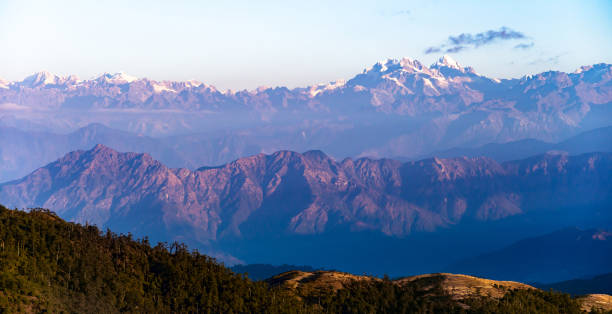
One of the strangest Himalayan activities to undertake is a car or antique Land Rover tour of Sandakphu especially when an American wants to see the High Mountains without the hassle of walking. The Sandakphu at 11,930 feet above sea level lies on the Singalila Ridge and is the only road in the world that can permit a direct road trip to four of the highest mountains on the planet – Everest, Kanchenjunga, Lhotse, and Makalu.
The ride is, however, not an easy hill run. The road is rugged with hard to access segments, a strict permit to drive on it, a lack of infrastructure, and highly volatile weather conditions. This guide provides a practical, simple and safety-oriented information regarding the driving conditions, permission required, best seasons and tips involved in completing a successful sandakphu tour.
Road Access Basics
The sandakphu tour road starts at Manebhanjan, a small Himalayan border town in West Bengal and passes through the Singalila National Park. It is also famous due to its steep gradients, rocky areas and narrow turns. Due to the rugged and uncertain terrain, the path is open to 4×4 vehicles – mostly the old British Land Rovers and the new specialty off-roaders.
The journey requires 3.5 to 5 hours, depending on the weather, road conditions and makes stops at such villages as Chitrey, Tumling, Gairibas and Kalipokhri.
Table 1: Sandakphu Road Route Overview
| Section | Approx. Elevation | Road Condition | Notes |
| Manebhanjan → Chitrey | 6,400–8,000 ft | Steep, stone-laid road | Very narrow bends |
| Chitrey → Tumling | 8,000–9,600 ft | Rough, broken track | Slope + loose stones |
| Tumling → Gairibas | 9,600–8,600 ft | Mixed paved/rocky | Forested, scenic |
| Gairibas → Kalipokhri | 8,600–10,400 ft | Rocky and muddy | Hardest section in monsoon |
| Kalipokhri → Sandakphu | 10,400–11,930 ft | Extreme off-road | Sharp switchbacks |
Sandakphu Permit Requirements
The entry controls are in place since the whole region is located within Singalila National Park that is a conserved ecological area that borders India and Nepal.
Mandatory Permits
• Visit Singalila National Park Visitors Permit
• Vehicle Permit on Land Rover or personal 4×4
• Camera permit (DSLR / video filming)
• Registration of trekkers/visitors at Manebhanjan checkpost
Foreign visitors must carry:
• Passport
• Indian e-Visa/regular visa
• Two passport size photographs (sometimes required)
Where Permits Are Issued
Manebhanjan forest checkpost – This is the closest place to the village, located on the road to Madhok.
Tumling (verification stage): Singalila National Park Gate.
• Land Rover Association Office (vehicle permit in case of hiring one)
Only during daytime, permit counters work. Delay in arrival necessitates waiting to the morning.
Table 2: Estimates of Permits and Fee
| Category | Approx. Cost (USD) |
| National Park Entry Permit | $5–$10 per person |
| Camera Permit | $3–$5 |
| Land Rover Vehicle Permit | $10–$15 |
| Complete Land Rover Rental (round trip) | $80–$120 |
| Homestay/Tea House Stay | $15–$35 per night |
Prices depend on season and availability.
Road Conditions Explained
The sandakphu tour road is famous due to its arduous nature. The route is not as in the case of usual mountain drives; stone-laid paths are mixed with mud tracks, scree and very steep slopes.
Lower Part – Manebhanjan to Chitrey
• Very steep stone-paved steps
• Narrow curves
• Requires powerful 4×4 control
Drivers tend to work with 1st gear over long distances.
Middle Part – Chitrey to Gairibas
• Forested roads
• Chance of fog in mornings
• Visibility reduces rapidly in winter and monsoon
• Washouts infrequently using heavy rain
Elevated Area – Kalipokhri to Sandakphu
The most difficult part of the sandakphu tour.
• Ruts, hairpin turns and loose rock
• High risk of slipping on snow or frost
• Excellent mountain scenery
Land Rovers were initially designed for battlefield use and this stretch shows why they are ideal for this route.
Weather and Visibility Expectations
Temperature Overview
• Lower (Chitrey/Tumling): cool and agreeable
• Mid altitude (Kalipokhri): cold
• Sandakphu peak: frosty mornings and evenings
Winter nighttime temperatures often fall below –5°C (23°F).
Wind Conditions
Powerful ridge winds make elevated roads slippery.
Wind chill is often stronger than actual air temperature.
Best Visibility Windows
• Sunrise: 5:30 AM – 6:30 AM
• Afternoon clarity: 2:00 PM – 3:30 PM
• Best seasons: October–November and April–May
These windows offer the best chance to view the Sleeping Buddha and Everest range.
Table 3: Optimal Seasons to Take Sandakphu Tour
| Season | Visibility | Road Safety | Notes |
| Spring (Mar–May) | Very Good | Moderate | Flowers + clear skies |
| Fall (Oct–Nov) | Excellent | High | Best for views |
| Winter (Dec–Jan) | High | Low | Snow may block roads |
| Monsoon (Jun–Sept) | Poor | Dangerous | Landslides + mud |
Between Land Rover and Car
Two main choices exist in a sandakphu tour:
• Hiring a classic 1950s–1980s Land Rover
• Driving a modern personal 4×4 (strict regulations apply)
Land Rover Advantages
• Designed for local rough terrain
• Professional, experienced drivers
• Handles extreme slopes
• Supports the local Land Rover Association
Private Car Limitations
• Only strong 4×4 SUVs (Bolero, Thar, Gurkha) are allowed
• Must hire a certified local driver
• High risk of mechanical damage
• No repair shops beyond Manebhanjan
Self-driving is not permitted for safety.
Accommodation Options
Sandakphu tourist trail includes small Himalayan villages with basic hospitality.
Types of Stay
Tea Houses
• Basic rooms
• Shared bathrooms
• Limited heating
Trekker Huts (Government)
• Dormitory-style
• Affordable
• Very simple but clean
Private Homestays
• Hot meals
• Cozy hospitality
• Limited electricity
Critical Advice on a Safe Sandakphu Tour
Vehicle and Driving Tips
• Avoid non-4×4 vehicles
• Carry winter chains in December–January
• Avoid monsoon at all costs
• Use low gear on steep sections
Packing Tips
• Heavy jacket + gloves
• Sunglasses
• Snacks and water
• Backup power bank
• Cash (no ATMs above Manebhanjan)
Safety Tips
• Expect sudden fog
• Stay inside vehicle during sharp turns
• Wear seatbelts always
• Carry extra warm layers for summit visits
Quotes for Inspiration
The mountains are as rewarding to slowness as to swiftness.
The coldest night may be worth the Sandakphu sunrise.
Trust the driver, trust the Land Rover on this road.
FAQs
Is the sandakphu tour beginner friendly?
Yes. It is an easy undertaking since it is done by vehicle and therefore the beginners can undertake it as long as they prepare against cold weather and rough roads.
When should the sandakphu tour be the best?
The most favorable and the safest periods of visibility and driving conditions are in October–November and April–May.
Are permits mandatory?
Yes. At Manebhanjan, Singalila National Park permits are necessary and vehicle permits are necessary.
Is it possible to drive to Sandakphu myself?
It has to be a good 4×4 which is driven by a qualified native driver. Self-driving is not allowed.
What is the duration of Sandakphu drive?
The climb can be completed in 3.5–5 hours based on the states of the roads.
Conclusion
One of the most distinctive Himalayan experiences is a sandakphu tour by vehicle or Land Rover – to get mountain views of world quality, without the physical stress of walking. The trip though requires planning, knowledge of road issues and strict adherence to permit laws.
With the appropriate season, quality drivers, correct packing, as well as respecting the fragile mountain surroundings, the United States travelers can experience a safe, exhilarating, and memorable drive into one of the best natural balconies in the world.