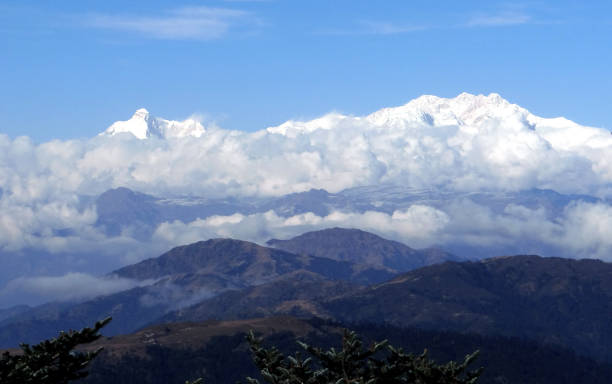
Sandakphu walking is a very fulfilling adventure in the Himalayas that trekkerers may experience to enjoy expansive mountainous surroundings, moderate trail and varied terrain. The trail lies on the Singalila Ridge on the border between India and Nepal granting clear visibility to the Everest, Kanchenjunga, Lhotse, and Makalu- the highest mountain in the world. To the trekkers of the United States, it is important to know the weather, seasonal patterns and trail conditions, in order to plan a successful and safe trip.
This informational guide will discuss the ideal months when the sandakphu trekking should be undertaken, how weather influences the visibility and safety, the type of terrain to expect on a month-to-month basis, and other practicalities required to choose the right time of the year to undertake the trek.
Optimal Times of the Sandakphu Trekking
Seasons vary and affect majorly the experience of sandakphu trekking. In the sunny autumn days and snowy winter streets, when you decide on the time of the year, your decision will impact the trail safety, visibility, and comfort.
Table 1: Season Performance Sandakphu Trekking
| Season | Visibility | Trail Conditions | Temperature | Safety Level |
| Spring (Mar–May) | Excellent | Stable, blooming forests | Mild–Cold | High |
| Fall (Oct–Nov) | Excellent | Dry, clear trails | Cold nights | High |
| Winter (Dec–Feb) | Moderate–High | Snow-covered, icy | Very cold | Moderate |
| Monsoon (Jun–Sept) | Poor | Muddy, landslides | Warm & humid | Low |
Spring Season (March–May)
The spring is among the seasons when sandakphu trekking is best.
Weather Characteristics
• chilly mornings, warm afternoons
• Visibility during the morning in the morning
• Occasional late-season haze
Trail Conditions
• Dry lower trails
• Snow drifts around Sandakphu and Phalut
• Patches of wood with rhododendrons in blossom
Advantages
• Good Kanchenjunga and Everest sightseeing
• Favorable day time temperatures
• Colorful forest landscapes
Challenges
• Cold nights at higher camps
• The snow may come early in the spring
Fall Season (October–November)
Generally considered as the most ideal season to trek sandakphu trekking.
Weather Characteristics
• Crisp, dry air
• Extremely clear skies
• Non-turbulent atmospheric conditions
Trail Conditions
• Dry, firm trails
• Almost zero rainfall
• Excellent ridge visibility
Advantages
• Expansive sceneries of the Sleeping Buddha formation
• Most beautiful scenic views of sunrise and sunset
• Ideal for photography
Challenges
• Night-time temperatures are usually below the freezing point
• Powerful gusts of bare ridges
Table 2: Visibility and Trail Condition Breakdown Monthly
| Month | Visibility | Temperature | Trail Difficulty | Notes |
| March | High | Cool | Moderate | Snow melting at high camps |
| April | Very High | Mild | Easy–Moderate | Peak blooming season |
| May | Moderate | Warm | Moderate | Afternoon haze |
| October | Excellent | Cool | Easy–Moderate | Sharpest visibility |
| November | Excellent | Cold nights | Moderate | First snow after mid-month |
| December | Very High | Very cold | Moderate–Hard | Snow in upper sections |
Winter (December–February)
Sandakphu trekking is not easy during winter.
Weather Characteristics
• Very cold days and nights
• High wind chill
• Occasional heavy snowfall
Trail Conditions
• Snow-covered paths
• Frozen water sources
• Dangerous to amateur mountain climbers
Suitability
Only experienced trekkers who have experience in the snow are advised to take winter.
Monsoon (June–September)
It is not the season that is recommended the least.
Risks
• Heavy rainfall
• Forested areas: landslides
• Slipsome slap slop walks
• Leeches in the lower forests
• A cloudy sky reducing the visibility
Experience Impact
Morning mist normally falls on the mountains, walking tracks are hazardous, and lodging is damp.
Climatic Condition that Influences Sandakphu Trekking
Temperature
There is a variation of temperature with altitude:
• Lower sections: Mild
• Mid-elevations: Cool–Cold
• Sandakphu and Phalut: Nights of freezing
Quick falls take place in the evening.
Wind
The Singalila Ridge is not covered and strong winds are frequent, in particular, during fall and winter.
Precipitation
• Spring: Light snow possible
• Monsoon: Heavy rain
• Fall: Clear, dry
• Winter: Snow & frost
Visibility Patterns
Optimal visibility is achieved in:
• Sunrise (5:30–6:30 AM)
• Late autumn mornings
• Clear spring mornings
Table 3: Peak Views by Season
| Season | Everest Visibility | Kanchenjunga Visibility | Overall Score |
| Spring | Excellent | Excellent | Very High |
| Fall | Outstanding | Outstanding | Best |
| Winter | Excellent | Excellent | High but cold |
| Monsoon | Poor | Poor | Very Low |
Well-known opinions regarding Sandakphu Trekking Route
Chitrey
• First major open viewpoint
• Initial impressions of the foothills of the Himalayas
Tumling
• The Sleeping Buddha is one of the earliest places to visit
• Ideal sunrise location
Kalipokhri
• Black-water lake
• Unhazy mountain looks at bright mornings
Sandakphu Summit (11,930 ft)
The sandakphu trekking sightseeing:
• Everest–Lhotse–Makalu trio
• Long Kanchenjunga glacier
• Kabru peaks
Phalut (Optional Extension)
• Intimacy with Kanchenjunga massif
• Panorama of ridge at large and continuous
Lists: What to consider Before Selecting a Trek Date
Weather-Related Considerations
• Temperature variations
• Fog or haze
• Snow or rain probability
Trail-Related Factors
• Mud levels
• Snow on ridge paths
• Forest trail moisture
Safety Factors
• Wind exposure
• Frostbite chances
• Risk of landslides (monsoon)
Quotes
The true treasure of Himalayas is clear skies.
The desired mountain scenery is won by means of selecting the correct season, rather than the mountain ascent that is most challenging.
The Himalayas talk at the time of sunrise at Sandakphu.
FAQs
Which is the ideal season to do the sandakphu trekking?
The best visibility and weather are in Spring (March–May) and Fall (October–November).
Is the sandakphu trekking beginner friendly?
Yes. It is a moderate walk, which is appropriate when one has basic fitness.
Is it possible to walk Sandakphu during winter?
Yes, but on condition of being ready to snow, to freeze and without predicting the weather.
Can it be seen as a good season in monsoon?
No. trails are slippery and mountains do not show their heads in the clouds.
Will Everest be visible in the process of sandakphu trekking?
Yes. Everest, Lhotse, Makalu and Kanchenjunga can be well seen on clear weather.
Conclusion
The sandakphu trekking is also one of the most picturesque Himalayan adventures with unmatched visions of the highest mountains of the world. The time of year to go is not only safe, but clear sky and spectacular views are guaranteed by picking the right season particularly spring or fall. Learning the weather pattern and variations in the month and the conditions of the trail will enable the trekkers of the United States to plan well and have the trek in a way that they can enjoy it to the fullest. This ridge-line journey makes it an unforgettable Himalayan experience planned and time-wise.