The sandakphu trek is a picturesque Himalayan trail along the Singalila Ridge, which has a rarity of displaying four of the earthly highest peaks in a solitary shot. Americans who visit the country as trekkers usually do not pay due attention to the permit policies, transport issues, and the pricing models of trekking through a reserved border area between India and Nepal. This informational guide is used to outline everything a trekker should know concerning all the permit regulations, anticipated expenses, logistics of coming to the country, entry requirements, and planning when a person is undertaking a trek either independently or guided. This is aimed at providing clear and precise information to equip trekkers with a safe and well-organized adventure.
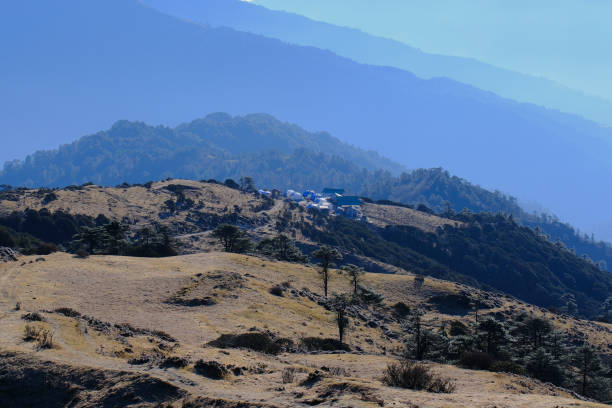
Guidelines on Sandakphu Trek
Sandakphu trek is located within Singalila national park which is a preserved ecological site. Due to the fact that this area borders India and Nepal, specific authorization and identification is required. The possibility of being denied entry at the Manebhanjan checkpoint due to failure to carry the right documentation.
Required Permits
Every trekker should ensure that he or she obtains necessary entry permits to the national park area. They are used to provide control over trekking tourism, conserve forest ecosystem, and secure the region of sensitive border.
Table 1: Permits and their purpose required
| Permit Type | Purpose | Required For |
| Entry permit to Singalila National Park | Admission to the area of the national park | All trekkers |
| Trekker Registration Card | Registry trekker path and movement | All trekkers |
| Land Rovers: Vehicle Permit | Necessary to chartered jeep drivers going to Sandakphu | Jeep travelers |
| Nepal Entry Check (informal) | Checking of the border during the ridge walk | Trekkers leaving Nepal side |
Where and How to Get Permits
- The issue of permits is done at the Manebhanjan, which is the official point of entry.
Trekkers are to bring a passport to check their identities.
• Photos are sometimes necessary although in most cases, digital ones will be accepted.
• There are permit offices which are only open during the day.
• Overnight stops need to be registered by the foreign trekkers prior to the trek.
Late arrival in the evening implies that one will wait until the following morning to acquire permits.
Cost Structure of the Sandakphu Trek
The overall price of sandakphu trek depends on the season and the type and nature of accommodation, the need of a guide and the mode of transport. Although it is less expensive than treks in Himalaya high altitude, the prices may vary depending on the demand.
Estimated Trekking Costs
Table 2: Overview of Cost Breakdown
| Category | Estimated Cost (USD) |
| Permits & Entry Fees | $20–$50 |
| Guide (recommended) | $18–$30 per day |
| Porter (optional) | $12–$22 per day |
| Homestays / Trekker Huts | $15–$35 per night |
| Food (full trek) | $60–$150 |
| Transport (Darjeeling / Siliguri – Manebhanjan) | $20–$80 |
| Jeep to Sandakphu (optional) | $80–$120 |
Prices vary with the season, availability and level of comfort in the accommodation.
Compulsory vs. Bilateral Costs
Mandatory Costs
In addition to the entrance fees, there are also park permits that allow entry to the park.
• Trekker Registration
• Accommodation
• Food
Transportation to the trailhead
<|human|>Transport to the trailhead
Optional but Helpful Costs
• Guide (strongly recommended)
• Porter
• Jeep ride to Sandakphu
• Modified lodge rooms which are heated
An independent trekker would spend a reasonable amount of between 250 and 500 dollars.
A Guide to Sandakphu Trek Travel
Logistics play a top role in an enjoyable experience. The route switches between India and Nepal and the places of accommodation are predetermined. It is imperative to plan traveling schedules, rest station and weather.
The Way to Get to the Starting Point
Manebhanjan is the official start of the sandakphu trek.
United States Travel Route
• Travel between the USA and the place of departure in the city of Delhi or Kolcata.
• Domestic flight to Bagdogra Airport.
• Take a common Jeep or taxi to Manebhanjan either through Siliguri or Darjeeling.
Time taken to drive between Bagdogra and Manebhanjan: it takes 4–6 hours at road and weather conditions.
Accommodation Options
Accommodation at the sandakphu trek is easy and convenient.
Types of Stay
• Government trekker huts
• Private homestays
Basic guesthouses here at strategic locations such as Chitrey, Tumling, Gairibas, Kalipokhri and Sandakphu.
• Low supplies of hot water.
Rooms are clean but minimal. Blankets will be made warm, although sleeping bags will provide insulation.
Table 3: Day-to-Day Logistics overview
| Category | Details |
| Daily Trek Duration | 5–7 hours |
| Elevation Range | 6,300 ft – 11,930 ft |
| Trail Surface | Dressed stone walks, forest walks, Ridge walk |
| Water Availability | Available at villages |
| Mobile Network | Limited and inconsistent |
Weather Considerations
Weather has a direct impact on conditions of the trail, visibility and safety.
Temperature
• Lower regions: Mild to cool
• The increase in altitude: Frosty mornings and freezing nights.
The fall and spring have the even temperatures.
Wind
Powerful winds blow across the Ridge sections especially on Sandakphu and Phalut.
Precipitation
• Spring: Light snow high
• Monsoon: Puritan rain and clouds
• Fall: Clear skies
• Winter: Snow-covered trails
The Sandakphu Trek has the best seasons
The choice of season defines the visibility of the mountain, the safety of the trail, and the entertainment in general.
Spring (March–May)
• Rhododendron forests bloom
• Mild temperatures
• Occasional snow patches
Fall (September–November)
• Best mountain visibility
• Dry and stable trails
• Peak season for photography
Winter (December–February)
• Heavy snow
• Dangerous to the novice mountaineers
Monsoon (June–August)
• Not recommended
• Landslides and muddy trails
• Zero visibility
Difficulties of the Independent Trekkers
Navigation
The route may be covered with fog and forest.
Maps or GPS are essential.
Health and Altitude
Symptoms may include:
• Headache
• Fatigue
• Breathlessness
The altitude is not too high, as it is in high climbs of the Himalayas, but acclimatization remains significant.
Weight and Packing
The heavy load in the form of a backpack can make the course slow on the uphill passages.
Quotes
The weather is what determines the mountains you cover and not the number of miles covered.
“Licenses guard the earth: training guardeth thee.”
Great sceneries are enjoyed by people who make the right planning.
FAQs
What are the permits required into sandakphu trek?
Singalila National Park requires entry permit and registration of trekkers.
Is a guide mandatory?
One that is not obligatory, but highly suggested to ensure safety and navigation.
When would be the optimum moment to do the sandakphu trek?
Spring (March–May) and fall (September–November).
How much does the trek cost?
Usually between 250 and 500 dollars based on the accommodation and transport.
Is it possible that novice climbers can do the sandakphu trek?
Yes. It is appropriate among beginners who have basic fitness.
Conclusion
The sandakphu trek involves having the right permits, proper budgeting and excellent logistical planning. The United States trekkers can have one of the most fruitful ridge walks in the Himalayas, with a panoramic view that is scarcely available, with the right preparation. The correct season, knowledge of the travelling path, and adherence to the formalities is the sure way of making a Himalayan adventure secure, enjoyable, and memorable.