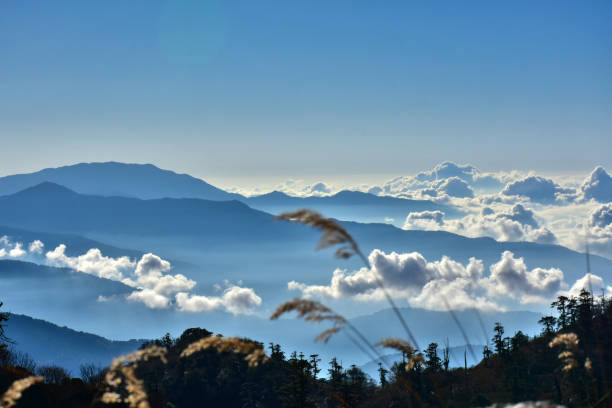
Sandakphu trek is one of the most exciting Himalayan trails in the border of India and Nepal whose views are panoramic views in the whole world of the highest mountains such as everest, Lhotse, Makalu and Kanchen junga. The American trekkers tend to underrate the impact of altitude, number of days spent walking long distances, and changing terrain on the general output in this trail. With this informational guide, you find out the level of difficulty that you will be undergoing, the kind of terrain that you will be going through and what you should be prepared before you get into the sandakphu trek safely and with confidence. The message is simple, pure information, meant to be presented to the first-time Himalayan trekkers.
Trek Difficulty Overview
Sandakphu trek can be rated as moderate, although it may prove to be hectic to trekkers who are not used to mountaineer climbing, lengthy walking hours and the weather changing in the mountain. The elevation gain is slow, beginning at an altitude of about 6,000 feet until about 11,930 feet at Sandakphu, this will not cause extreme altitude problems, yet physical exhaustion can be considerable.
The time spent every day trekking is between 5 and 8 hours, depending on the speed and the condition of the trail. The most critical is the increase in height and constant slopes which might overstretch the legs, particularly in the final ascending to Sandakphu. Training of cardio, strength, and endurance is significant in the achievement of the successful completion of the trek.
Table 1: Difficulty Breakdown
| Difficulty Factor | Description |
| Total Trek Distance | 45–65 miles depending on route |
| Maximum Altitude | ~11,930 ft |
| Daily Trek Duration | 5–8 hours |
| Difficulty Rating | Moderate–Challenging |
Terrain Type
The geography in the sandakphu trek is heterogeneous and it switches drastically to forests, as well as to open ridges. Trekkers go through rhododendron forests, cobblestone, pine belts, rocky steps and wide open trails that overlook deep valleys. The path has a combination of steep and long gradual ascents.
Forest Terrain
The lower stages consist of oak and pine and rhododendron thick forests. Roads are muddy and wet and hikers might encounter wild animals and hazy environment. These are comfortable areas only that may become slippery in rain.
Ridge and Open Trail Terrain
The trekkers get to see lush forests transforming into lengthy ridges walks as they climb higher and have expansive Himalayan views. These open areas may be windy and this complicates the matter further.
Cobblestone and Rocky Stretches
The trail has some stretches of cobblestone roads (particularly in areas around Gairibas and Sandakphu), which were constructed during the colonial period. They result into fatigue of the feet when they are not put in proper trekking shoes.
Road Sections
Some of the sandakphu trek trail goes through rugged jeep tracks of local transport. All these parts are easier followed but more difficult on the knees.
Table 2: Terrain Section Discussion
| Section | Terrain Type | Difficulty |
| Manebhanjan → Chitre | Steep forest & cobblestones | Hard |
| Chitre → Tumling | Ridge walk, gentle inclines | Moderate |
| Tumling → Gairibas | Forest trail | Easy–Moderate |
| Gairibas → Kalipokhri | Gradual climb | Moderate |
| Kalipokhri → Sandakphu | Steep ascent, rocky | Challenging |
Weather Conditions
The weather is one of the factors that greatly influence the trekking experience. Diseases depend on the time of the year and altitude.
Temperature
• Low Hights: cool mornings and warm afternoons
• And higher camps, cold day and nights of freezing
The temperatures fall rapidly after the falls of the sun and windchill correspondingly rises in the regions around Sandakphu.
Wind
The areas of ridges are especially windy, in winter and in late autumn. Trekkers ought to have windproof garments.
Precipitation
Monsoon and spring seasons cause rains hence forest areas become muddy. In winter there comes snow, farther than Kalipokhri.
Seasonal Suitability
The appropriate time to visit the sandakphu trek is very crucial.
Spring (March–May)
• Clear skies
• Rhododendrons in bloom
• Prosperous daytime temperatures
Autumn (October–November)
• Best mountain visibility
• Dry and stable trails
• Clean air and good to take pictures
Winter (December–January)
• Snow-covered forests
• Beautiful landscapes
• Requires cold-weather gear
Monsoon (June–September)
Threatened by rains, landslides and leeches.
The reason is that it is not a good trekking place.
Fitness Requirements
The sandakphu trek is a moderate trek that involves stamina and leg power.
What Your Fitness Level Should Have
• Capacity to ambulate 6–8 miles easily
• Good leg muscles to ascend steep climbs
• Long day cardiovascular stamina
• Stability and balance on rocky roads
Essential Preparation
Making the trek easier, easier and more pleasing takes preparation.
Physical Training
• Long-distance walking 3–4x per week
• Stair climbing- incline strength
• Squats, Lunges and core work
How to Practice with Your Backpack
Bear 10–12 weight in training as weight in a trek.
Mental Preparation
The journey is a lengthy one, and exhaustion will accumulate towards days. Strong mind is prerequisite to the sharp ascents and unfamiliar weather conditions.
Table 3: Body Checklist Preparation
| Preparation Type | Focus |
| Cardio | Walking, jogging, cycling |
| Strength | Legs, core, shoulders |
| Flexibility | Stretching for hips & calves |
| Endurance | Long hikes with backpack |
Essential Gear Checklist
Clothing
• Thermal layers
• Light fleece
• Waterproof jacket
• Trekking pants
• Warm gloves and hat
• High-ankle trekking shoes
Gear
• Trekking poles
• Headlamp that has additional batteries
• Water purification tablets
• Sunglasses and sunscreen
• Blister preventing layered socks
Nutrition and Hydration
Nutrition Tips
• Have meals rich in carbs as an energy source
• Snack trail (carry trail snacks) (nuts, energy bars)
• Do not eat too heavy meals on the trekking days
Hydration Tips
• Drink on a regular basis during the day
• Crush the electrolytes to achieve balance
• Avoid excessive caffeine
Safety and Risk Management
Common Risks
• Fatigue
• Cold exposure
• Slippery trails
• Increased invisibility because of fog
Prevention Methods
• Walk slowly on steep climbs
• Wear windproof layers
• Poles Balance Use trekking poles
• Take breaks when needed
Quotes
The strength is not considered more than mountains prepare.
It is the right gear that makes a difficult hike a satisfying one.
The leisurely paces go farther on the lofty ways.
FAQs
Can sandakphu trek be done by novices?
Yes, it is a moderate hike, which can be achieved by a beginner with due preparation.
What is the peak point of the sandakphu trail?
It has a peak of about 11,930 feet.
What is the number of days the trek will last?
The duration is approximately 5–7 days, which is also based on the route and pace.
When is the ideal time of the sandakphu trek?
Spring (March–May) and autumn (October–November).
Do trekkers need guides?
Guides are not compulsory but strongly suggested to have easier navigation.
Conclusion
The sandakphu trek is one of the most rewarded Himalayan trek by the trekker who is in need of an easily reachable elevation, different topography, and views of the magnificent mountain. The difficulty of the trek, its diverse nature and preparation needed make the journey safe and enjoyable. Through consistent training, appropriate equipment and time of year, United States trekkers will have a secure, spectacular and unforgettable experience throughout the exclusive India Nepal border area.