Make the goechala trek a mountainous path in the Himalayas within Sikkim that must be carefully planned, budgeted and requirements must be known properly in terms of permits and logistics. Most individual climbers with the United States do not realize the rigorous rules, transportation options, and price fluctuations that come with trekking in a secured Himalayan area. This is a guide that describes the permit system, finances planning, route logistics, accommodation expectations and realistic needs of self managed trekking. It is hoped to render factual information that is clear enough to aid in safe and efficient planning.
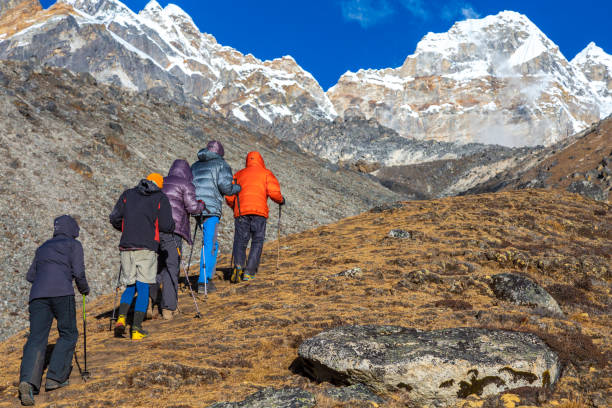
Knowledge of Permit Requirement
Before visiting the trekking areas of the goechala, independent trekkers will need several permits to visit the controlled areas and forests. Such permits are obligatory to local and foreign trekkers. Lack of getting correct documentation leads to rejection at Yuksom.
Table 1: Permits that are required and the purpose of the permit
| Permit | Purpose | Required For |
| Restricted Area Permit (RAP) | Managers authorize the entry into secured areas | Foreign nationals |
| Protected Area Permit (PAP) | Regulates access to the ecological areas | Foreign nationals |
| Sikkim Trekking Permit | Admits trekking along forest trails | All trekkers |
| Forest Checkpost Clearance | Checks the identity and itinerary | All trekkers |
Where to Obtain Permits
• The issuance of permits is performed at Yuksom entrance point
• Foreign trekkers are required to carry passport, visa and photographs
• Local hikers have to present government issued ID
• Self-governing trekkers are required to announce their path and present minimal trekking information
During the daytime only, permit offices work. Visitors coming in the evening will be forced to wait till the following morning.
Cost Structure
Knowledge of costs is instrumental in the stand-alone planning. Prices are seasonal, depend on equipment used, and the local drivers. The goechala trek cannot be considered to be a low-budget route.
Table 2: Cost Breakdown Estimate
| Category | Approx. Cost (USD) |
| Permits & Entry Fees | $40–$100 |
| Transport to Yuksom | $50–$150 depending on route |
| Guide (not compulsory, yet suggested) | $20–$35 per day |
| Porter (optional) | $18–$30 per day |
| Gear Rental | $50–$120 |
| Food & Camping Expenses | $120–$250 for full trek |
The prices are approximations and change depending on the season and demand.
Compulsory vs. Non-compulsory Costs
Mandatory:
• Permits
• Transport to Yuksom
• Food and accommodation
• Equipment of the freezing temperature
Optional but beneficial:
• Guide
• Porter
• Trekking pole rental
• Insulated boots of high quality (assuming they are not owned)
Single trekkers need to set modest budgets. Weather and altitude allowances can be used to lengthen the itinerary.
Independent Trekker Logistics
The success of treks is more dependent on logistics than physical strength. The goechala trek should be properly planned in terms of accommodation, day to day transportation, food, water, and communication.
How to Reach Yuksom
• Ad fly Delhi to Bagdogra Airport (India)
• Jorethang or Geyzing in a common jeep or a personal taxi
• Continue to Yuksom by road
The regular travel time takes the form of 6 to 8 hours based on weather and road conditions.
Accommodation Options
Yuksom has:
• Guesthouses
• Basic lodges
• Small homestays
Camping is the order of the day on the trek. Campsites include:
• Tshoka
• Dzongri
• Thansing
• Lamuney
Facilities are minimal. Trekkers are required to have basic necessities.
Arrangements: Food and Water
There are no food shops on the goechala trek, simple food which consists primarily of rice, lentils, vegetables and noodles. Independent trekkers need to bring:
• High-calorie snacks
• Instant meals
• Cleaning pills or a good filter of water
Never drink untreated water.
Table 3: Logistics Snapshot per Day
| Category | Details |
| Daily Trek Duration | 6–9 hours |
| Campsites | Tshoka, Dzongri, Thansing, Lamuney |
| Water Sources | Streams; cleanliness must be made |
| Terrain Type | Forest, rocks steps, alpine meadows, moraine |
Weather Considerations
No other factor has a greater impact on logistics than weather. There are sudden changes in terms of visibility and mobility, as well as safety.
Temperature
Lower sections remain mild. On top levels may sink into a freeze or even lower down at night.
Wind
There are wind gusts in the exposed places in the environs of Dzongri and Lamuney.
Precipitation
There is heavy rainfall during monsoon (June–September).
Snow falls would occur on high altitudes in the spring and fall.
The Himalayas cannot be relied upon on weather predictions to the fullest.
The Independent Trekker Challenges
No matter with independent trekkers, they encounter special challenges:
Navigation Difficulty
The trail can be lost in fog and snow, although the trail is marked. Maps and GPS are essential.
Altitude Effects
Symptoms may include:
• Headache
• Fatigue
• Nausea
• Dizziness
The only answer to a deteriorating altitude sickness is descent.
Weight Management
The heaviness of the backpacks increases with the altitude.
Training Requirements
The training must be realistic in terms of trek requirements in the real world.
• Steep incline walking
• Long-distance hikes
• Leg and core strengthening
• Cardiovascular endurance
• Limited weight on the back pack
Independent trekkers have to train months prior to arrival.
Quotes for Perspective
A Himalayan trek is a reward of preparation, rather than courage.
The permit system is to preserve the mountains; keep it good.
The altitude is determined too late by the logistics.
Environmental Responsibility
The goechala trek is done in ecologically sensitive regions. Trekkers must:
• Pack out all trash
• Avoid disturbing wildlife
• Stay within marked trails
• Use eco-friendly supplies
Sikkim has a strict conservation regulation.
FAQs
What are the necessary permits of goechala trek?
Several permits such as trekking permits, forest clearances and foreigners, other restricted-area permits.
What is the total price of goechala trek?
As low as $300 and up to 700 depending on options and season.
Is it possible to do goechala trek without a guide?
Yes, the guides are advised to be used in terms of safety and direction.
What is the most ideal time to undertake the trek?
Early June and late September to mid-November April to early June.
How long does the trek take?
Approximately 8–10 days with acclimatization.
Conclusion
The goechala trek involves elaborate planning, right permit, budgeting and sound logistics. Independent trekkers need to come in with realistic expectations, clear cost knowledge and weather conditions knowledge. On a good time the trek is a challenging yet gratifying Himalayan experience characterized by high-altitude terrain, isolated sceneries and ecological abundance.