Establish the goechala trek as an intense Himalayan trail in Sikkim that entails organized physical fitness, knowledge on altitude and proper preparation. United States trekkers usually fail to recognize the effect of physical conditioning, acclimatization plan and elevation stress on a high altitude trail. This educational handbook outlines the requirements of physical health, how the body adapts to the altitude, and the real-life ways of adapting to this level safely. It aims at giving strict, objective guidance to the person planning this tough Himalayan adventure.
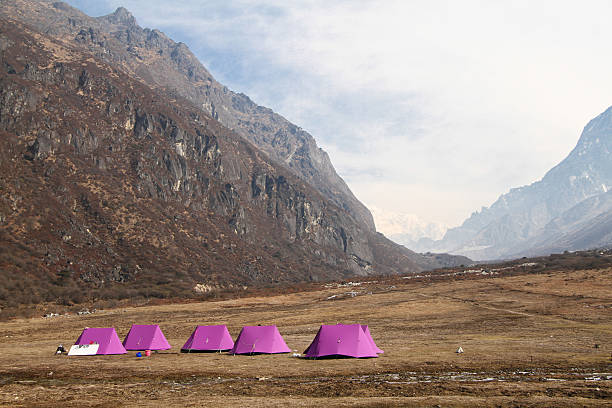
Knowing Fitness Requirements
The goechala trek is characterized by extensive daily walking time, high ascending height and cold weather. The trekkers take a 6-9 hour walk over different heights which gradually begin in the forested areas to the cold alpine regions. Adequate preparation demands strength, body strength, joint stability and good heart conditions. The altitude is changed at approximately 5,600 feet to almost 16,000 feet, which decreases oxygen content in the body and mounts pressure.
Table 1: Core Fitness Metrics
| Requirement | Why It Matters |
| Aerobic Endurance | Sustains long walking hours |
| Leg Strength | Helps up hilly climbs and rough roads |
| Lung Efficiency | Helps to adjust to reduced oxygen |
| Core Stability | Enhances the balance on rocky roads |
| Joint Mobility | Reduces fatigue and strain |
Cardiovascular Conditioning
Trekking in the high altitude needs the regular aerobic ability. Hiking at the altitude raises heart rate and the breathing rate. Training the heart and lungs is strengthened through cardiovascular training and thus able to cope with thin air during the goechala trek.
Prescription Cardio Training
• Brisk walking 30–60 minutes daily
• 3–4 times a week, walking up the stairs or up a hill
• VO2 capacity – Light jogging or cycling
• Training to boost stamina through interval training
Cardio conditioning makes sure that your body is in a position to take hours of uphill movement without overworking.
Strength Training Qualifications
Core and leg muscle endurance allows the body to cope with steep climbs and hard breathing on high altitudes. Strength training is necessary with additional strain brought by trekking poles and load in the backpack.
Strength Exercises
• Squats and lunges
• Step-ups on a bench or box
• Core planks and side planks
• Deadlifts using medium weight
• Glute strengthening exercises
These are exercises that aid in stability and minimize risk of injury in uneven surface.
Flexibility and Mobility
It is better to be flexible, as it enhances your stride and reduces muscle tension. Long distance walking imposes a strain on the joints particularly knees, hips and ankles.
Mobility Drills
• Hip-opening stretches
• Calf stretches and hamstring
• Ankle rotation drills
• Mobility exercises of the upper back
The aim is to ensure effective movement and it should not be stiff during the goechala trek.
Table 2: Sample Training Timetable Weekly
| Day | Training Focus |
| Monday | Cardio + Leg Strength |
| Tuesday | Mobility + Core |
| Wednesday | Long Walk (5–7 miles) |
| Thursday | Hill/Stair Climbing |
| Friday | Strength + Light Cardio |
| Saturday | Long Hike Practice |
| Sunday | Rest and Stretching |
Practicing with a Backpack
Trekkers need to carry essentials which normally weigh 5–7 kg. The way to train is with your backpack to get the body used to the trail weight.
Backpack Training Tips
• Light weight should be used and then progressively
• Maintain upright posture
• Train to walk up and down the hill and irregular surfaces
• Test hydration systems and accessories
Backpack training makes the shoulders stronger and less strained.
Altitude and the Human Body
The goechala trek ascends high elevation areas with less oxygen. Altitude has an impact on respiration, vitality, slumber and digestion. Knowledge of body reactions aids in adapting of the trekkers.
Common Altitude Effects
• Faster breathing
• Reduced appetite
• Lightheadedness or headache
• Reduced paces of physical performance
• Interrupted sleep
When acclimatization is properly done, these reactions are normal and tend to be mild in nature.
Approaches to Altitude Adaptation
The managed process of making your body become accustomed to low oxygen is called acclimatization.
Slow Ascent
The trail consists of gradual ascending of the altitude, which gives your organism time to adjust. Leisurely pace alleviates the symptoms, such as headache and fatigue.
Hydration
A lot of water maintains the blood oxygen and eliminates the stress of high altitude. Marginal cases of dehydration exacerbate symptoms.
Proper Nutrition
High-energy meals are rich in carbohydrates which help in high-altitude energy. Fatty, oily foods slow down the digestion process as well as make people feel uncomfortable.
Breathing Techniques
When the air is thin, deep-breathing will help fill the lungs to a greater extent.
Table 3: Symptoms and Responses of the Altitude
| Symptom | Recommended Action |
| Headache | Hydrate, rest, ascend slowly |
| Nausea | Light foodstuffs, deep breathing, do not overwork |
| Fatigue | Reduce pace, take breaks |
| Dizziness | Stop, sit, hydrate |
| Worsening symptoms | Descend immediately |
The Prevention of Altitude Sickness
Trekkers are supposed to realize that any person, whether fit or not, can be affected by the altitude sickness.
Prevention Steps
• Raise the elevation slowly
• Maintain hydration
• Eat light and frequent meals
• Sleep abundantly before trek days
• No alcohol and smoking during the trek
• Recognize early symptoms
Pacing, awareness and discipline are all aspects of adaptation.
Quotes for Emphasis
Preparation is a reward on altitude, speed is a punishment.
It is better to have a powerful pair of lungs than powerful legs at high altitude.
“Slow is safe. Safe is successful.”
Clothes and Equipment to High Altitude
The goechala trek is one that needs equipment that can be used to cope with the abrupt changes in weather. Adequate clothing will minimize fatigue and facilitate adaptation of high altitudes.
Essential Clothing
• Thermal layers
• Insulated jacket
• Waterproof pants and jacket
• Warm gloves and hat
• High-ankle boots
• Breathable socks
Essential Gear
• Trekking poles
• Headlamp including spare batteries
• Sleeping bag in case of low temperatures
• Water purification filter
• Sunglasses and sunscreen
Nutrition Strategy and Hydration Strategy
Ability to eat well helps in energy and hydration helps in transportation of oxygen.
Nutrition Tips
• Focus on high-carb foods
• Avoid heavy meals
• Have little meals during the day
Hydration Tips
• Drink and then thirst you will not feel
• Add electrolytes to water
• Do not eat too much caffeinated beverages
Mental Preparation
Mental strength is also significant. Trekking on high altitude is a physically and mentally exhausting activity.
Mental Conditioning Tips
• Engage in activities of long durations
• Becoming patient and learning to breathe
• Learn to live with pain during altitude trekking
FAQs
What is the required level of fitness of the goechala trek?
Trekkers should have a high level of cardiovascular stamina, leg power and be able to walk long hours.
What is the time spent on acclimatization in the goechala trek?
Acclimatization occurs through the process of slow progressive ascent, over a number of days.
Is it possible to have beginners take the goechala trek?
The novices can give it a go with good exercise and time.
How can the altitude sickness be best avoided?
Gradual ascending, hydration, healthy eating, and prompt identification of the symptoms.
What is the height to which the trek goes?
The observation is about 16,000 feet in altitude.
Conclusion
The goechala trek must be well prepared, trained, and cleverly adapted to the altitude. The trekkers have to train their endurance, strength, and lung capacity and also understand how the body responds to high altitude. A gradual tempo, fluidity, nutritious diet and conscious acclimatization are crucial success tools. Trekking through this difficult path in the Himalayas, it is possible to reach the summit of this adventure through the dedicated training and proper preparation and accomplish the high-altitude trip in the Eastern Himalayas.