Get ready for an amazing trip to Mount Kanchenjunga, the world’s third-highest mountain! The Goechala trek gives you the best view of this huge mountain. The Kanchenjunga mountain group is waiting for you after this wonderful adventure!
What Makes This Trek Special, Mountain Views That Will Amaze You
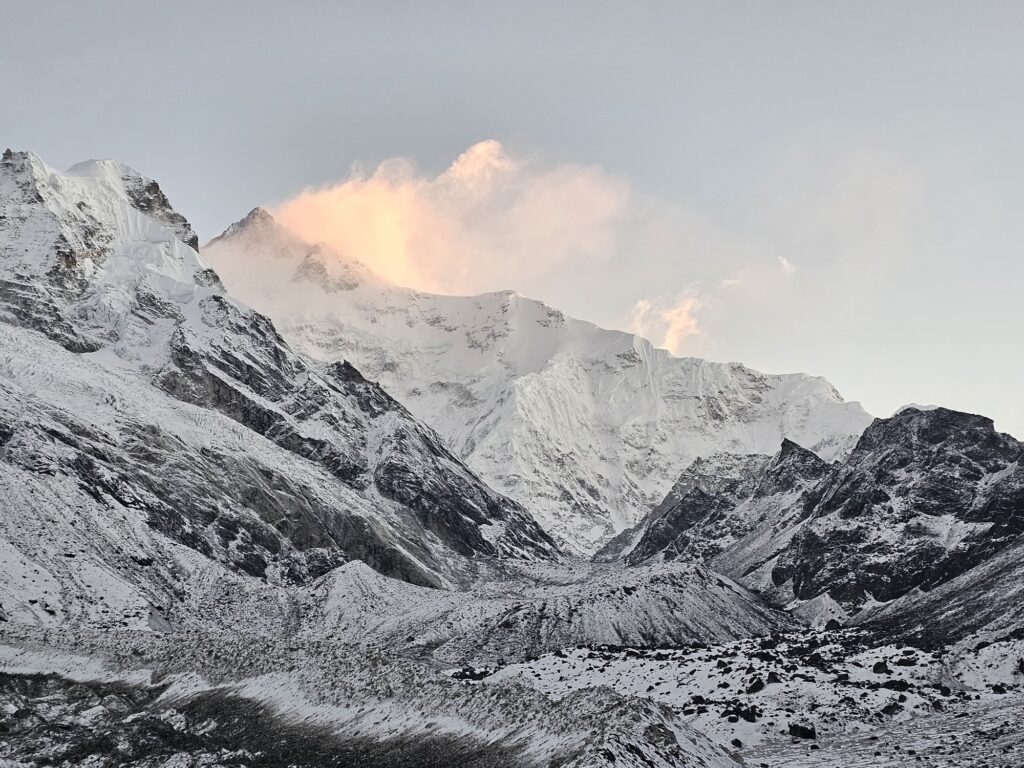
Picture yourself looking at 14+ tall peaks that touch the sky! Famous mountains you’ll see include:
Kanchenjunga—The main attraction
Pandim—A beautiful pyramid-shaped peak
Kabru—Tall and proud
Rathong—Another amazing giant
Sacred Samiti Lake – Nature’s Mirror
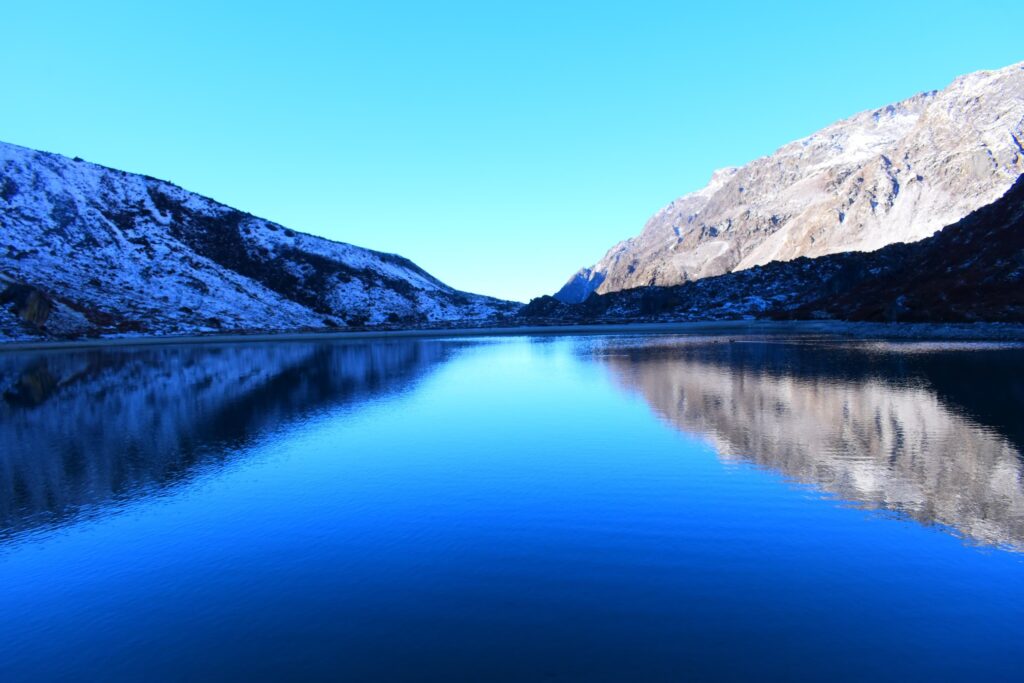
Picture a mountain lake with perfect reflections. The snow-covered peaks reflect in the water, making it look like there are mountains above and below you!
Colorful Forest Adventure
Walk through Kanchenjunga National Park’s beautiful rhododendron forests. Spring brings bright red, pink, and white flowers to these trees. It’s like walking through a rainbow!
Meet Local People
Friendly mountain people from Sikkim welcome you. Visit peaceful Buddhist monasteries where monks pray and bells ring in the mountains.
Challenge Yourself
This tough mountain adventure will test how strong you are. But the amazing views make every hard walk worth it!
Trek Quick Facts
Learn all about your adventure:
How Long: 10-11 days of pure mountain fun
Distance: 73-90 km of beautiful paths
Highest Point: Up to 15,100 feet (4,600m)—higher than most clouds!
Starting Place: Yuksom, a lovely mountain village
How Hard: Tough, but you can do it!
Best Time: Spring flowers and clear skies are best in March–May and September–November
Where to Start: NJP Railway Station
What Makes Goechala Trek Special
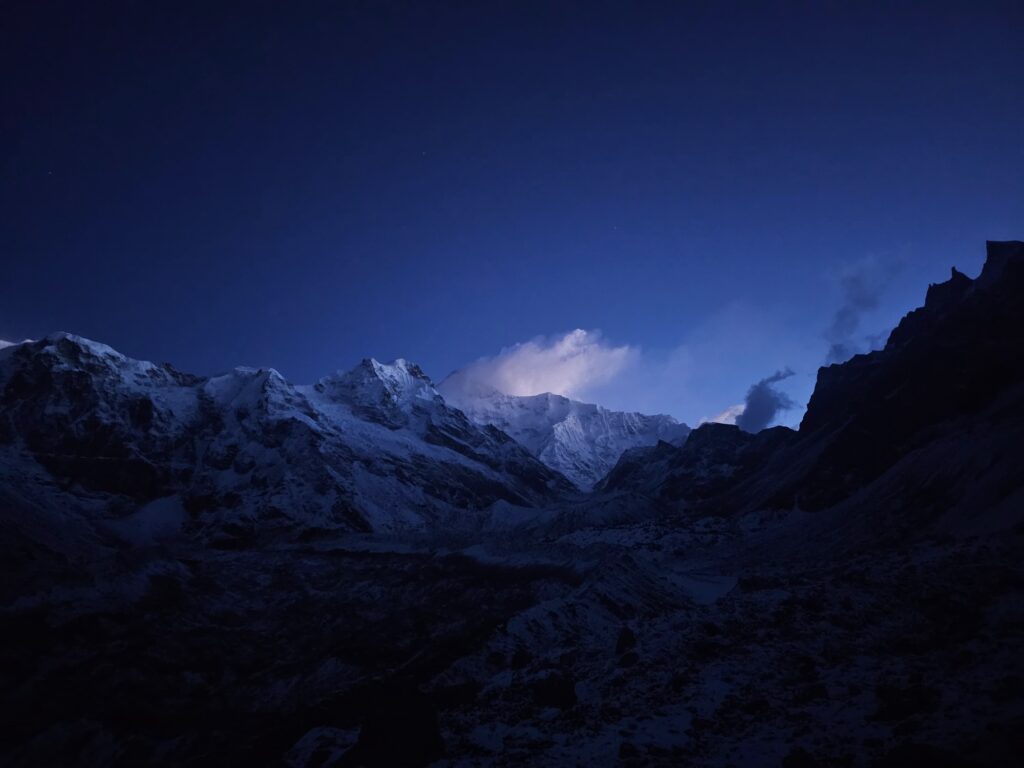
The Kanchenjunga Connection-: See Mount Kanchenjunga without needing a climbing permit! Goechala gives you the best views of this amazing mountain without difficult technical climbing.
Kanchenjunga means Five Treasures of Great Snow in Tibetan. Can you guess why? Because this huge mountain has five snow-covered tops that look like jewels!
It looks best in the morning when the mountains show amazing colors:
- The peaks start as ocean-blue
- They slowly turn golden orange like fire
- The colors dance across all five peaks, making an unforgettable picture
Here’s what’s special: This trek gives regular hikers the closest look at this holy peak. Why? Kanchenjunga cannot be climbed from Sikkim. We respect what local people believe – that this mountain is sacred – by looking at it from far away.
Nature’s Playground
Welcome to nature’s biggest playground! The Goechala trek goes through Kanchenjunga National Park, a UNESCO World Heritage site.
Amazing Animals You Might See
World-class animals live in this park:
- Red pandas—Fluffy, red teddy bears
- Blue sheep – Yes, they’re really blue! Well, blue-gray
- Himalayan tahr – Wild mountain goats that climb really well
- Over 550 bird types – That’s more birds than you could count in a whole year!
Different Nature Levels
Think of walking through a tall building. Each “floor” has different plants and trees:
- The bottom floors: Hot weather forests with big, green trees that love warmth
- Top floors: Mountain areas with small, tough plants that can handle cold and wind
Spring Flower Magic
Come in spring (March–May) for a treat! Rhododendron forests make natural rainbows. These special trees bloom with:
- Bright pink flowers like party decorations
- Deep red flowers like natural Christmas ornaments
- White flowers like snow that never melts
Every step in the forest feels like walking through a fairy tale in this colorful paradise!
Special High Mountain Features
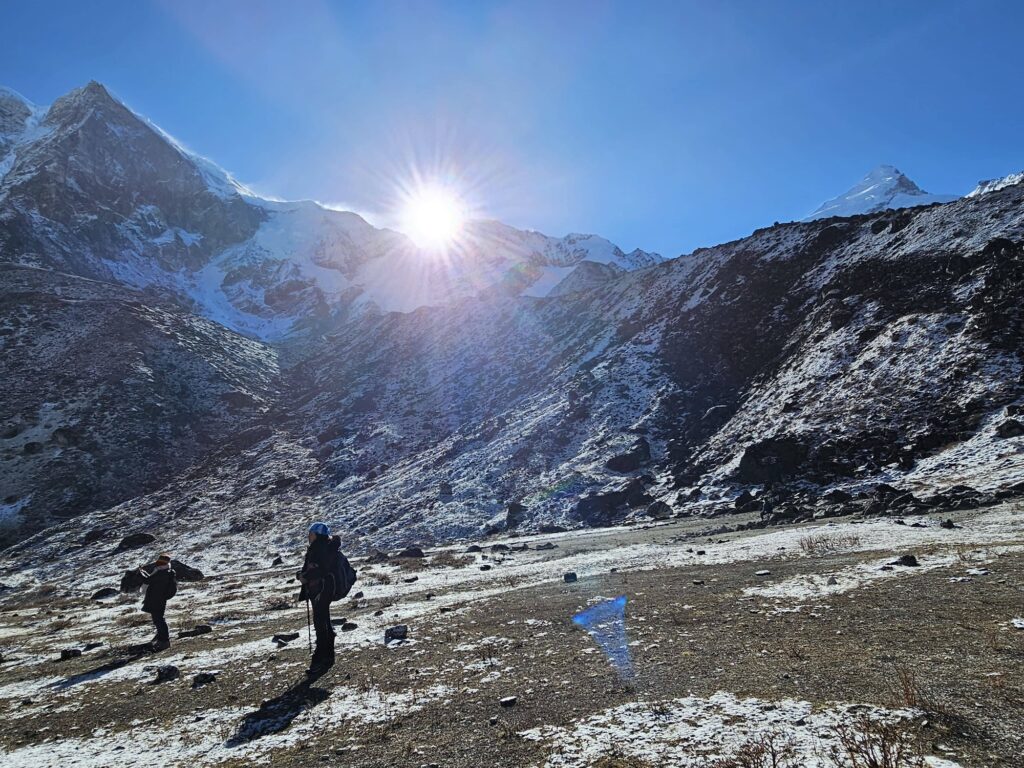
Goechala is different from other mountain treks because of its cool features. Let me tell you what makes it special!
Super-High Trees
Most mountains lose trees quickly as you go up. Goechala is different! Trees grow up to 12,000 feet, higher than most mountain areas. The trees seem braver and stronger here!
Cool Things You’ll See on the Trail
Your trip has amazing sights:
- Many hanging bridges—Don’t worry, they’re safe!
- Clear streams—Crystal-clear water that flows from the high mountains
- Holy Samiti Lake at 14,200 feet—higher than most planes fly!
Special Stops
Dzongri Top at 13,700 feet gives you the best views and a nice break. Enjoy views of mountains all around and get used to high altitude (thin air) while seeing mountains in every direction!
Complete Goechala Trek Schedule
Day 1: Arrival in Yuksom (5,900 ft)
Start your mountain trip with a beautiful drive from New Jalpaiguri to Yuksom. Get comfortable—this 150 km trip takes 7-8 hours, but the amazing views make it worth it!
Yuksom is Sikkim’s first capital and is very special! Think of it as the grandma of Sikkimese towns. You’ll do:
- Learn about Yuksom’s history with interesting king and queen stories
- Sleep at a nice guesthouse to get ready for the big trek
- Do your trek preparation and permit checks (like homework!)
- Meet your trek guides who will become your mountain family
Day 2: Yuksom to Sachen (7,400 ft) – 8 km, 6 hours
Start walking! Begin your adventure through the most beautiful forests you’ve ever seen. It’s like walking through a tunnel made of trees!
Cool Things You’ll See Today:
- Forests that look like nature’s castle
- River paths with singing water
- Three hanging bridges, including the fairy-tale-like Tshushay Khola waterfall bridge
- Oak and rhododendron forests that change with the seasons
Mountain stream sounds will sing you to sleep in Sachen in a forest clearing. It’s nature’s lullaby!
Day 3: Sachen to Tshoka via Bakhim (9,800 ft)—7 km, 5 hours
The excitement grows today! You’ll cross the Prek River bridge into thick forest areas that feel like exploring a secret jungle.
Special Stops:
- Bakhim halfway point – Great mountain views for pictures
- Tshoka—where you’ll visit a monastery!
- First big mountain view from campsite—get your camera ready!
See the Kanchenjunga range from Tshoka and be amazed. You’ll feel like the mountains are saying “Hello!”
Day 4: Tshoka to Dzongri (13,100 ft) – 8 km, 8 hours
Hold onto your hiking boots—this is the hardest day! You’ll climb up 1,000m. That’s like climbing a really tall skyscraper!
What Makes This Day Special:
- Cross the treeline – The forest will end and the land above trees will begin
- Walk on nature’s wooden bridge with wooden log paths
- Phedang clearing with colorful prayer flags blowing in the wind
- The steep final climb to Dzongri with strong mountain winds will make you feel like an explorer
Reach Dzongri and feel like you’re on top of the world!
Day 5: Rest Day at Dzongri
Your rest day isn’t boring! A trip to 13,700-foot Dzongri Top means getting up very early in the morning.
Why This Day is Amazing:
- Very early trek for the best sunrise views
- Beautiful sunrise on Kanchenjunga and Singalila ranges—the mountains show you their colors!
- Rest day to get used to thin air at high altitude
- Time to plan for tomorrow’s adventure
You need time to get used to thinner air, so this day keeps you healthy and strong!
Day 6: Dzongri to Thansing (13,000 ft) – 10 km, 7 hours
Walk through one of Earth’s most beautiful places today! The Prek River valley route goes down gently, making it easy on your legs.
Thansing sits amazingly at the bottom of Mt. Pandim. This campsite is one of the trek’s most beautiful, with tall peaks that seem to touch the sky!
Day 7: Thansing to Lamuney (13,600 ft) – 4 km, 3 hours
This day is short but important! Walking 4 km in 3 hours sounds easy, right? This rest time is very important.
Lamuney is perfectly placed, like your goechala trek base camp. Rest and get ready for tomorrow’s early start. Think of it as the quiet before the exciting storm!
Day 8: Summit Day – Lamuney to Goechala (15,100 ft) via Samiti Lake
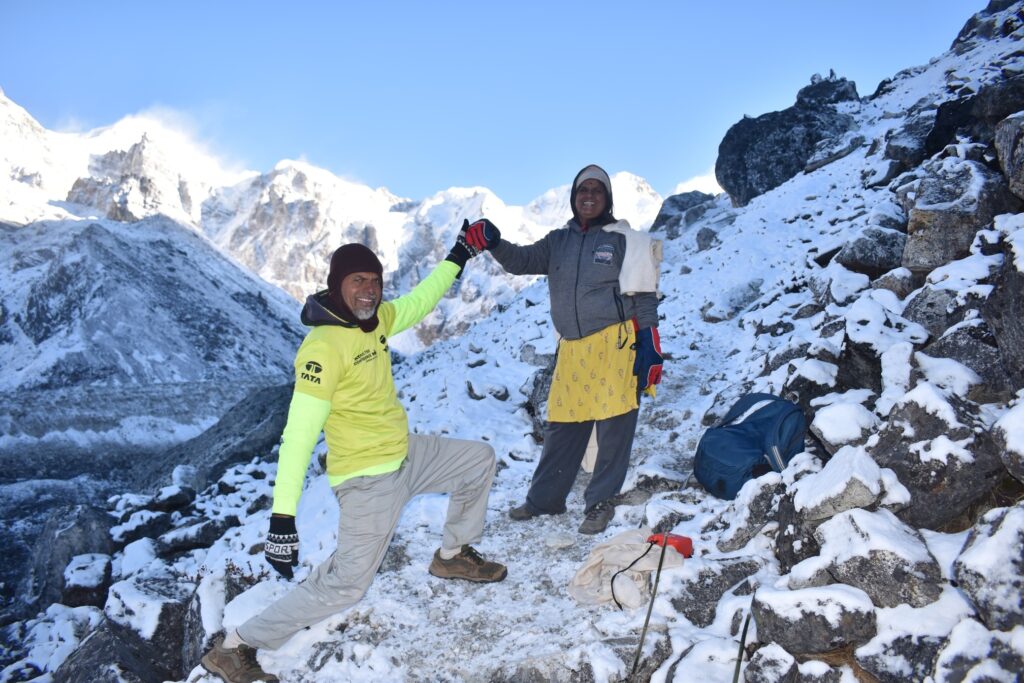
The big day is here! This is what all your training was for! Walk from 1-3 AM in the dark to see the sunrise from the viewpoint.
Why This Day is Amazing:
- Trek to 14,200-foot Samiti Lake, which shows the mountains like a mirror
- Final push to 15,100-foot Goechala viewpoint—higher than most clouds!
- Golden sunrise on Kanchenjunga mountain group—the most beautiful sight ever
- A long but fun trek back to Thansing/Kokchurung (15 km, 10-12 hours)
Day 9-10: Going Back Home
Your Journey Back:
- Day 9: Thansing to Tshoka (16 km, 7 hours) – Leaving the high mountains
- Day 10: Tshoka to Yuksom (15 km, 6 hours) – Back to where you started
Drive back to New Jalpaiguri to share your amazing stories!
The return trip lets you think about the amazing things you saw. Every step down brings back memories of your Kanchenjunga trek.
Best Time to Do Goechala Trek
Spring Season (March – May) – Goechala Trek April
Best Rhododendron Season – Nature’s Own Rainbow Show!
Walk through nature’s biggest flower show in March–April! Rhododendron flowers turn the forest into a bright paradise. The goechala trek best time for flower lovers includes goechala trek april when nature puts on its most amazing show.
Picture this:
- Pink flowers above your head like party decorations
- Red flowers like natural Christmas ornaments
- White flowers make wonderful tunnels as you walk
- The path becomes a beautiful natural garden!
Weather That Makes You Happy
Spring has perfect weather and sights:
- Steady weather with fewer sudden storms
- Clear Kanchenjunga mountain views most days
- Sometimes spring rains clean everything
- 15°C days are perfect for t-shirt walking!
- Higher places may get to -5°C at night—bring your sleeping bags!
March-May is perfect for flower lovers who don’t mind some rain. This goechala trek best season feels like the mountains are throwing a welcoming party for you!
After-Monsoon Season (September – November)
Crystal Clear Views – Mountain Photography Paradise!
October-November is the time to take photos that will make your friends jealous! After-monsoon offers the goechala trek best time for photography:
- Clear views that make every mountain look like a painting
- You can see Kanchenjunga all day because of low clouds
- Clean air after monsoon rains
- Amazing photography—every picture looks like a postcard!
Perfect Weather for Strong Trekkers
Experienced hikers who want a challenge without freezing love this goechala trek best season:
- Challenges that test your strength but don’t overwhelm you
- Nice afternoon temperatures for walking and exploring
- Higher places may get to -10°C at night—sleeping bag weather!
- September–November has steady weather with fewer surprises
Nature gives rewards after the monsoon season. Everything is clean and beautiful!
Winter Things to Think About – Goechala Trek in December
When the Mountains Get Really Serious
Goechala trek in december and winter months have big challenges. The Goechala trek changes a lot during this time. You should know:
- Very cold weather may freeze your fingers
- Deep snow covers everything in white
- Trekking becomes dangerous and very hard
- Snowy paths need expert mountain skills and special gear
Why Most People Skip Winter
Trek companies often take a winter break to keep everyone safe:
- Extreme weather may change suddenly and be dangerous
- This needs special gear and skills that most people don’t have
- Most companies don’t allow winter trips for good reasons
- Goechala trek in december needs special equipment and experience
The mountains need beauty sleep in winter. It’s better to visit when they’re awake and friendly!
Which Season Should You Choose?
What excites you determines your perfect goechala trek best time:
- Love flowers and don’t mind rain: Spring March–May (goechala trek april is perfect!)
- Want great photos and views? Choose after-monsoon (September-November)
- Winter (goechala trek in december) is best avoided unless you are an expert climber!
Getting Ready Step-by-Step Plan
3-4 Months Before – Start Getting Ready!
Your fitness journey begins here thinking about the goechala trek difficulty:
- Start heart exercise with easy runs, walks, or bike rides
- Begin yoga/stretching exercises to stay flexible and happy
- Plan gear buying—Make a list of all the things you’ll need
- Stick to a training plan like brushing your teeth!
2 Months Before – Get Serious!
Make your training harder and more focused for the goechala trek difficulty:
- Make training tougher with 5-6-hour weekend walks
- Test all gear to make sure there are no surprises on the mountain
- Do complete medical check-ups to make sure you’re healthy and ready
- Practice hiking with a 10-12 kg bag to get used to it
1 Month Before – Final Getting Ready
Home stretch of preparation:
- Try high-altitude day treks to get ready for the goechala trek altitude
- Finish packing lists—double-check everything
- Make sure your permit papers are ready
- Keep your heart exercise routine without adding anything new
1 Week Before – Rest and Get Ready
Almost there! What to do:
- Make training lighter—Do easier, simpler workouts to rest
- Get enough sleep and eat well
- Final gear checks – Pack everything and make sure nothing is missing
- You’re almost ready for a life-changing experience!
Goechala Trek Cost & Goechala Trek Package
Goechala Trek Price – What’s Included
Food That Keeps You Strong
- All meals from Day 2 lunch to Day 9 breakfast – that’s like having a personal chef in the mountains!
- Hot, healthy food that gives you energy for all those uphill climbs
- Special high-altitude meals made to keep trekkers happy and strong
Where You’ll Sleep Under the Stars
- Twin-sharing tent living – You’ll have a tent buddy to share stories with!
- Sleeping equipment including sleeping bags and mats (no more worrying about cold ground!)
- Cozy tents that protect you from mountain weather
Your Mountain Family
- Experienced trek leaders who know every rock and tree on the trail
- Support staff including cooks, helpers, and guides who take care of you
- People who have done this trek many times and will keep you safe
Legal Stuff Made Easy
- Forest permits and camping charges for Indians – all the boring paperwork is done for you!
- Medical kit and safety equipment – like having a mini hospital on the trail
- Transportation Yuksom to Yuksom – rides to and from your starting point
This standard goechala trek package is like getting a complete meal deal – everything important is included!
Extra Costs & Add-ons – Extra Things You Might Want
Transportation – Getting There and Back
- NJP to Yuksom return: ₹3,000-3,500 per person
- This covers your ride from New Jalpaiguri Railway Station to Yuksom and back
Make Your Trek Easier
- Backpack Carrying: ₹5,500-6,400 for porter service
- Tired of carrying a heavy bag? A porter can carry your stuff so you can enjoy the views!
Stay Safe and Smart
- Insurance: ₹300-688 trek insurance (highly recommended)
- This is like a safety net for your adventure
Special Situations
- Foreign People: Additional ₹4,000 permit fees for non-Indians
- Single Tent: ₹2,100 extra for solo living
Smart Money Tips for Your Trek
Here’s how to plan your goechala trek cost like a pro:
- The ₹19,500 – ₹22,500 goechala trek package covers your main adventure
- Add ₹3,000-3,500 for transportation from NJP
- Budget extra ₹2,000-3,000 for personal stuff and tips
- Trek insurance for ₹300-688 is the best money you’ll spend!
- Total goechala trek price: ₹25,000-30,000 per person
Where You’ll Stay & Facilities
Camping Setup – Your Home in the Mountains
Cozy Tents Under the Stars
All your nights during the dzongri goechala trek will be spent camping in really good tents! Think of it like having a sleepover party with nature every single night.
Your Sleep Setup
- High-quality tents that keep you dry and warm, no matter what the weather does
- Twin-sharing basis – You’ll have a tent buddy to share stories and keep each other company
- All-season trekking tents that work perfectly in sun, rain, or snow
- Sleeping bags made for very cold temperatures – These special bags keep you warm even when it’s freezing outside!
Extra Comfort Items
- Special mats that go under your sleeping bag
- Pillows so your head stays comfortable all night long
- Everything you need for a good night’s sleep after your long day of walking
Camp Life Made Easy
Each campsite has special areas that make mountain living comfortable:
- Dining tents – Like having your own mountain restaurant
- Kitchen tents – Where your camp cooks make delicious, hot meals
- Portable toilet tents – Clean bathroom facilities that follow you wherever you camp
Goechala Trek Base Camp Facilities – Yuksom Comforts
Where You’ll Stay Before and After
Yuksom serves as your goechala trek base camp and has lots of nice places to stay! Think of it as your comfortable home base before you head into the wild mountains.
Where to Stay in Yuksom
- Basic guesthouses – Simple, clean places that have everything you need
- Comfortable hotels – Nicer options if you want extra comfort before your big adventure
- Most companies arrange guesthouse stays with bathrooms and basic things you need
- Real beds, hot showers, and walls instead of tent fabric!
Village Conveniences
Yuksom village has lots of helpful things for trekkers:
Shopping and Eating
- Small restaurants where you can try local Sikkimese food
- Shops for last-minute supplies – Forgot something important? You can probably find it here!
- Places to buy snacks, water bottles, or any small items you might need
Staying Connected
- Mobile phone service – You can call home and tell everyone about your upcoming adventure!
- Storage facilities – Store your extra luggage during the trek
What to Pack & Gear You Need
Clothes You Need – Dressing for Mountain Success
Base Layers – Your First Protection
Base layers are like your skin’s best friend in the mountains thinking about the goechala trek altitude:
- Merino wool or synthetic thermal tops and bottoms – These magical fabrics keep you warm even when they get wet!
- Think of them as your mountain underwear that works way better than regular clothes
Middle Layer – Your Warm and Cozy Layer
This is where you trap warm air around your body:
- Down jacket made for -15°C – This puffy jacket is like wearing a cloud that keeps you super warm!
- Fleece jacket – Perfect for when it’s chilly but not freezing cold
- Warm pants – Keep your legs cozy when the mountain gets really cold
Outside Layer – Your Weather Shield
The shell layer is like having an invisible force field against bad weather:
- Waterproof/breathable jacket and pants for protection against rain, snow, and wind
- These special fabrics keep water out but let your sweat escape
Shoes & Equipment – Your Mountain Tools
Shoes That Keep You Going
- Main Boots: High-ankle waterproof trekking boots with good grip
- These are like having superpowers for your feet!
- They keep water out, give you grip on slippery rocks, and support your ankles
- Camp Shoes: Light sandals or camp shoes for evening comfort
- After a long day in boots, your feet will be so happy!
Technical Gear – Your Mountain Helpers
- Trekking poles (must-have for steep parts): Like having two extra legs to help you balance
- Headlamp with extra batteries: You’ll be walking in the dark on summit day
- UV-protection sunglasses: Mountain sun is much stronger than regular sun
- 50-60L backpack with rain cover: This carries everything you need for multiple days
Safety & Medical Things to Think About
Goechala Trek Altitude Sickness Prevention
Understanding Mountain Sickness
The goechala trek altitude reaches 15,100 feet, where Acute Mountain Sickness (AMS) can happen. This occurs when your body doesn’t like the thin air above 10,000 feet.
How to Spot AMS Signs
Watch out for these warning signs:
- Headaches that feel worse than normal headaches
- Nausea – feeling like you might throw up
- Tiredness – feeling super tired even after resting
- Loss of appetite – not wanting to eat
How to Prevent Altitude Sickness
Prevention ways for the goechala trek altitude:
- Proper getting-used-to-altitude schedule – Going up slowly (that’s why we have rest days at Dzongri!)
- Staying hydrated – Drink water even when you don’t feel thirsty
- Avoiding alcohol – No beer or wine on the mountain
- Going up slowly – Don’t rush up too fast
Emergency Plans – When Things Go Wrong
Medical Equipment on the Trek
All good goechala trek agency operators carry:
- Complete medical kits with medicines and supplies
- Oxygen bottles – Extra oxygen for people who can’t breathe well
- Pulse oximeters – Machines that check oxygen levels in your blood
- Emergency medicines for serious problems
Communication and Rescue
- Helicopter rescue from Dzongri or Thansing is possible when weather is clear
- Travel insurance covering high-altitude trekking and rescue costs is required
How to Reach Goechala Trek Base Camp
Transportation Options – Three Ways to Get There
Flying – The Fastest Way
- By Air: Fly to Bagdogra Airport
- Then take a 7-8 hour drive to Yuksom (you’ll go to NJP station first)
Taking the Train – The Most Popular Choice
- By Train: Direct trains to New Jalpaiguri (NJP)
- Trains come from major Indian cities including Delhi, Mumbai, Kolkata
- NJP is the main gateway to the Sikkim mountains
Driving All the Way
- By Road: Well-connected road network via Siliguri to Yuksom through Geyzing
Travel Tips – Smart Ways to Plan Your Journey
Timing Your Arrival
- Arrive at NJP one day early to avoid delays
- Trains sometimes run late, and you don’t want to miss your trek start!
Transportation Choices
- Group transportation costs less than private taxis
- You might make new friends before your trek even starts
Goechala Trek Map & Route Planning
The goechala trek map shows a well-planned route from Yuksom through various camps:
Yuksom (5,900 ft) → Sachen (7,400 ft) → Tshoka (9,800 ft) → Dzongri (13,100 ft) → Thansing (13,000 ft) → Lamuney (13,600 ft) → Goechala (15,100 ft)
The goechala trek map shows smart rest points and getting-used-to-altitude stops, making it important for understanding the journey ahead.
Permits & Rules
Required Papers – What Documents You Need
For Indian Citizens
- Photo ID – Like your Aadhar card or passport
- Medical fitness certificate – A doctor’s note saying you’re healthy
For Foreign Visitors
- Special Inner Line Permits processed in Gangtok
- Additional ₹5,000 permit fees for non-Indians
- Visit Gangtok (the capital of Sikkim) to get these special permits
Who Cannot Get Permits
- Citizens of China, Myanmar, and Bangladesh cannot get permits for Sikkim trekking
Booking Requirements – Planning Ahead is Important
Why You Need to Book Early
- Limited group sizes to protect the environment
- Limited permits from the government
- Most goechala trek agency operators need full payment 45+ days before departure
Ready to Take the Next Step?
Book your Goechala trek adventure with confidence, knowing you’re starting one of the world’s most amazing mountain journeys. The dzongri goechala trek offers an incredible close look at Kanchenjunga – imagine standing just a few kilometers away from a mountain that’s 28,169 feet tall!
The diverse ecosystems of Sikkim are ready for your discovery:
- Rhododendron forests that bloom like rainbows in spring
- Alpine meadows full of wildflowers
- Sacred lakes that reflect snow-covered peaks
- Buddhist monasteries where monks have prayed for hundreds of years
Every step of the Goechala trek – from your first night camping in Sachen to that incredible sunrise at Goechala viewpoint – will show you what humans can do when they prepare well and respect the power of nature.
Common Questions (FAQs)
1. What is the goechala trek difficulty level?
Goechala trek difficulty is rated as “Hard” and needs previous high-altitude experience. You need good physical fitness, heart strength, and ability to handle 12-14 hour summit days at oxygen-reduced altitudes.
2. What is the best time to do goechala trek?
The goechala trek best time includes Spring (March-May) for amazing rhododendron blooms and After-monsoon (September-November) for crystal clear mountain views. Goechala trek april is particularly popular for flower viewing.
3. How much does the goechala trek cost?
Standard goechala trek package costs ₹19,500-22,500 per person including meals, tent living, guides, and permits. Add ₹3,000-3,500 for NJP transportation. Total goechala trek price around ₹25,000-30,000 per person.
4. Do I need special permits for Goechala trek?
Indian citizens need photo ID and medical certificate. Foreign people need Inner Line Permits from Gangtok costing extra ₹4,000. Citizens of China, Myanmar, Bangladesh cannot get permits.
5. What should I pack for the Goechala trek?
Important items include waterproof trekking boots, down jacket (-15°C rated), base layers, shell layers, trekking poles, headlamp, sleeping bag, 50-60L backpack, and high SPF sunscreen to handle the goechala trek altitude.
6. What is the goechala trek altitude?
The highest goechala trek altitude reaches 15,100 feet (4,600m) at the Goechala viewpoint, with getting-used-to-altitude stops at Dzongri (13,100 ft) and other camps.
7. How do I choose a reliable goechala trek agency?
Look for a goechala trek agency with experienced guides, proper safety equipment, good reviews, and complete goechala trek package that includes meals, living space, permits, and emergency plans.
8. Can I do goechala trek in december?
Goechala trek in december is not recommended because of very cold weather, heavy snow, and dangerous conditions. Most operators don’t run trips during winter months.Goechala Trek – Amazing Sikkim Mountain Adventure to Kanchenjunga Base
Get ready for an amazing trip to Mount Kanchenjunga, the world’s third-highest mountain! The Goechala trek gives you the best view of this huge mountain. The Kanchenjunga mountain group is waiting for you after this wonderful adventure!
What Makes This Trek Special
Mountain Views That Will Amaze You
Picture yourself looking at 14+ tall peaks that touch the sky! Famous mountains you’ll see include:
Kanchenjunga—The main attraction
Pandim—A beautiful pyramid-shaped peak
Kabru—Tall and proud
Rathong—Another amazing giant
Sacred Samiti Lake – Nature’s Mirror
Picture a mountain lake with perfect reflections. The snow-covered peaks reflect in the water, making it look like there are mountains above and below you!
Colorful Forest Adventure
Walk through Kanchenjunga National Park’s beautiful rhododendron forests. Spring brings bright red, pink, and white flowers to these trees. It’s like walking through a rainbow!
Meet Local People
Friendly mountain people from Sikkim welcome you. Visit peaceful Buddhist monasteries where monks pray and bells ring in the mountains.
Challenge Yourself
This tough mountain adventure will test how strong you are. But the amazing views make every hard walk worth it!
Trek Quick Facts
Learn all about your adventure:
How Long: 10-11 days of pure mountain fun
Distance: 73-90 km of beautiful paths
Highest Point: Up to 15,100 feet (4,600m)—higher than most clouds!
Starting Place: Yuksom, a lovely mountain village
How Hard: Tough, but you can do it!
Best Time: Spring flowers and clear skies are best in March–May and September–November
Where to Start: NJP Railway Station
What Makes Goechala Trek Special
The Kanchenjunga Connection
See Mount Kanchenjunga without needing a climbing permit! Goechala gives you the best views of this amazing mountain without difficult technical climbing.
Kanchenjunga means “Five Treasures of Great Snow” in Tibetan. Can you guess why? Because this huge mountain has five snow-covered tops that look like jewels!
It looks best in the morning when the mountains show amazing colors:
- The peaks start as ocean-blue
- They slowly turn golden orange like fire
- The colors dance across all five peaks, making an unforgettable picture
Here’s what’s special: This trek gives regular hikers the closest look at this holy peak. Why? Kanchenjunga cannot be climbed from Sikkim. We respect what local people believe – that this mountain is sacred – by looking at it from far away.
Nature’s Playground
Welcome to nature’s biggest playground! The Goechala trek goes through Kanchenjunga National Park, a UNESCO World Heritage site.
Amazing Animals You Might See
World-class animals live in this park:
- Red pandas—Fluffy, red teddy bears
- Blue sheep – Yes, they’re really blue! Well, blue-gray
- Himalayan tahr – Wild mountain goats that climb really well
- Over 550 bird types – That’s more birds than you could count in a whole year!
Different Nature Levels
Think of walking through a tall building. Each “floor” has different plants and trees:
- The bottom floors: Hot weather forests with big, green trees that love warmth
- Top floors: Mountain areas with small, tough plants that can handle cold and wind
Spring Flower Magic
Come in spring (March–May) for a treat! Rhododendron forests make natural rainbows. These special trees bloom with:
- Bright pink flowers like party decorations
- Deep red flowers like natural Christmas ornaments
- White flowers like snow that never melts
Every step in the forest feels like walking through a fairy tale in this colorful paradise!
Special High Mountain Features
Goechala is different from other mountain treks because of its cool features. Let me tell you what makes it special!
Super-High Trees
Most mountains lose trees quickly as you go up. Goechala is different! Trees grow up to 12,000 feet, higher than most mountain areas. The trees seem braver and stronger here!
Cool Things You’ll See on the Trail
Your trip has amazing sights:
- Many hanging bridges—Don’t worry, they’re safe!
- Clear streams—Crystal-clear water that flows from the high mountains
- Holy Samiti Lake at 14,200 feet—higher than most planes fly!
Special Stops
Dzongri Top at 13,700 feet gives you the best views and a nice break. Enjoy views of mountains all around and get used to high altitude (thin air) while seeing mountains in every direction!
Complete Goechala Trek Schedule
Day 1: Arrival in Yuksom (5,900 ft)
Start your mountain trip with a beautiful drive from New Jalpaiguri to Yuksom. Get comfortable—this 150 km trip takes 7-8 hours, but the amazing views make it worth it!
Yuksom is Sikkim’s first capital and is very special! Think of it as the grandma of Sikkimese towns. You’ll do:
- Learn about Yuksom’s history with interesting king and queen stories
- Sleep at a nice guesthouse to get ready for the big trek
- Do your trek preparation and permit checks (like homework!)
- Meet your trek guides who will become your mountain family
Day 2: Yuksom to Sachen (7,400 ft) – 8 km, 6 hours
Start walking! Begin your adventure through the most beautiful forests you’ve ever seen. It’s like walking through a tunnel made of trees!
Cool Things You’ll See Today:
- Forests that look like nature’s castle
- River paths with singing water
- Three hanging bridges, including the fairy-tale-like Tshushay Khola waterfall bridge
- Oak and rhododendron forests that change with the seasons
Mountain stream sounds will sing you to sleep in Sachen in a forest clearing. It’s nature’s lullaby!
Day 3: Sachen to Tshoka via Bakhim (9,800 ft)—7 km, 5 hours
The excitement grows today! You’ll cross the Prek River bridge into thick forest areas that feel like exploring a secret jungle.
Special Stops:
- Bakhim halfway point – Great mountain views for pictures
- Tshoka—where you’ll visit a monastery!
- First big mountain view from campsite—get your camera ready!
See the Kanchenjunga range from Tshoka and be amazed. You’ll feel like the mountains are saying “Hello!”
Day 4: Tshoka to Dzongri (13,100 ft) – 8 km, 8 hours
Hold onto your hiking boots—this is the hardest day! You’ll climb up 1,000m. That’s like climbing a really tall skyscraper!
What Makes This Day Special:
- Cross the treeline – The forest will end and the land above trees will begin
- Walk on nature’s wooden bridge with wooden log paths
- Phedang clearing with colorful prayer flags blowing in the wind
- The steep final climb to Dzongri with strong mountain winds will make you feel like an explorer
Reach Dzongri and feel like you’re on top of the world!
Day 5: Rest Day at Dzongri
Your rest day isn’t boring! A trip to 13,700-foot Dzongri Top means getting up very early in the morning.
Why This Day is Amazing:
- Very early trek for the best sunrise views
- Beautiful sunrise on Kanchenjunga and Singalila ranges—the mountains show you their colors!
- Rest day to get used to thin air at high altitude
- Time to plan for tomorrow’s adventure
You need time to get used to thinner air, so this day keeps you healthy and strong!
Day 6: Dzongri to Thansing (13,000 ft) – 10 km, 7 hours
Walk through one of Earth’s most beautiful places today! The Prek River valley route goes down gently, making it easy on your legs.
Thansing sits amazingly at the bottom of Mt. Pandim. This campsite is one of the trek’s most beautiful, with tall peaks that seem to touch the sky!
Day 7: Thansing to Lamuney (13,600 ft) – 4 km, 3 hours
This day is short but important! Walking 4 km in 3 hours sounds easy, right? This rest time is very important.
Lamuney is perfectly placed, like your goechala trek base camp. Rest and get ready for tomorrow’s early start. Think of it as the quiet before the exciting storm!
Day 8: Summit Day – Lamuney to Goechala (15,100 ft) via Samiti Lake
The big day is here! This is what all your training was for! Walk from 1-3 AM in the dark to see the sunrise from the viewpoint.
Why This Day is Amazing:
- Trek to 14,200-foot Samiti Lake, which shows the mountains like a mirror
- Final push to 15,100-foot Goechala viewpoint—higher than most clouds!
- Golden sunrise on Kanchenjunga mountain group—the most beautiful sight ever
- A long but fun trek back to Thansing/Kokchurung (15 km, 10-12 hours)
Day 9-10: Going Back Home
Your Journey Back:
- Day 9: Thansing to Tshoka (16 km, 7 hours) – Leaving the high mountains
- Day 10: Tshoka to Yuksom (15 km, 6 hours) – Back to where you started
Drive back to New Jalpaiguri to share your amazing stories!
The return trip lets you think about the amazing things you saw. Every step down brings back memories of your Kanchenjunga trek.
Best Time to Do Goechala Trek
Spring Season (March – May) – Goechala Trek April
Best Rhododendron Season – Nature’s Own Rainbow Show!
Walk through nature’s biggest flower show in March–April! Rhododendron flowers turn the forest into a bright paradise. The goechala trek best time for flower lovers includes goechala trek april when nature puts on its most amazing show.
Picture this:
- Pink flowers above your head like party decorations
- Red flowers like natural Christmas ornaments
- White flowers make wonderful tunnels as you walk
- The path becomes a beautiful natural garden!
Weather That Makes You Happy
Spring has perfect weather and sights:
- Steady weather with fewer sudden storms
- Clear Kanchenjunga mountain views most days
- Sometimes spring rains clean everything
- 15°C days are perfect for t-shirt walking!
- Higher places may get to -5°C at night—bring your sleeping bags!
March-May is perfect for flower lovers who don’t mind some rain. This goechala trek best season feels like the mountains are throwing a welcoming party for you!
After-Monsoon Season (September – November)
Crystal Clear Views – Mountain Photography Paradise!
October-November is the time to take photos that will make your friends jealous! After-monsoon offers the goechala trek best time for photography:
- Clear views that make every mountain look like a painting
- You can see Kanchenjunga all day because of low clouds
- Clean air after monsoon rains
- Amazing photography—every picture looks like a postcard!
Perfect Weather for Strong Trekkers
Experienced hikers who want a challenge without freezing love this goechala trek best season:
- Challenges that test your strength but don’t overwhelm you
- Nice afternoon temperatures for walking and exploring
- Higher places may get to -10°C at night—sleeping bag weather!
- September–November has steady weather with fewer surprises
Nature gives rewards after the monsoon season. Everything is clean and beautiful!
Winter Things to Think About – Goechala Trek in December
When the Mountains Get Really Serious
Goechala trek in december and winter months have big challenges. The Goechala trek changes a lot during this time. You should know:
- Very cold weather may freeze your fingers
- Deep snow covers everything in white
- Trekking becomes dangerous and very hard
- Snowy paths need expert mountain skills and special gear
Why Most People Skip Winter
Trek companies often take a winter break to keep everyone safe:
- Extreme weather may change suddenly and be dangerous
- This needs special gear and skills that most people don’t have
- Most companies don’t allow winter trips for good reasons
- Goechala trek in december needs special equipment and experience
The mountains need beauty sleep in winter. It’s better to visit when they’re awake and friendly!
Which Season Should You Choose?
What excites you determines your perfect goechala trek best time:
- Love flowers and don’t mind rain: Spring March–May (goechala trek april is perfect!)
- Want great photos and views? Choose after-monsoon (September-November)
- Winter (goechala trek in december) is best avoided unless you are an expert climber!
Getting Ready Step-by-Step Plan
3-4 Months Before – Start Getting Ready!
Your fitness journey begins here thinking about the goechala trek difficulty:
- Start heart exercise with easy runs, walks, or bike rides
- Begin yoga/stretching exercises to stay flexible and happy
- Plan gear buying—Make a list of all the things you’ll need
- Stick to a training plan like brushing your teeth!
2 Months Before – Get Serious!
Make your training harder and more focused for the goechala trek difficulty:
- Make training tougher with 5-6-hour weekend walks
- Test all gear to make sure there are no surprises on the mountain
- Do complete medical check-ups to make sure you’re healthy and ready
- Practice hiking with a 10-12 kg bag to get used to it
1 Month Before – Final Getting Ready
Home stretch of preparation:
- Try high-altitude day treks to get ready for the goechala trek altitude
- Finish packing lists—double-check everything
- Make sure your permit papers are ready
- Keep your heart exercise routine without adding anything new
1 Week Before – Rest and Get Ready
Almost there! What to do:
- Make training lighter—Do easier, simpler workouts to rest
- Get enough sleep and eat well
- Final gear checks – Pack everything and make sure nothing is missing
- You’re almost ready for a life-changing experience!
Goechala Trek Cost & Goechala Trek Package
Goechala Trek Price – What’s Included
Food That Keeps You Strong
- All meals from Day 2 lunch to Day 9 breakfast – that’s like having a personal chef in the mountains!
- Hot, healthy food that gives you energy for all those uphill climbs
- Special high-altitude meals made to keep trekkers happy and strong
Where You’ll Sleep Under the Stars
- Twin-sharing tent living – You’ll have a tent buddy to share stories with!
- Sleeping equipment including sleeping bags and mats (no more worrying about cold ground!)
- Cozy tents that protect you from mountain weather
Your Mountain Family
- Experienced trek leaders who know every rock and tree on the trail
- Support staff including cooks, helpers, and guides who take care of you
- People who have done this trek many times and will keep you safe
Legal Stuff Made Easy
- Forest permits and camping charges for Indians – all the boring paperwork is done for you!
- Medical kit and safety equipment – like having a mini hospital on the trail
- Transportation Yuksom to Yuksom – rides to and from your starting point
This standard goechala trek package is like getting a complete meal deal – everything important is included!
Extra Costs & Add-ons – Extra Things You Might Want
Transportation – Getting There and Back
- NJP to Yuksom return: ₹3,000-3,500 per person
- This covers your ride from New Jalpaiguri Railway Station to Yuksom and back
Make Your Trek Easier
- Backpack Carrying: ₹5,500-6,400 for porter service
- Tired of carrying a heavy bag? A porter can carry your stuff so you can enjoy the views!
Stay Safe and Smart
- Insurance: ₹300-688 trek insurance (highly recommended)
- This is like a safety net for your adventure
Special Situations
- Foreign People: Additional ₹4,000 permit fees for non-Indians
- Single Tent: ₹2,100 extra for solo living
Smart Money Tips for Your Trek
Here’s how to plan your goechala trek cost like a pro:
- The ₹19,500 – ₹22,500 goechala trek package covers your main adventure
- Add ₹3,000-3,500 for transportation from NJP
- Budget extra ₹2,000-3,000 for personal stuff and tips
- Trek insurance for ₹300-688 is the best money you’ll spend!
- Total goechala trek price: ₹25,000-30,000 per person
Where You’ll Stay & Facilities
Camping Setup – Your Home in the Mountains
Cozy Tents Under the Stars
All your nights during the dzongri goechala trek will be spent camping in really good tents! Think of it like having a sleepover party with nature every single night.
Your Sleep Setup
- High-quality tents that keep you dry and warm, no matter what the weather does
- Twin-sharing basis – You’ll have a tent buddy to share stories and keep each other company
- All-season trekking tents that work perfectly in sun, rain, or snow
- Sleeping bags made for very cold temperatures – These special bags keep you warm even when it’s freezing outside!
Extra Comfort Items
- Special mats that go under your sleeping bag
- Pillows so your head stays comfortable all night long
- Everything you need for a good night’s sleep after your long day of walking
Camp Life Made Easy
Each campsite has special areas that make mountain living comfortable:
- Dining tents – Like having your own mountain restaurant
- Kitchen tents – Where your camp cooks make delicious, hot meals
- Portable toilet tents – Clean bathroom facilities that follow you wherever you camp
Goechala Trek Base Camp Facilities – Yuksom Comforts
Where You’ll Stay Before and After
Yuksom serves as your goechala trek base camp and has lots of nice places to stay! Think of it as your comfortable home base before you head into the wild mountains.
Where to Stay in Yuksom
- Basic guesthouses – Simple, clean places that have everything you need
- Comfortable hotels – Nicer options if you want extra comfort before your big adventure
- Most companies arrange guesthouse stays with bathrooms and basic things you need
- Real beds, hot showers, and walls instead of tent fabric!
Village Conveniences
Yuksom village has lots of helpful things for trekkers:
Shopping and Eating
- Small restaurants where you can try local Sikkimese food
- Shops for last-minute supplies – Forgot something important? You can probably find it here!
- Places to buy snacks, water bottles, or any small items you might need
Staying Connected
- Mobile phone service – You can call home and tell everyone about your upcoming adventure!
- Storage facilities – Store your extra luggage during the trek
What to Pack & Gear You Need
Clothes You Need – Dressing for Mountain Success
Base Layers – Your First Protection
Base layers are like your skin’s best friend in the mountains thinking about the goechala trek altitude:
- Merino wool or synthetic thermal tops and bottoms – These magical fabrics keep you warm even when they get wet!
- Think of them as your mountain underwear that works way better than regular clothes
Middle Layer – Your Warm and Cozy Layer
This is where you trap warm air around your body:
- Down jacket made for -15°C – This puffy jacket is like wearing a cloud that keeps you super warm!
- Fleece jacket – Perfect for when it’s chilly but not freezing cold
- Warm pants – Keep your legs cozy when the mountain gets really cold
Outside Layer – Your Weather Shield
The shell layer is like having an invisible force field against bad weather:
- Waterproof/breathable jacket and pants for protection against rain, snow, and wind
- These special fabrics keep water out but let your sweat escape
Shoes & Equipment – Your Mountain Tools
Shoes That Keep You Going
- Main Boots: High-ankle waterproof trekking boots with good grip
- These are like having superpowers for your feet!
- They keep water out, give you grip on slippery rocks, and support your ankles
- Camp Shoes: Light sandals or camp shoes for evening comfort
- After a long day in boots, your feet will be so happy!
Technical Gear – Your Mountain Helpers
- Trekking poles (must-have for steep parts): Like having two extra legs to help you balance
- Headlamp with extra batteries: You’ll be walking in the dark on summit day
- UV-protection sunglasses: Mountain sun is much stronger than regular sun
- 50-60L backpack with rain cover: This carries everything you need for multiple days
Safety & Medical Things to Think About
Goechala Trek Altitude Sickness Prevention
Understanding Mountain Sickness
The goechala trek altitude reaches 15,100 feet, where Acute Mountain Sickness (AMS) can happen. This occurs when your body doesn’t like the thin air above 10,000 feet.
How to Spot AMS Signs
Watch out for these warning signs:
- Headaches that feel worse than normal headaches
- Nausea – feeling like you might throw up
- Tiredness – feeling super tired even after resting
- Loss of appetite – not wanting to eat
How to Prevent Altitude Sickness
Prevention ways for the goechala trek altitude:
- Proper getting-used-to-altitude schedule – Going up slowly (that’s why we have rest days at Dzongri!)
- Staying hydrated – Drink water even when you don’t feel thirsty
- Avoiding alcohol – No beer or wine on the mountain
- Going up slowly – Don’t rush up too fast
Emergency Plans – When Things Go Wrong
Medical Equipment on the Trek
All good goechala trek agency operators carry:
- Complete medical kits with medicines and supplies
- Oxygen bottles – Extra oxygen for people who can’t breathe well
- Pulse oximeters – Machines that check oxygen levels in your blood
- Emergency medicines for serious problems
Communication and Rescue
- Helicopter rescue from Dzongri or Thansing is possible when weather is clear
- Travel insurance covering high-altitude trekking and rescue costs is required
How to Reach Goechala Trek Base Camp
Transportation Options – Three Ways to Get There
Flying – The Fastest Way
- By Air: Fly to Bagdogra Airport
- Then take a 7-8 hour drive to Yuksom (you’ll go to NJP station first)
Taking the Train – The Most Popular Choice
- By Train: Direct trains to New Jalpaiguri (NJP)
- Trains come from major Indian cities including Delhi, Mumbai, Kolkata
- NJP is the main gateway to the Sikkim mountains
Driving All the Way
- By Road: Well-connected road network via Siliguri to Yuksom through Geyzing
Travel Tips – Smart Ways to Plan Your Journey
Timing Your Arrival
- Arrive at NJP one day early to avoid delays
- Trains sometimes run late, and you don’t want to miss your trek start!
Transportation Choices
- Group transportation costs less than private taxis
- You might make new friends before your trek even starts
Goechala Trek Map & Route Planning
The goechala trek map shows a well-planned route from Yuksom through various camps:
Yuksom (5,900 ft) → Sachen (7,400 ft) → Tshoka (9,800 ft) → Dzongri (13,100 ft) → Thansing (13,000 ft) → Lamuney (13,600 ft) → Goechala (15,100 ft)
The goechala trek map shows smart rest points and getting-used-to-altitude stops, making it important for understanding the journey ahead.
Permits & Rules
Required Papers – What Documents You Need
For Indian Citizens
- Photo ID – Like your Aadhar card or passport
- Medical fitness certificate – A doctor’s note saying you’re healthy
For Foreign Visitors
- Special Inner Line Permits processed in Gangtok
- Additional ₹4,000 permit fees for non-Indians
- Visit Gangtok (the capital of Sikkim) to get these special permits
Who Cannot Get Permits
- Citizens of China, Myanmar, and Bangladesh cannot get permits for Sikkim trekking
Booking Requirements – Planning Ahead is Important
Why You Need to Book Early
- Limited group sizes to protect the environment
- Limited permits from the government
- Most goechala trek agency operators need full payment 45+ days before departure
Ready to Take the Next Step?
Book your Goechala trek adventure with confidence, knowing you’re starting one of the world’s most amazing mountain journeys. The dzongri goechala trek offers an incredible close look at Kanchenjunga – imagine standing just a few kilometers away from a mountain that’s 28,169 feet tall!
The diverse ecosystems of Sikkim are ready for your discovery:
- Rhododendron forests that bloom like rainbows in spring
- Alpine meadows full of wildflowers
- Sacred lakes that reflect snow-covered peaks
- Buddhist monasteries where monks have prayed for hundreds of years
Every step of the Goechala trek – from your first night camping in Sachen to that incredible sunrise at Goechala viewpoint – will show you what humans can do when they prepare well and respect the power of nature.
Common Questions (FAQs)
1. What is the goechala trek difficulty level?
Goechala trek difficulty is rated as “Hard” and needs previous high-altitude experience. You need good physical fitness, heart strength, and ability to handle 12-14 hour summit days at oxygen-reduced altitudes.
2. What is the best time to do goechala trek?
The goechala trek best time includes Spring (March-May) for amazing rhododendron blooms and After-monsoon (September-November) for crystal clear mountain views. Goechala trek april is particularly popular for flower viewing.
3. How much does the goechala trek cost?
Standard goechala trek package costs ₹19,500-22,500 per person including meals, tent living, guides, and permits. Add ₹3,000-3,500 for NJP transportation. Total goechala trek price around ₹25,000-30,000 per person.
4. Do I need special permits for Goechala trek?
Indian citizens need photo ID and medical certificate. Foreign people need Inner Line Permits from Gangtok costing extra ₹4,000. Citizens of China, Myanmar, Bangladesh cannot get permits.
5. What should I pack for the Goechala trek?
Important items include waterproof trekking boots, down jacket (-15°C rated), base layers, shell layers, trekking poles, headlamp, sleeping bag, 50-60L backpack, and high SPF sunscreen to handle the goechala trek altitude.
6. What is the goechala trek altitude?
The highest goechala trek altitude reaches 15,100 feet (4,600m) at the Goechala viewpoint, with getting-used-to-altitude stops at Dzongri (13,100 ft) and other camps.
7. How do I choose a reliable goechala trek agency?
Look for a goechala trek agency with experienced guides, proper safety equipment, good reviews, and complete goechala trek package that includes meals, living space, permits, and emergency plans.
8. Can I do goechala trek in december?
Goechala trek in december is not recommended because of very cold weather, heavy snow, and dangerous conditions. Most operators don’t run trips during winter months.