Introduction
The Goechala Trek ranks among the most challenging and rewarding high-altitude adventures in the Indian Himalayas. It is an incredible trek, standing at 16,200 ft above sea level and pushing every fiber of your being as you take in some incredible views of the massif of Kanchenjunga. Be it the longtime trekking or the first-time trekker, there is no doubt that the Goechala Trek is not an adventure that can be only achieved by passion, but needs sound planning, strategic thinking, and professional tactics.
“The mountain doesn’t care about your feelings, but it respects your preparation.” This timeless wisdom perfectly captures what it takes to successfully complete the Goechala Trek. Every year, thousands of adventurers attempt this incredible journey, but only those who approach it with the right mindset and preparation truly conquer its challenges.
This ultimate Goechala Trek Guide is going to give you not just insider information but also tried and true strategies and tips that can be the key to a successful trek and/or summit. Pre-trek Training, post-trek recovery, any and all what goes into making Goechala Trek a success And that is exactly what I will cover.
It is the experience as a whole, the exploring of hypnotizing rhododendron forests, glacial valleys and the raw strength of the Himalayas up close that make the Goechala Trek beautiful, not just the pass. Nonetheless, behind this beauty there are struggles that must be respected, prepared and approached.
Essential Pre-Trek Preparation Tips
The Goechala Trek is not just the success on the trail, but months prior to you setting one foot on the trail. The most important thing required to overcome this difficult journey is thorough preparation, which considers all the details of your hike.
Physical Conditioning Strategy
Your body is your most important tool for the Goechala Trek. Building the right fitness foundation requires a systematic approach that goes beyond casual weekend hikes.
Cardiovascular Endurance Building Start your training regime at least 12-16 weeks before your Goechala Trek departure. Concentrate on progressive development of aerobic endurance based on such activities as running, biking and swimming. Strive to do 45-60 minutes of moderate- intensity cardiovascular exercises 4-5 times a week.
Strength Training Focus Areas
- Leg muscles: For the power of uphill climbing imitate squats, lunges, and calf raises.
- Core strength: Planks and stability exercises for balance on uneven terrain
- Upper body: Push-ups and pull-ups for carrying backpack loads
- Functional movements: Step-ups and hiking-specific exercises
Altitude Simulation Training If possible, include high-altitude training sessions in your preparation. Climb nearby hills or mountains to acclimatize to lower levels of oxygen in the body. This pre-acclimatization can add on a lot to your performance during Goechala Trek.
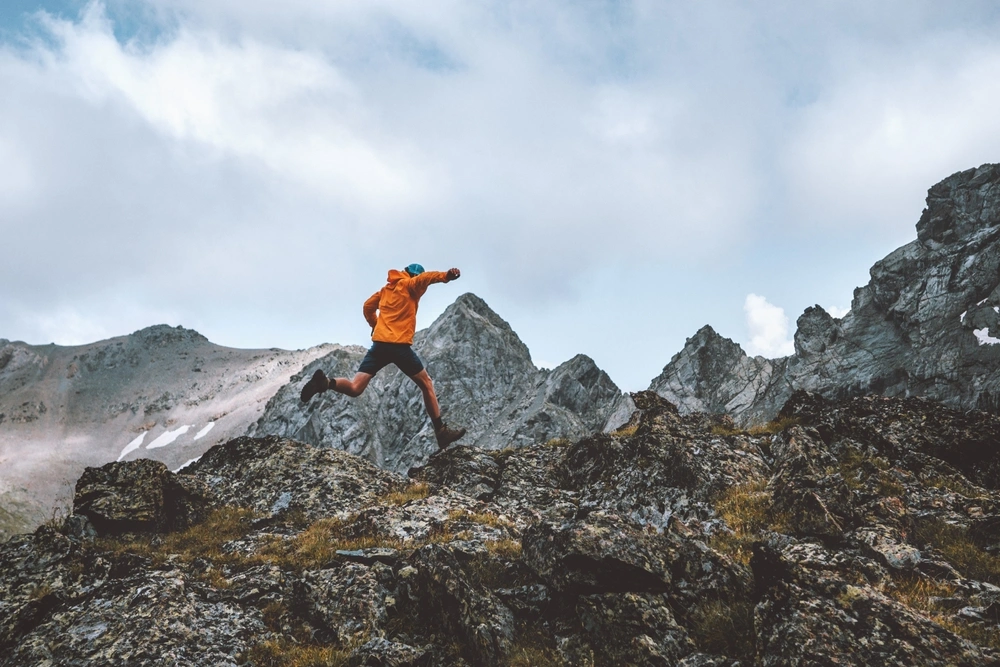
Mental Preparation Strategies
Goechala Trek puts your mental strength as well as physical strength to test. The attitude is very vital in order to succeed.
“Peak of mountains are not accomplished by aggressive acts, but acts of patience and persistence.” This is to be the Philosophy of your mind to the Goechala Trek.
Visualization Techniques Take some time to visualize accomplishments of difficult passages. Imagine the situation, when you will have to fight with adverse weather conditions, overcome fatigue, and be positive all the way down.
Stress Management Practice breathing exercises and meditation to build a set of tools coping with stress and anxiety when times are hard on the Goechala Trek.
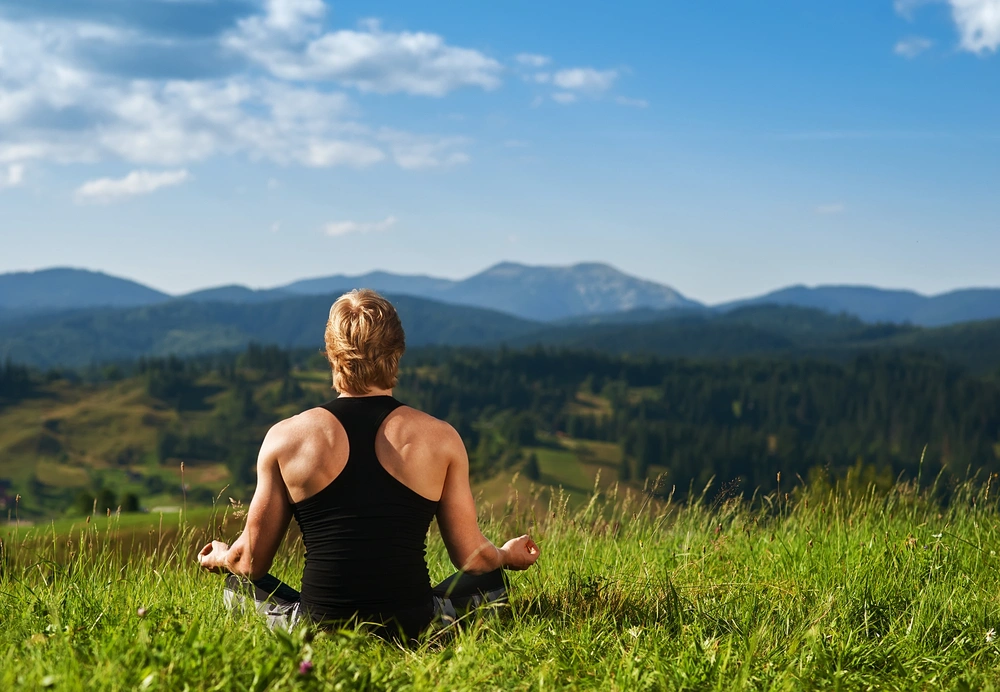
Smart Training and Fitness Tips
Going on a Goechala Trek is an activity that needs a logical preparation that develops your strength gradually and without damaging you.
Progressive Training Schedule
| Training Phase | Duration | Focus Areas | Key Activities |
| Base Building | Weeks 1-4 | General fitness | Easy hikes, basic cardio |
| Strength Phase | Weeks 5-8 | Muscle building | Weight training, hill repeats |
| Endurance Phase | Weeks 9-12 | Stamina building | Long hikes, back-to-back training |
| Peak Phase | Weeks 13-16 | Trek simulation | Loaded backpack hikes, altitude training |
Hiking-Specific Training
Weekend Warrior Approach Plan is a gradual weekend hiking program that provides conditions, similar to those of Goechala Trek. Begin with 4-6 hours hikes and then go to 8-10 hour hikes with a loaded pack.
Backpack Training Practice Day hiking with a weighted backpack beginning 8 weeks prior to your Goechala Trek. Start off between 10-15 kg and build up slowly towards your anticipated trek weight.
Stair Climbing Workouts To add stair climbing in your exercise regimen do so 3-4 times weekly. This is a specific strengthening exercise which focuses on the set of muscles involved when walking straight up a hillside on the Goechala Trek.
Recovery and Injury Prevention
Active recovery days gentle yoga on rest days, swimming or walking is used in order to move and avoid stiffness.
Stretching Routine Come up with an overall stretching routine that targets hip flexors, hamstrings, calves, and IT bands as all these areas are essential to Goechala Trek success.
Strategic Packing and Gear Selection Tips
Your Goechala Trek is quite dependent on the right equipment. Smart packing is the strategy of essential safety, and this is weight contingent.
Layering System Mastery
To understand the layering system is very important for the Goechala Trek temperature fluctuations.
Base Layer Strategy Select synthetic or Merino wool clothing that is moisture-wicking. Never wear cotton because it absorbs the moisture and becomes useless as far as insulation is concerned.
Insulation Layer Choice Down jackets will give you great warmth to weight, whereas synthetic insulation will be more effective when wet. Look at the weather in advance of your particular Goechala Trek dates.
Shell Layer Prerogative Buy an expensive breath-able, waterproof shell coat. It is an outer layer that will keep you safe against wind, rain and snow during Goechala Trek.
Footwear Optimization
Boot Selection Criteria
- Waterproof activity: imperative in the crossing slice of water and in wet situations
- Ankle support: Crucial for uneven terrain and heavy backpack loads
- Sole grip: Aggressive tread patterns for various surfaces
- Comfort fit: Proper sizing with room for thick socks
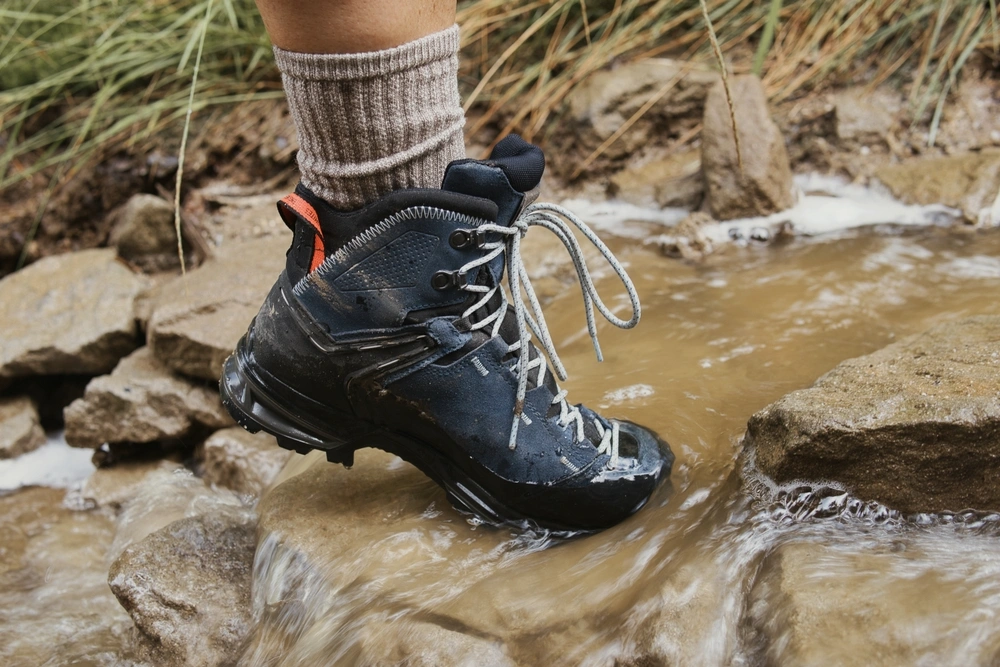
Sock Strategy Pack a few pairs of moisture- wicking cushioned hiking socks. And think liner socks, so as to avoid blisters on the long Goechala Trek days.
Weight Management Tips
Nice-to-Have vs. Essential It is a one-gram-makes-a-difference trek to Goechala. Take a harsh look at the necessity of each item and seek to find multi-use one gear.
Group Gear Share with other trekkers Gear like first aid, water purification tablets, and repair kits to help cut down the weight of each pack.
On-Trail Strategies for Success
Goechala Trek is essentially an enjoyable tour to undertake once you start trekking. But there are certain techniques to ensure that you are successful and also enjoy the trek.
Pacing and Energy Management
The days of the Goechala Trek never take you up more than 70 percent of your total strength. Such conservative strategy helps avoid getting tired early, and retaining the energy in reserve to be used in the problems.
The Rest Step Technique applies the rest step technique to steep sections: stop for a moment with each step moving your weight to the back leg and letting your front leg to rest a bit.
Breathing Rhythm Train yourself to a breathing pattern that matches your hiking pace. Goechala Trek has a very high altitude that requires attention to the respiratory system techniques.
Hydration and Nutrition Strategies
| Altitude Range | Water Intake | Nutrition Focus | Timing |
| 5,000-8,000 ft | 2-3 liters/day | Balanced meals | Regular intervals |
| 8,000-12,000 ft | 3-4 liters/day | High carbs, moderate protein | Every 2 hours |
| 12,000+ ft | 4-5 liters/day | Easy-to-digest foods | Small, frequent meals |
Electrolyte Balance Electrolyte replacement needs to be taken seriously in the Goechala Trek. Before exercising follow electrolyte tablets or sports drinks and keep the mineral balance.
Snack Strategy Pack consists of nuts, dried fruits, energy bars, and chocolate as superfast sources of energy in Goechala Trek.
Navigation and Trail Awareness
Be Aware of the Circumstances The weather may vary at a high rate in the Goechala Trek. When problems arise, be ready to adjust to it.
Group Communication Be in constant communication with your contingent and leaders. There is no place for heroics and splitting up in the Goechala Trek.
Altitude Acclimatization and Safety Tips
Proper acclimatization is perhaps the most critical factor for Goechala Trek success. Understanding and respecting altitude physiology can prevent serious complications.
Acclimatization Principles
Slowly and Upwards A slow pace, ascent and lower level of rest, is the golden rule of the Goechala trek. This does not imply that you cannot day-hike to altitudes higher than that at which you sleep but during the day you need to sleep as low as you can.
Acclimatization Days There is no harm adding a few acclimatization days on to your Goechala Trek itinerary. These rest days will make your body get used to the higher altitude and lower chances of getting altitude sickness.
Drinking More Water Hydration during acclimatization will make your body more comfortable at high altitude. Urinating is one of the indicators of proper hydration, aimed at achieving clear or light coloured URINE during Goechala Trek.
Altitude Sickness Recognition
Mild Symptoms
- Headache
- Nausea
- Fatigue
- Dizziness
- Loss of appetite
Serious Warning Signs
- Excruciating headache that no medicine helps in relieving
- Vomiting
- Confusion or disorientation
- Difficulty breathing at rest
- Loss of coordination
“When in doubt, descend.” This is one easy rule that will help you save your life on the Goechala Trek. Altitude sickness symptoms should never be ignored and one should never attempt to power through them.
Emergency Preparedness
Communication Devices Take a satellite communicator or emergency beacon, in areas with no cell reception during the Goechala Trek.
Basic first aid knowledge is a very worthy investment to Goechala Trek. Learn to handle the minor casualties such as a sprain, cuts and altitude sickness.
Emergency Evacuation Plan Know the evacuation measures and be sure you have proper insurance cover in case of high altitude rescue missions.
Weather and Timing Optimization
The success of the Goechala trek to a great extent is dependent on weather and timing of your adventure.
Seasonal Considerations
Spring Season Advantages (March-May)
- Rhododendron blooms create spectacular scenery
- Moderate temperatures during the day
- Clear mountain views
- Longer daylight hours for the Goechala Trek
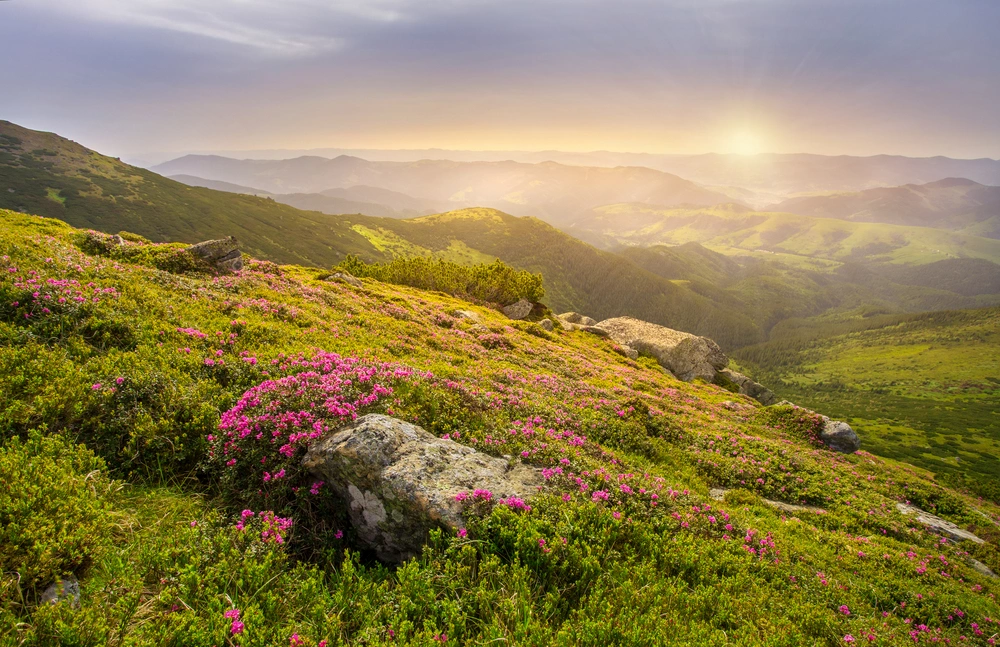
Autumn Season Benefits (September-November)
- Crystal-clear mountain vistas
- Stable weather patterns
- Comfortable trekking temperatures
- Post-monsoon fresh air quality
Weather Monitoring Strategies
Pre-Trek Weather Analysis Study weather patterns for your Goechala Trek dates at least 2 weeks in advance. Look for high-pressure systems that typically bring stable conditions.
Daily Weather Assessments Start each day of the Goechala Trek with a weather evaluation. Cloud formations, wind patterns, and temperature changes can indicate incoming weather systems.
Flexibility Planning Build flexibility into your Goechala Trek schedule to accommodate weather delays. Having buffer days can mean the difference between success and disappointment.
Gear for Weather Contingencies
Rain Protection Even during dry seasons, the Goechala Trek can experience sudden weather changes. Pack reliable rain gear including jacket, pants, and pack cover.
Cold Weather Preparation Temperatures can drop significantly at high altitudes. Ensure your gear is rated for conditions 10-15 degrees colder than forecast.
Post-Trek Recovery and Reflection
Successful completion of the Goechala Trek doesn’t end at the trailhead. Proper recovery and reflection maximize the benefits of your adventure.
Physical Recovery Strategies
Immediate Post-Trek Care
- Gradual return to normal activity levels
- Continued hydration and nutrition focus
- Gentle stretching and mobility work
- Adequate sleep for recovery
Long-term Health Benefits The Goechala Trek provides lasting fitness improvements and confidence that extend far beyond the adventure itself.
Experience Documentation
Journal Keeping Take notes (Journal) of your personal experiences, adventures and victories of your Goechala Trek. This document is precious as a thing of the past, and as an adventure of one’s self.
Photo Organization Save and share your Goechala Trek photos to remind the memory of the experience there and inspire someone to go on his/her adventures.
Skill Development
Lessons Learned What were the highlights of the journey, and what would one suggest being better the next time? Every adventure in Goechala Trek is a lesson when one continues with adventures.
Conclusion
Overcoming the Goechala Trek does not only involve the level of physical fitness but it has to do with overall preparation, intelligent planning and utmost respect towards the mountains. This entire hiking guide has offered you the vital dos and don ts as well as purposes that you must watch out for in order to ensure that your Goechala Trek ceases to be a bad experience but rather becomes a triumphant and fulfilling one.
Goechala Trek can also be successful with the help of knowing that each detail is important. Whether it is the months you spend preparing physically or stepping on the path of the trail on that first day, every decision and action plays a part in your general experience. The tips described in this Guide to Goechala Trek have more than a decade of personal experience and earned wisdom of successful trekkers.
Keep in mind that setting a foot at the pass is not the only aim of the Goechala Trek, it is the process of getting there, as the personal evolution and the memories you would gather on the way. The top is merely a half way house. The actual success is to come down successfully.” This mindset will make you concentrate on the whole experience and not the final point.
When you get ready for your Goechala Trek adventure, be confident of what lies ahead. The mountains will push you to your limits and where you may not know your personal strengths can be realized. By following directions, clever ideas, and operating with environmental awareness, your journey in Goechala would have been one of the most life changing experiences of your life.
Apply these tips into practice today, and start at least on the trail of conquering one of the most breathtaking high-altitude escapes in India. Goechala Trek is coming, and you are now set to face the challenges that it presents through the proper preparations.
Frequently Asked Questions (FAQ)
Q1: How difficult is the Goechala Trek compared to other Indian treks?
A: Goechala Trek can be described as moderately hard or challenging that can be rated on the same level as the Roopkund Trek or Hampta Pass. It needs good physical shape and good acclimatization and experience in hiking in several days. It is at a high altitude and comes with different terrain which makes it a tad more challenging compared to other beginner treks such as Valley of Flowers.
Q2: What’s the most important tip for first-time Goechala Trek participants?
A: The third and the most important trick to the success of Goechala Trek is acclimatization. Take rest days seriously, and learn to respect your body feelings and never hurry up the climb. Most novice trekkers overlook the significance of taking the time to hike at a slow pace up to the altitude and this may result in the failure to complete the journey because of the altitude problem.
Q3: Can I complete the Goechala Trek without prior high-altitude experience?
A: Although previous high altitude experience helps, you do not need it for Goechala Trek. Nevertheless, you will have to be in top physical shape, be familiar with the symptoms of altitude sickness and be willing to train adequately. It is a good idea to initially get some lower altitude hiking experience in order to develop experience and confidence.
Q4: What’s the biggest mistake people make on the Goechala Trek?
A: The most common is the lack of physical fitness and the mistaken belief that the mental stress is not that serious. Most of the trekkers spend time preparing only their cardio fitness but fail to engage in strength training, gear up and psychological preparedness. Extensive preparation in every aspect is required in the Goechala Trek.
Q5: How can I improve my chances of clear mountain views during the trek?
A: To get the best sights as you trek to Goechala, be sure to go on your adventure in prime seasons (March-May or September-November) and on your trek days get out early (ideal when visibility is improved) and be ready to wait out the weather conditions. Going to Goecha La pass is worth organizing your whole itinerary around the sunrise views.