Introduction
The Goechala Trek stands as one of India’s most spectacular high-altitude adventures, offering trekkers an unforgettable journey through the pristine landscapes of Sikkim. This Guide to Goechala Trek will take you through everything you need to know about this incredible expedition that leads you to the base of the world’s third-highest peak, Mount Kanchenjunga.
Goechala Trek is in the midst of the Eastern Himalaya, and it is not only a trip to the mountains but rather a pilgrimage that embroils the greater natural beauty, rich culture, and rigorous terrain. No matter whether you are an old-time trekker or a person who wants to challenge himself, this trek will give you an experience that will never be forgotten.
“The mountains are calling, and I must go” – this is the well known saying by John Muir, which can perfectly encompass what makes thousands of trekkers go to Goechala every year. It will lead you through very different ecosystems: dense rhododendron forests, blazing summer meadows, and stunningly beautiful mountains with some of the highest peaks of the world.
What is the Goechala Trek?
The Goechala Trek is high or rather high altitude trek in West Sikkim that covers Goecha La pass which is located 16,200 feet (4,940 meters). The trek is of about 90 kilometers that takes about 10-12 days and starts at Yuksom and finishes at the same point. It is also a roundabout trail with trekkers getting a chance to see the magnificent massif of Kanchenjunga from close quarters.
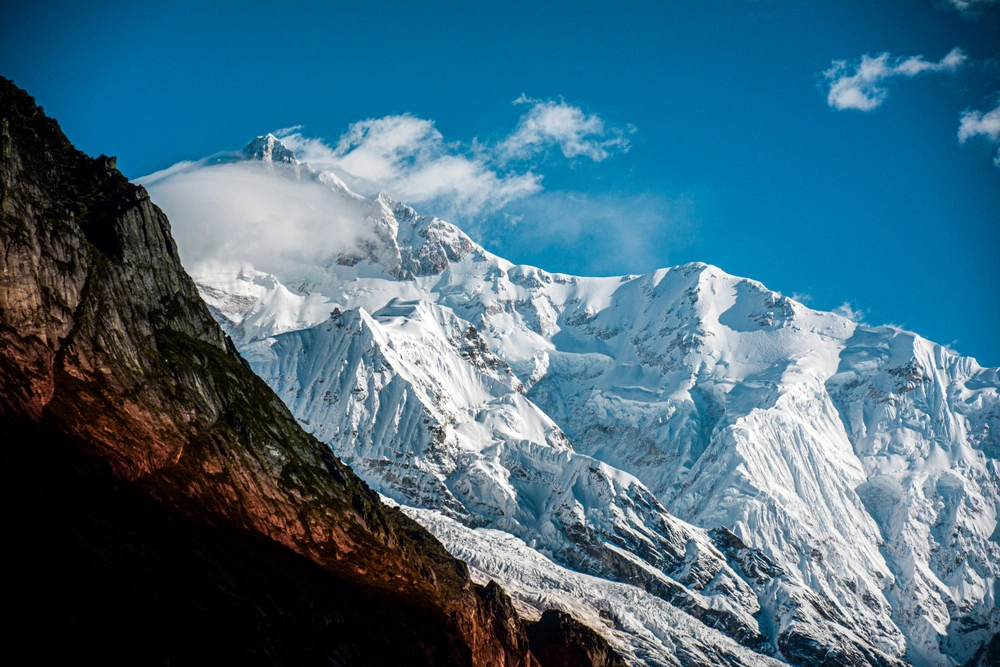
In the local Lepcha language, the word “Goecha” in the mountain means “Holy” and the word “La” means “Pass”. As the name suggests, the pilgrimage is sacred to the local communities and the whole experience is a pilgrimage to some of the most untouched wilderness regions in the Indian Himalayas.
Key Highlights of the Trek
- Stunning mountain views: Close-up views of Kanchenjunga, Pandim, and other towering peaks
- Diverse flora and fauna: Rhododendrons, blue poppies, red pandas, and various Himalayan wildlife
- Cultural immersion: Interaction with local communities and Buddhist monasteries
- Challenging terrain: A perfect blend of gradual ascents and technical sections
- Sacred lakes: Visit to the holy Samiti Lake
Best Time to Visit
Goechala is a trek which can be performed during particular seasons of the year, when weather supportable and also Goechala trek trail goes to the trail. It’s essential to know the seasonal changes for a successful trip.
Spring Season (March to May)
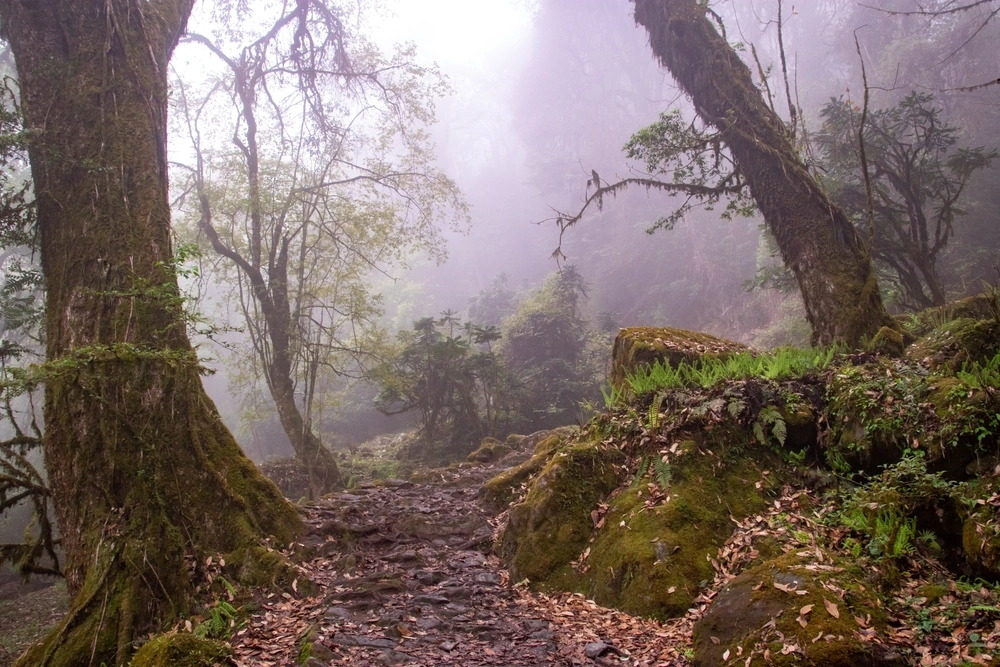
One can say that Spring is probably the best period to do the Goechala Trek. The weather is usually clear and the famous rhododendron plants in full bloom make a splendidly colorful carpet in the trail. The climate is moderate with both the day and night temperatures of 5-15 o C.
Autumn Season (September to November)
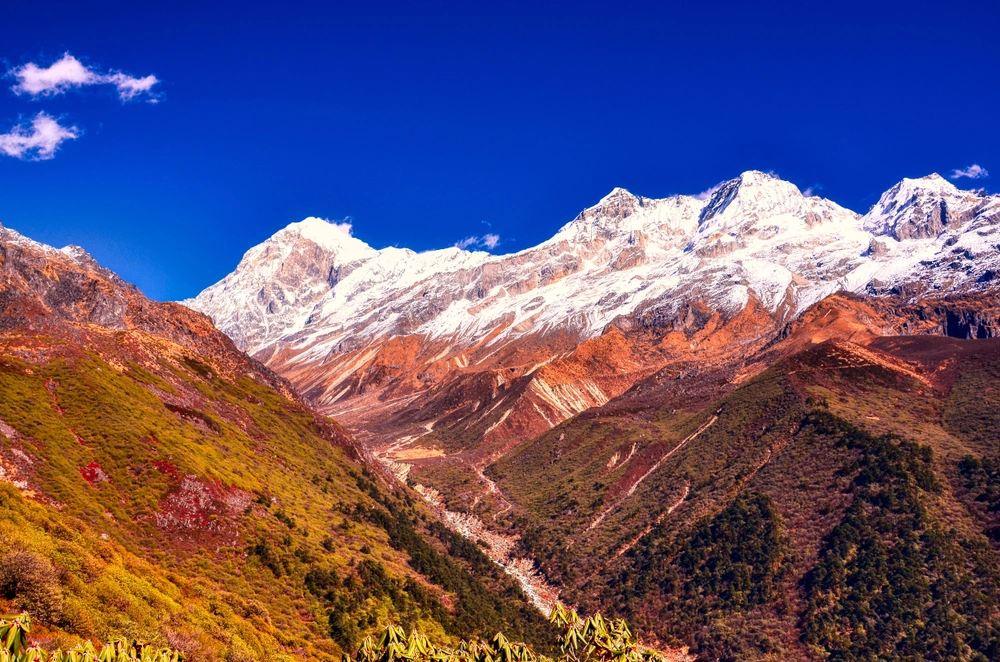
The autumn is post-monsoon and has clear views of mountains and the weather is stable. This is the juncture time to go to the Goechala trek and it is a great time since the temperature is 0+ to 10+C. The skies are clear giving good visibility of other peaks.
Avoid These Seasons
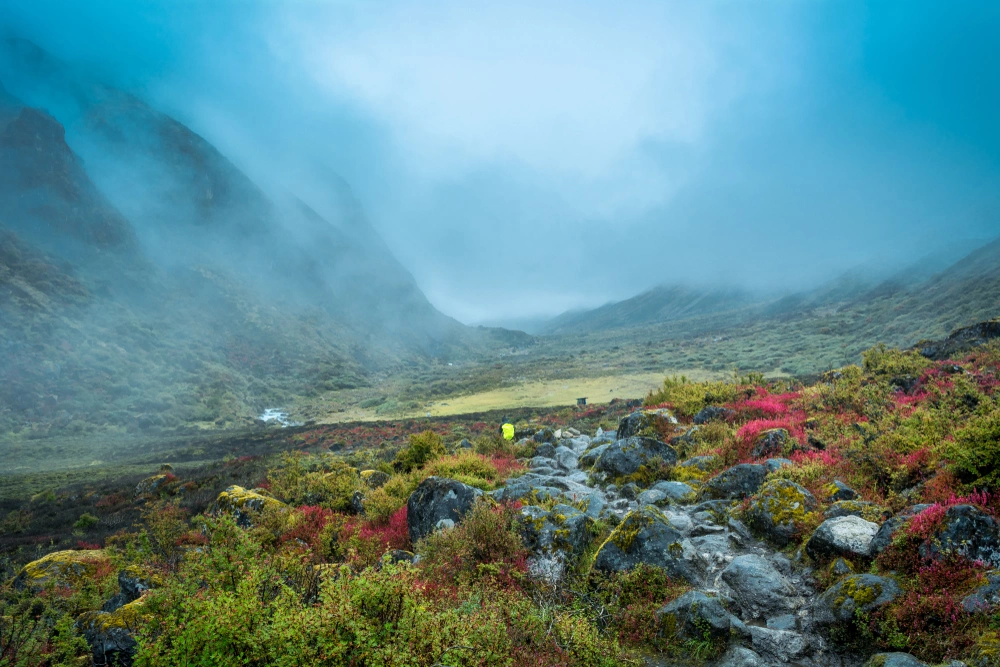
- Monsoon (June to August): Heavy rainfall makes the trail dangerous and slippery
- Winter (December to February): Extreme cold and heavy snowfall make the trek nearly impossible
Trek Route and Itinerary
This Info of Goechala Trek is a Trekker in Detail guide and a day to day itinerary in details that will make you aware of what you will undergo by the day on your trek.
| Day | Route | Distance | Altitude | Difficulty |
| 1 | Arrival in Yuksom | – | 5,643 ft | Easy |
| 2 | Yuksom to Sachen | 5 km | 7,200 ft | Easy |
| 3 | Sachen to Tshokha | 8 km | 9,701 ft | Moderate |
| 4 | Tshokha to Dzongri | 8 km | 13,020 ft | Moderate |
| 5 | Dzongri to Thansing | 8 km | 12,900 ft | Moderate |
| 6 | Thansing to Lamuney | 7 km | 13,700 ft | Difficult |
| 7 | Lamuney to Goecha La to Thansing | 12 km | 16,200 ft | Very Difficult |
| 8 | Thansing to Tshokha | 16 km | 9,701 ft | Moderate |
| 9 | Tshokha to Yuksom | 13 km | 5,643 ft | Easy |
Day-by-Day Breakdown
Day 1: Arrival in Yuksom Your Goechala Trek adventure begins in the historic town of Yuksom, the first capital of Sikkim. Spend the day acclimatizing, exploring the local monastery, and preparing for the days ahead.
Day 2-3: Initial Ascent The initial two days go through hilly dense forests having rhododendron and magnolia and a variety of birds. The path is clearly marked and presents some glimpses of what the future entails.
Day 4-5: Reaching Base Camps These days are crucial for acclimatization. Dzongri offers the first spectacular views of Kanchenjunga, while Thansing serves as the staging point for the final push to Goecha La.
Day 6-7: The Summit Push The most complex section of the Goechala Trek is the one where a person has to reach the highest point. The dawn departure point is Lamuney to guarantee a sunrise view of the Kanchenjunga massif once you get to Goecha La.
Difficulty Level and Fitness Requirements
Goechala Trek is a moderate to difficult trek, which needs good physical fitness and preparation of mind. Being familiar with the difficulties makes it easier to get ready accordingly to face this challenging adventure.
Physical Fitness Requirements
- Cardiovascular stamina: Patient can walk 6-8 hours a day
- Brutto: Forte group of quadriceps and calf muscles for big breaks up and down
- Core stability: Essential for maintaining balance on uneven terrain
- Mental toughness: Ability to push through fatigue and altitude challenges
Training Recommendations
“It is true that preparation is a key to success in the mountains rather than bravery.” This philosophy should guide your training regime for the Goechala Trek.
- Start training 3-4 months before: Build endurance gradually
- Include cardio exercises: Running, cycling, and swimming
- Strength training: Focus on legs, core, and back muscles
- Practice hiking: Weekend hikes with a loaded backpack
- Altitude simulation: If possible, train at higher elevations
Essential Gear and Packing List
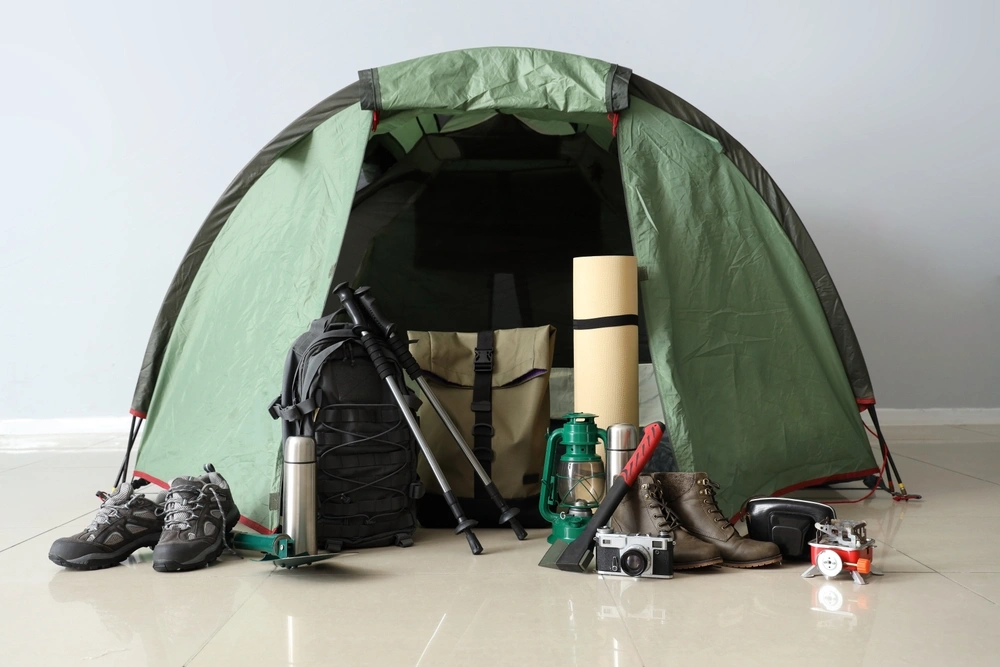
Suitable equipment will either improve or ruin your Goechala Trek experience This thorough packing list will help you be ready at all times in regard to weather conditions and terrain.
| Category | Essential Items | Optional Items |
| Clothing | Thermal wear, fleece jacket, waterproof jacket, trekking pants, warm hat, gloves | Extra layers, spare gloves |
| Footwear | Trekking boots, camp shoes, wool socks | Gaiters, extra socks |
| Gear | Sleeping bag (-15°C), daypack, headlamp, sunglasses, sunscreen | Trekking poles, camera |
| Personal | First aid kit, water bottles, toiletries, medications | Books, games |
Specialized Equipment
- Sleeping bag: Must be rated for -15°C to -20°C temperatures
- Trekking boots: Waterproof, ankle-high boots with good grip
- Multi-layer clothes set: Base, middle, and fabrics clothing
- Headlamp: With extra batteries for early morning starts
Permits and Regulations
Goechala Trek entails certain restrictions of special permits and the observing of the local regulation. It is necessary to be aware of these requirements so that one can have a good trek.
Required Permits
- Inner Line Permit ( ILP ): Mandatory for Non-Sikkimese visitors.
- Restricted Area Permit (RAP): Additional permit for the Goecha La region
- Trekking Permit: It is provided by the Sikkim Tourism Department
Permit Process
- Apply in advance: Permits can take 2-3 weeks to process
- Documentation needed will be: passport photograph, ID verification and medical verification
- Group requirements: Minimum 2 people required for permits
- Guide mandatory: All trekkers must be accompanied by certified guides
Accommodation and Food
So that your visit to Goechala Trek can be planned out well, it is necessary to know about accommodation and food facilities. The trek is accompanied by basic but comfortable accommodation facilities en route and the necessities that one requires.
Accommodation Options
Trekking Huts: Simple type washer-like dormitories with common bathrooms Pitch tents: It is necessary to have tents Camping: In a few places camping is necessary with the help of proper tent Homestays: Homestays are available in Yuksom and in some villages
Food Arrangements
The Goechala Trek offers simple but nutritious meals prepared by local cooks:
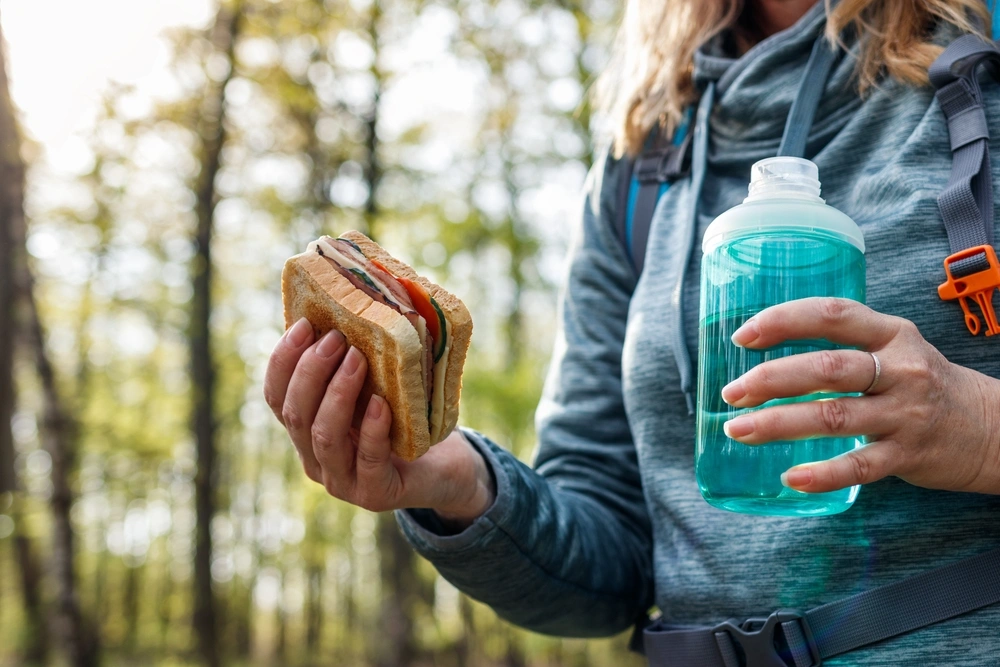
- Breakfast: Porridge, eggs, bread, and hot beverages
- Lunch: Rice, dal, vegetables, and local preparations
- Dinner: Similar to lunch with additional protein options
- Special considerations: Inform about dietary restrictions in advance
Safety Tips and Precautions
The Goechala Trek should be as safe as possible. By adhering to these instructions, one will be able to spend a safe and amusing time.
Altitude Sickness Prevention
The most important rule of Risk is a simple “climbing high and sleeping low”.
- Gradual gain: Don’t try to do it all in one climb
- Remain hydrated: Have as much water as possible all day long
- Watch out for signs: Abdomen pain, vomiting and headaches are the telltale.
- Go down when it is needed: Do not disregard the serious symptoms of altitude sickness
General Safety Guidelines
- Read guide instructions: Guides are locals who are familiar with the terrain and the way the weather behaves.
- Always travel in a group: Never go it alone on the trail
- Weather awareness: Be prepared for sudden weather changes
- Emergency numbers and satellite phones: Take emergency phone numbers and satellite phone
Cost and Budget
The information regarding the cost structure makes your Goechala Trek budget tolerable to plan before. The prices vary with the time of the year, a number of individuals and service providers.
Cost Breakdown
| Expense Category | Cost Range (INR) | Notes |
| Permits | 3,000 – 5,000 | Depends on nationality |
| Guide/Porter | 15,000 – 25,000 | For the entire trek |
| Accommodation | 200 – 500 per night | Basic facilities |
| Food | 300 – 600 per day | Three meals included |
| Transportation | 5,000 – 10,000 | To/from Yuksom |
| Gear Rental | 2,000 – 5,000 | If needed |
| Total Cost | 35,000 – 60,000 | Per person |
Money-Saving Tips
- Book in advance: Early bookings often get discounts
- Group bookings: Larger groups can negotiate better rates
- Carry own gear: Reduces rental costs significantly
- Off-season travel: Shoulder seasons offer lower prices
How to Book Your Goechala Trek
Booking your Goechala Trek requires careful planning and selection of appropriate service providers.
Choosing a Trek Operator
- Research thoroughly: Check reviews and certifications
- Verify permits: Ensure the operator handles all necessary permits
- Safety record: Inquire about their safety protocols and emergency procedures
- Group size: Smaller groups offer better experience
- Guide qualifications: Ensure guides are certified and experienced
Booking Process
- Contact multiple operators: Compare services and prices
- Deposit requirements: Usually 25-50% advance booking
- Cancellation policy: Understand terms and conditions
- Insurance: Ensure adequate travel and medical insurance
Conclusion
Goechala trek is one of the most exceptional high-altitude treks of India and a rewarding journey of the trekkers, who want to explore the Eastern Himalaya. There has been the entire adequacy of this Guide to the Goechala Trek to ensure that all major details of Goechala trekking and himalayan trekking are covered to the best possible extent.
All parts of the journey of the Goechala Trek are significant, starting with preparation and planning the process up to the descent back to the Yuksom village. The trek makes you work physically and mentally but gives you the reward of the most stunning mountain scenes on the planet.
“Mountains have a way of dealing with overconfidence” – This is the best wisdom that can be applied in the Goechala trek. The right planning, consideration to the environment, and standards of safety make up a successful journey and a memory of a lifetime that will be treasured, distorted of course, but recalled.
If you are a person who wants personal challenge, natural beauty and spiritual fulfillment then the Goechala Trek provides all these and much more. It is not a trip only to the destination but to discover your skills and bond with nature.
The Goechala Trek is an experience that you need to plan now and experience once to change your outlook of adventure tours and have once in a lifetime memories.
Frequently Asked Questions (FAQ)
Q1: What is the best time to attempt the Goechala Trek?
A: The Goechala Trek is best experienced during spring (March to May) and autumn (September to November) that is when the weather is best and the mountains look the brightest.
Q2: Do I need prior high-altitude trekking experience?
A: While prior experience is beneficial, it’s not mandatory. However, good physical fitness and mental preparation are essential for completing the Goechala Trek successfully.
Q3: What permits are required for the Goechala Trek?
A: The documents required are an Inner Line Permit (ILP), Restricted Area Permit (RAP) and a trekking permit. The pricing of these is normally taken care of by your trek operator
Q4: Can I do the Goechala Trek solo?
A: No, there is no trekking alone allowed. Goechala Trek needs a minimum of 2 people and has to have certified guides.
Q5: What is the success rate of the Goechala Trek?
A: Depending upon weather conditions, fitness of the trekkers and successful acclimatization, the success rate is 70-85 per cent.
Q6: Are there any age restrictions for the trek?
A: Trekking is done mostly by people between the ages of 16-65, but this is subject to fitness and medical clearance in special cases.
Q7: What happens in case of bad weather?
A: The trek can be altered or/and cancelled in case of bad weather. Safety always comes first during Goechala Trek.
Q8: Can I rent trekking gear in Yuksom?
A: Yes, basic trek gear can be rented in Yuksom but it is better to carry your own gear for better comfort and reliablity.
Q9: Is there mobile network coverage on the trek?
A: There are also low mobile connections, which exist in parts of the Goechala Trek. And do not use mobile phones in case of emergency communications.
Q10: What should I do if I experience altitude sickness? A: Inform your guide immediately, rest, stay hydrated, and descend if symptoms worsen. Never ignore altitude sickness symptoms during the Goechala Trek.