Standing tall at 11,929 feet, Sandakphu Trek offers one of the most spectacular mountain views in India. Located on the border between India and Nepal, this highest peak in West Bengal provides breathtaking panoramas of the world’s tallest mountains, including Mount Everest, Kanchenjunga, Lhotse, and Makalu. The Sandakphu Trek is a perfect introduction to high-altitude trekking and serves as an excellent expedition in the Sikkim Himalaya region for both beginners and experienced trekkers.
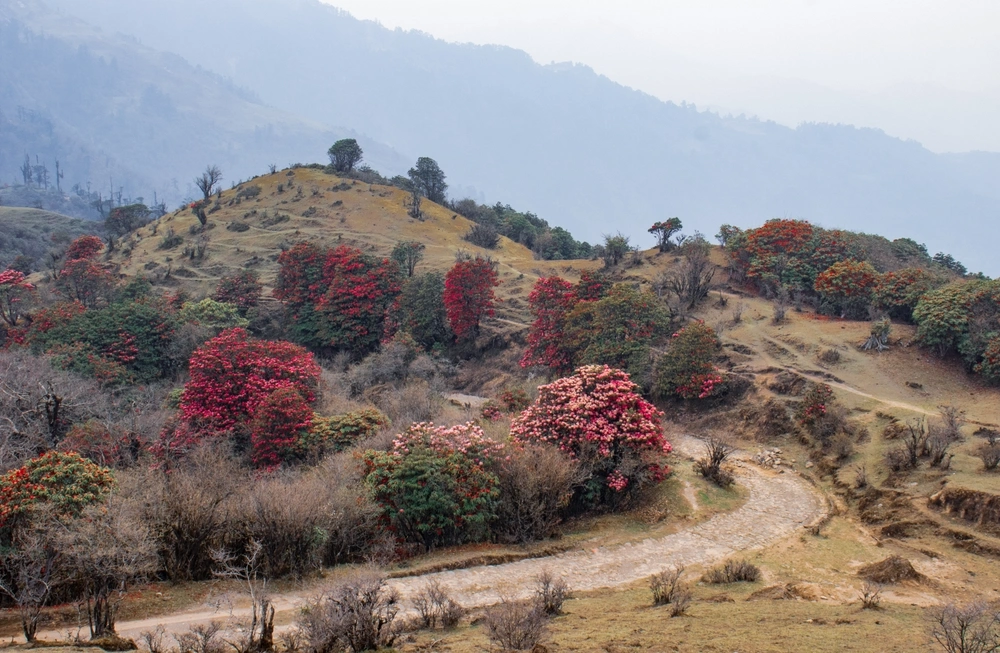
This glorious hike will bring you into the Singalila National Park and the forest of the rhododendrons shines in exotic colours in spring and transforms the Park into akin to a natural Eden. The trek is more than the vistas of mountains but includes dense biodiversity, traditional villages of the Sherpas, and true taste of the Himalayas which make thousands of adventurous people visit the destination annually.
Table of Contents
- Overview of Sandakphu Trek
- Best Time to Visit
- Trek Difficulty and Duration
- Complete Trek Itinerary
- What to Expect on the Trail
- Essential Gear and Packing List
- Accommodation Options
- Flora and Fauna
- Safety Tips and Precautions
- Cost Breakdown
- How to Reach Sandakphu
- Conclusion
- Frequently Asked Questions
Overview of Sandakphu Trek
The Sandakphu trek has taken pride in serving the best world scenario of sunrise over the Himalayan range without technicality of climbing. The trek traverses the Singalila Ridge where you obtain 360 degree panoramas of snow covered peaks throughout the trek. The route takes you through deep rhododendron forests, bamboo forests and alpine meadows, and is thus a photographer-s heaven.
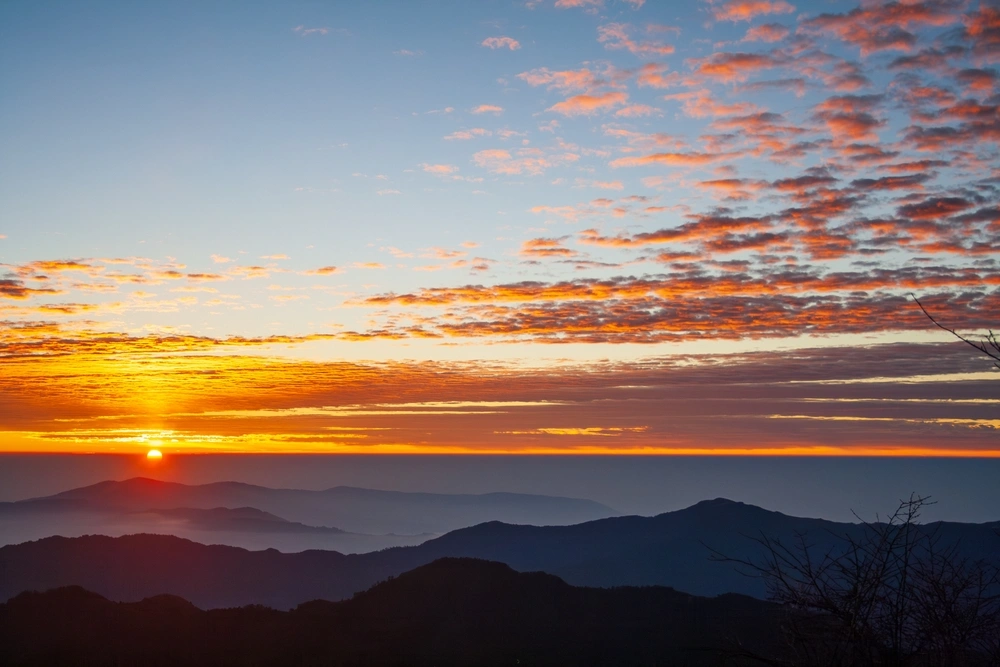
“Sandakphu is not just a trek; it’s a journey into the heart of the Himalayas where every step reveals nature’s grandeur.”
Key Highlights
- Altitude: 11,929 feet (3,636 meters)
- Trek Distance: Approximately 32 kilometers
- Trek Duration: 4-6 days
- Difficulty Level: Moderate
- Location: West Bengal-Nepal border
- Best Views: Mount Everest, Kanchenjunga, Lhotse, Makalu
Best Time to Visit
The Sandakphu Trek can be undertaken during specific seasons when weather conditions are favorable and views are clear.
Seasonal Guide
| Season | Months | Temperature | Highlights | Challenges |
| Spring | March-May | 5°C to 15°C | Rhododendron blooms, clear skies | Occasional rain showers |
| Autumn | October-December | -5°C to 10°C | Crystal clear mountain views | Cold nights, possible snow |
| Winter | January-February | -10°C to 5°C | Snow-covered landscapes | Extreme cold, limited accommodation |
Spring (March to May) is considered the best time for the Sandakphu Trek as rhododendrons bloom in full glory, painting the mountains in shades of red, pink, and white. The climate is favorable during the day-time but cold at night.
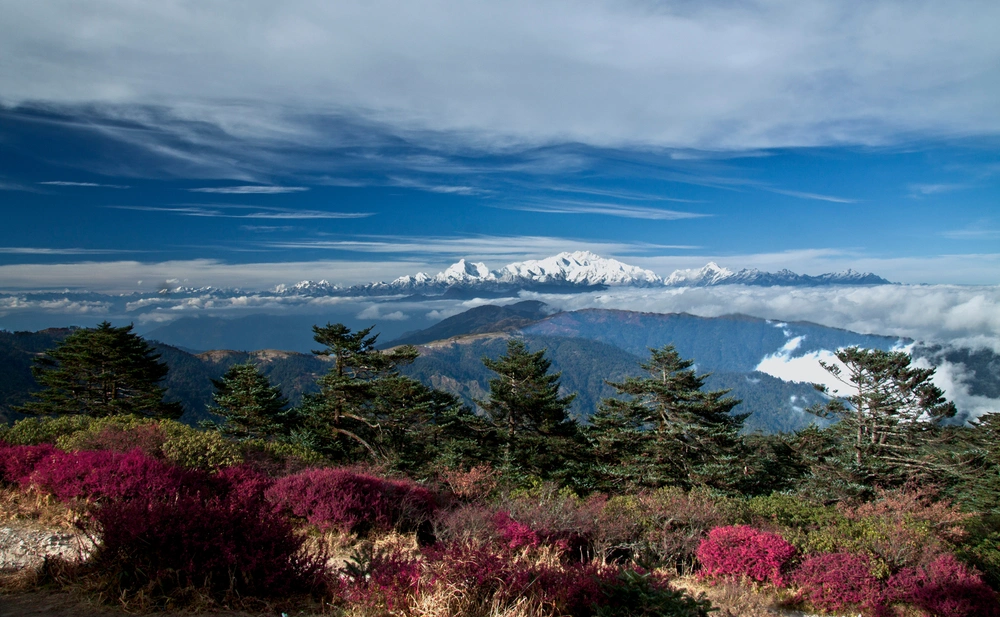
Autumn (October to December) offers the clearest mountain views with minimal cloud cover. It will be an ideal season to take a good shot of the Himalayas peaks by photography enthusiasts.
Trek Difficulty and Duration
This Sandakphu Trek falls under moderate challenge category and it is quite apt that a first timer high altitude trekkers can take up the track. The good trail does not involve any technical climbing, however, one needs to be very physically fit considering the altitude and the time of walking.
Physical Requirements
- Basic cardiovascular fitness
- Ability to walk 6-8 hours daily
- No previous high-altitude experience necessary
- Age limit: 10-65 years (with proper fitness)
Training Recommendations
Regular cardio exercises, hiking practice, and leg strengthening workouts are recommended at least 4-6 weeks before the trek.
Complete Trek Itinerary
Here’s a comprehensive day-by-day breakdown of the Sandakphu Trek:
Day 1: Manebhanjan to Chitrey (7,887 feet)
- Distance: 11 kilometers
- Duration: 5-6 hours
- Highlights: First glimpse of Kanchenjunga, traditional Sherpa villages
- Accommodation: Guesthouse or trekker’s hut
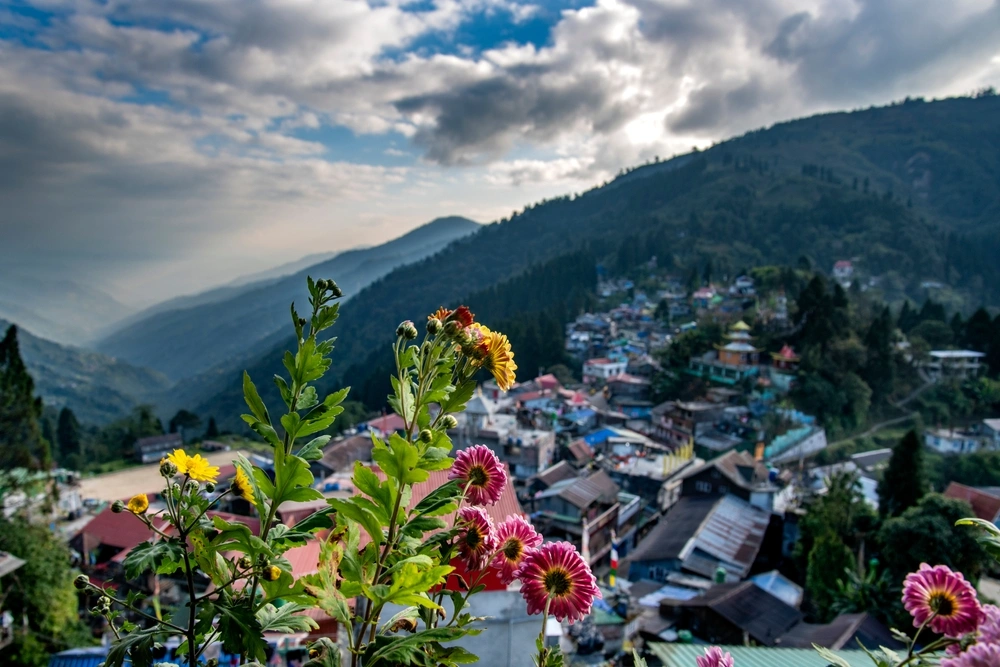
The journey starts in a small border town Manebhanjan. The first part is a motor road and slowly giving place to the forest path. You will pass along Lamaydhura and Meghma villages through the local culture and hospitality.
Day 2: Chitrey to Kalapokhri (10,200 feet)
- Distance: 8 kilometers
- Duration: 4-5 hours
- Highlights: Dense rhododendron forests, Kalapokhri lake
- Accommodation: Basic lodge
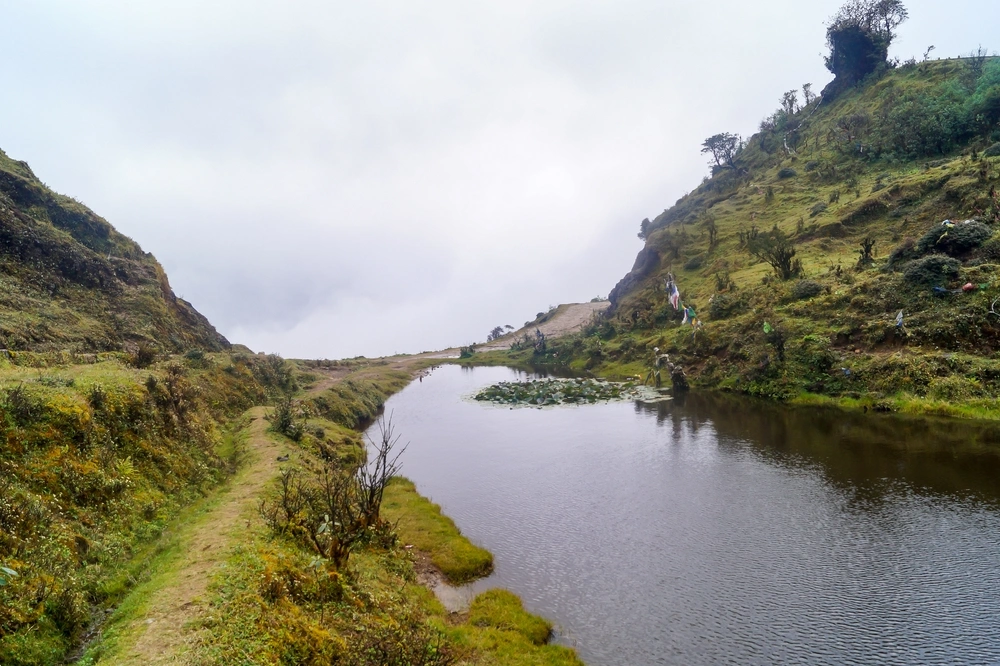
Today is a cardiovascular day as we gain a lot of altitude ascending lovely rhododendron forests. Kalapokhri, or what is called a “black lake”, is a small pond in which locals believe to be sacred. This altitude experiences a big decrease in temperature.
Day 3: Kalapokhri to Sandakphu (11,929 feet)
- Distance: 6 kilometers
- Duration: 3-4 hours
- Highlights: Reaching the summit, panoramic mountain views
- Accommodation: Trekker’s hut or tent
The final morph is literally the peak of Sandakphu and is all worth the trek. Clarity in weather brings in full view with Himalayan range and Mount Everest. Sandakphu sunrise is not to forget.
Day 4: Sandakphu to Phalut (11,811 feet)
- Distance: 8 kilometers
- Duration: 4-5 hours
- Highlights: Alternative mountain views, less crowded summit
- Accommodation: Basic shelter
Phalut offers a number of vistas to the Himalayan ranges and it is also less busy as compared to Sandakphu. It runs alongside the ridge and it has an unending scenery of mountains.
Day 5: Phalut to Gorkhey (7,546 feet)
- Distance: 12 kilometers
- Duration: 6-7 hours
- Highlights: Descent through forests, traditional village life
- Accommodation: Homestay or guesthouse
On the way down to Gorkhey village, you experience a variety of vegetation regions. It is an ancient Sherpa village which tells a lot about the culture of this region and their way of life.
Day 6: Gorkhey to Srikhola/NJP
- Distance: 8 kilometers + drive
- Duration: 3-4 hours trek + 3-4 hours drive
- Highlights: Return journey, reflection on the adventure
The last day is the descent of Srikhola and the drive to the New Jalpaiguri (NJP) or Bagdogra airport.
What to Expect on the Trail
Terrain and Path Conditions
| Section | Terrain Type | Difficulty | Special Features |
| Manebhanjan to Chitrey | Mixed road and trail | Easy-Moderate | Sherpa villages, tea gardens |
| Chitrey to Sandakphu | Mountain trail | Moderate-Difficult | Forest paths, steep climbs, altitude gain |
| Sandakphu to Phalut | Ridge walk | Moderate | Continuous mountain views, open terrain |
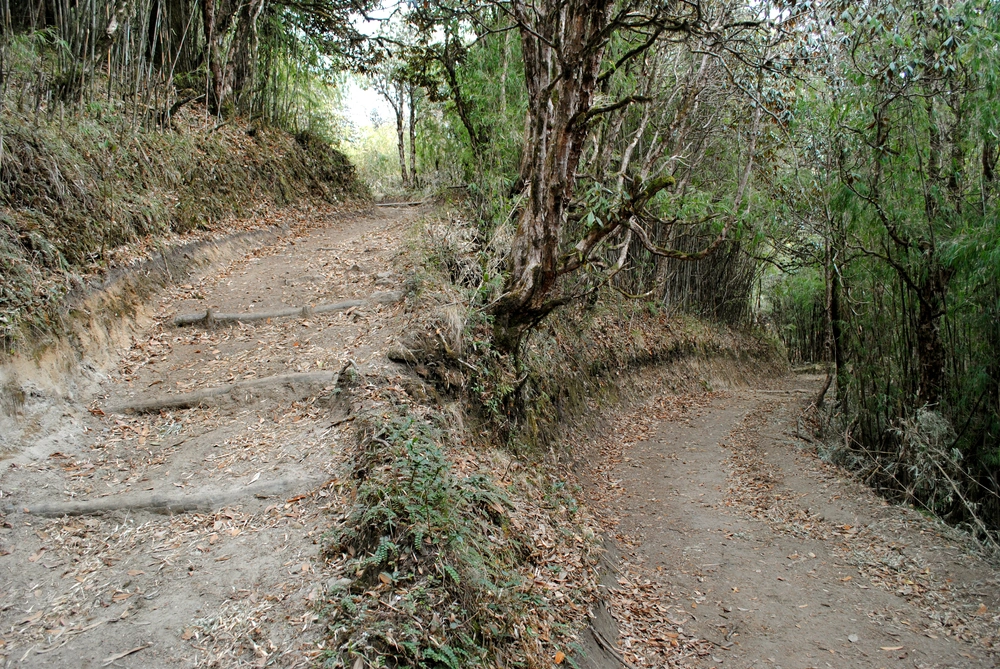
The trail of Sandakphu Trek is not much worn out and there are no shortages of markers which have been put up by authorities. However, the weather is subject to change extremely quickly, particularly during a monsoon and winter season.
Wildlife Encounters
The Singalila National Park is home to diverse wildlife including:
- Red pandas (rare sightings)
- Himalayan black bears
- Various bird species
- Blue sheep on higher altitudes
- Yaks (domesticated)
Always stay at a safe distance from wildlife and rules of the park.
Essential Gear and Packing List
Clothing Requirements
Layering System:
- Base layers (moisture-wicking thermal wear)
- Insulation layers (fleece jacket, down jacket)
- Outer shell (waterproof jacket and pants)
- Trekking pants (2-3 pairs)
- Warm hat and sun hat
- Insulated gloves
Equipment Essentials
- Trekking boots (broken-in, ankle support)
- Backpack (40-50 liters)
- Sleeping bag (rated for sub-zero temperatures)
- Trekking poles
- Headlamp with extra batteries
- Water bottles (2-3 liters capacity)
- First aid kit
- Sunglasses and sunscreen (high SPF)
Personal Items
- Personal medications
- Quick-dry towel
- Toiletries (biodegradable)
- Camera with extra batteries
- Power bank
- Cash (Indian rupees)
Accommodation Options
Types of Accommodation
Sandakphu Trek offers a variety of options to stay as per your comfort and your pocket:
Trekker’s Huts
- Basic wooden structures
- Shared dormitories
- Common dining areas
- Cost: ₹200-500 per person per night
Local Guesthouses
- Family-run establishments
- Private rooms available
- Home-cooked meals
- Cost: ₹500-1000 per person per night
Camping
- Organized campsites
- Tent accommodation
- Guided camping experience
- Cost: ₹800-1500 per person per night
During peak seasons (March-May and October-December), an on booking is advisable.
Flora and Fauna
Sandakphu trek traverses the national park of Singalila where biodiversity is rich on different levels of altitudes.
Vegetation Zones
Lower Altitudes (7,000-9,000 feet):
- Oak and chestnut forests
- Bamboo groves
- Ferns and mosses
Middle Altitudes (9,000-11,000 feet):
- Rhododendron forests (primary attraction)
- Silver fir trees
- Juniper bushes
Higher Altitudes (above 11,000 feet):
- Alpine scrublands
- Primula flowers
- Dwarf rhododendrons
Notable Wildlife Species
Elusive red pandas are also famous in the park but very sighted. Other species worth specific mention are:
- Himalayan black bears
- Leopard cats
- Martens
- Various pheasant species
- Blood pheasants
- Himalayan griffons
Safety Tips and Precautions
Altitude-Related Precautions
Acclimatization Guidelines:
- Ascend gradually (not more than 2,000 feet per day above 8,000 feet)
- Stay hydrated (3-4 liters of water daily)
- Avoid alcohol and smoking
- Recognize altitude sickness symptoms
Weather-Related Safety
The Himalayan weather can change rapidly. Essential precautions include:
- Carry waterproof gear
- Monitor weather forecasts
- Be prepared for temperature drops
- Never trek alone during bad weather
Emergency Preparedness
- Have emergency numbers.
- Let family/friends know travel plans
- Take out a travel insurance that has high altitude trekking insured
- Know evacuation procedures
“Your Number One priority should be safety in the mountains. No panorama is so good that it is worth risking your life.”
Cost Breakdown
Budget Estimation
| Category | Budget Option | Mid-Range | Premium |
| Transportation | ₹2,000-3,000 | ₹3,000-4,000 | ₹4,000-6,000 |
| Accommodation | ₹1,500-2,500 | ₹3,000-4,500 | ₹5,000-8,000 |
| Food | ₹1,500-2,000 | ₹2,000-3,000 | ₹3,000-4,000 |
| Permits & Fees | ₹500-800 | ₹500-800 | ₹500-800 |
| Guide/Porter | ₹2,000-3,000 | ₹3,000-4,000 | ₹4,000-6,000 |
| Total per person | ₹7,500-11,300 | ₹11,500-16,300 | ₹16,500-25,800 |
The prices might change depending on the number of the participants, season, and special needs.
Money-Saving Tips
- Travel in groups to reduce per-person costs
- Book accommodations in advance
- Carry your own gear to avoid rental costs
- Choose shoulder seasons for lower prices
How to Reach Sandakphu
Transportation Options
By Air:
- Nearest Airport: Bagdogra Airport (IXB)
- Distance to Manebhanjan: 68 kilometers
- Flight connections: Delhi, Mumbai, Kolkata
By Train:
- Nearest Railway Station: New Jalpaiguri (NJP)
- Distance to Manebhanjan: 67 kilometers
- Darjeeling Himalayan Railway (toy train) available from NJP to Darjeeling
By Road:
- Regular buses and taxis available from Siliguri
- Private vehicle rental options
- Shared jeeps from Darjeeling to Manebhanjan
Last Mile Connectivity
Officially starting the trek is Manebhanjan. It has local jeeps if people prefer to drive part of the way up the mountain but should be encouraged to walk the whole route to allow them to acclimatise.
Conclusion
Sandakphu Trek is among the most popular, yet the most visitable treks in Sikkim Himalaya. The amazing trip to the summit of West Bengal attracts trekkers to a unique chance to see the tallest mountains in the world and at the same time enjoy the world’s abundant biodiversity of Singalila National Park.
Sandakphu Trek promises the best of both worlds whether you just want to get the first high-altitude trekking experience or even get a new adventure to put in your list of memorable adventures. All this coupled with spectacular mountain scenery, varying scenery, cultural interaction, and medium difficulty makes it a perfect option among adventure seekers.
The images of the sunrise view of Mount Everest, passing through rhododendron-blossom, seeing in detail the turmeric-clad Sherpa host will remain in your mind long after you have come down to the lowlands. Plan your Sandakphu Trek today and join it to embark on a journey to better capture the spirit of trekking in the Himalayas.
Remember to trek responsibly, respect local culture, and preserve the pristine mountain environment for future generations.
Frequently Asked Questions
1. What is the best time to do the Sandakphu Trek?
Sandakphu Trek can be done the best in spring (March-May) and autumn (October-December). The spring has lovely rhododendrons and good weather, whereas the autumn has the clear mountain views. Dodge monsoons (June- September) when there is immense rainfall and leeches.
2. How difficult is the Sandakphu Trek for beginners?
Sandakphu Trek falls under moderate level, and it is an avenue to beginners with minimum fitness levels. No technical skills in climbing are essential, but your cardiovascular condition must be good. The new hikers are advised to be prepared by frequent exercise and training through hikes.
3. Do I need permits for the Sandakphu Trek?
Yes, to come inside Singalila National Park, you do require permits. Indian citizens must have an entry permit that costs approximately 500-800 rupees and foreigners are likely to require more papers. Since 2005, permits have been available at Manebhanjan, or can be booked by trekking agencies.
4. Can I see Mount Everest from Sandakphu?
Indeed, Sandakphu peak provides a clear view of Mount Everest on a clear day but more so during dawn. The greatest mountain in West Bengal offers a pantry-like view of the four tallest mountains in the globe: Everest, Kanchenjunga, Lhotse, and Makalu.
5. What should I do if I experience altitude sickness during the trek?In case you have some of the aspects of altitude sickness such as headache, nausea or dizziness, you need to inform your guide about it and go to a lower altitude. Take a rest, drink, and do not go any higher until the symptoms go away. Serious ones must be transported to a lower altitude like at once.