The Goechala Trek is a lot of fun. It gives you the stunning alpine meadows and at the same time gives you the insight of culture of sikkim himalayas. This hike is difficult, but it is worth it. There are many kinds of land, glacier type, alpine meadow, the rhododendron wood lands that are rich. You have to be prepared if you want to start such a big journey. This full tour The comprehensive guide will offer you all the information you need about the Goechala Trek, including the schedule, safety tips, and other key things to remember to make your trip safe, fun, and memorable.
Overview of the Goechala Trek
The Goechala Trek brings you to some of Sikkim’s most remote areas and gives you some of the best views of Kanchenjunga, which is the third-highest mountain in the world. Walking is a fascinating way to explore new places and learn about a different way of life. The Goechala Trek is an excellent choice for intermediate hikers who are in good shape because the terrain is rough, the climbs are strenuous, and the altitudes are high.

Itinerary for the Goechala Trek
Goechala Trek is longer than 10 days and every day in the trek has a different view, a different activity, and body-defining challenges. The program ensures that everybody is accustomed to the height and that everybody maintains the pace so that everybody can take in all the views along the way.
| Day | Trek Destination | Altitude | Duration | Highlights |
| Day 1 | Yuksom to Tsokha | 2,900 m | 5-6 hours | The trek starts with views of Kanchenjunga and wooded pathways. |
| Day 2 | Tsokha to Dzongri | 4,030 m | 5-6 hours | Steep climb with great views of Kanchenjunga and Mt. Pandim. |
| Day 3 | Dzongri to Thangsing | 3,950 m | 5 hours | Great views of glaciers and mountains coated in snow. |
| Day 4 | Thangsing to Lamune | 4,000 m | 5-6 hours | Walk across high-altitude meadows and landscapes. |
| Day 5 | Lamune to Goechala Pass | 4,940 m | 7-8 hours | You can view Kanchenjunga from all angles when you arrive at the peak. |
| Day 6 | Goechala to Lamune | 4,000 m | 4-5 hours | Go down to Lamune and enjoy the stunning views of the mountains. |
| Day 7 | Lamune to Thangsing | 3,950 m | 4-5 hours | Trip back with views of the mountains all around. |
| Day 8 | Thangsing to Dzongri | 4,030 m | 4-5 hours | On the way back, you can see the mountains all around. A steep drop that goes through gorgeous wooded areas. |
| Day 9 | Dzongri to Tsokha | 2,900 m | 3-4 hours | Return to Tsokha, where the woods and mountains are wonderful. |
| Day 10 | Tsokha to Yuksom | 1,780 m | 5-6 hours | Last descent; the end of the journey with memories and happiness. |
Safety Measures for Goechala Trek
The Goechala Trek is a lot of fun, but you need to be careful because the terrain is high and empty.
1. Acclimatization
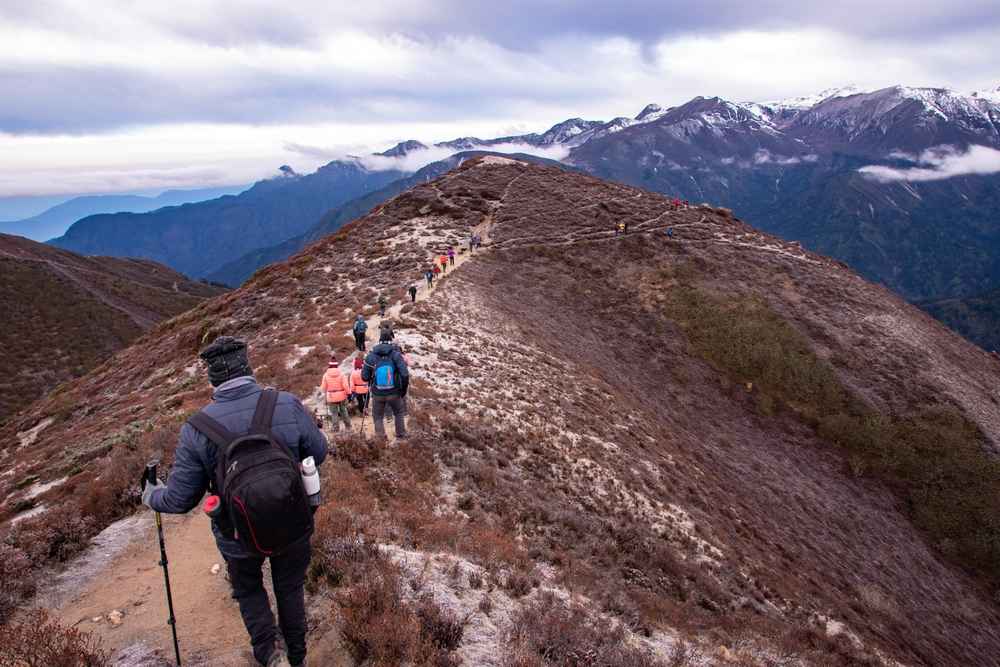
Up in the air it is difficult to breathe, because it gets thinner. Failure to get care can make you ill in high altitudes which is hazardous in case you fail to get it in time. To prevent this:
- While you’re traveling up to higher places like Dzongri and Goechala Pass, take stops to get acclimated to the altitude.
- To avoid altitude sickness, make sure you go up slowly instead of straining yourself too hard.
- Drink plenty of water to stay hydrated and help your body adjust.
2. Trekking with a Guide
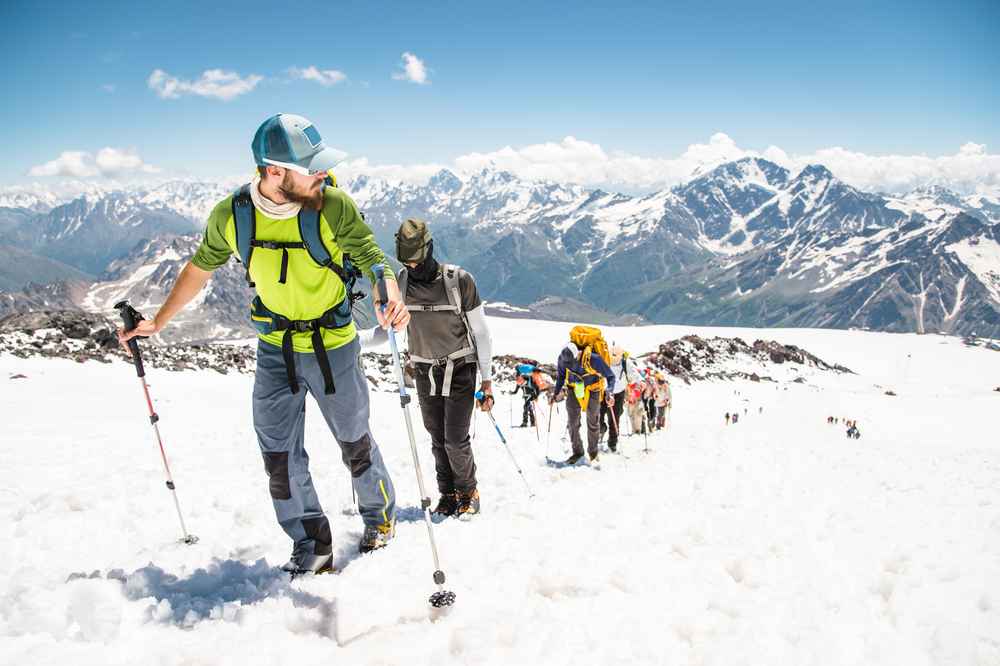
If you’re unfamiliar with trekking at high elevations, it’s advisable to hire a guide who knows what they’re doing. A Trekking guide will help you stay on the right road, warn you about any dangers, and be there for you if something goes wrong. They can also inform you about the area’s animals, culture, and history, which can make your trip more fun.
| Why You Should Hire a Guide | Details |
| Safety and Navigation | Guides assist you find the proper way and not get lost. |
| Cultural Insights | Local guides can tell you about Sikkim’s culture, history, and communities. |
| Emergency Assistance | In case of an accident, a guide is very important for getting help right away and calling for help. |
3. Physical Fitness
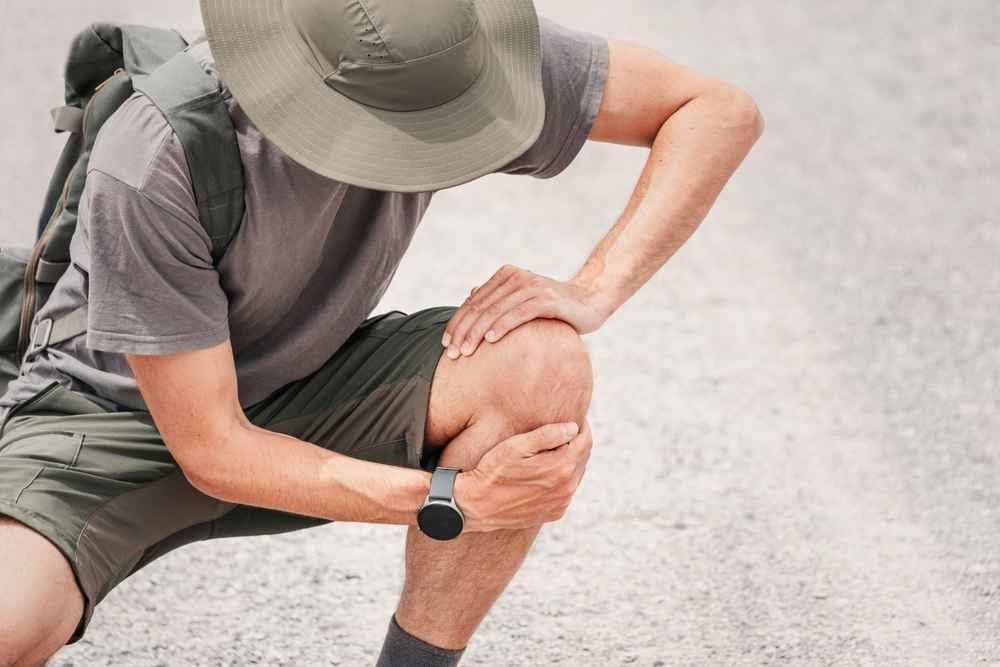
As the Goechala Trek is a lot about walking long distances, steep climbs and terrible weather at high altitude you should not miss it. It’s really necessary to prepare your body for the hike.
- It’s important to be fit for your heart and blood vessels. To build stamina, do aerobic workouts like jogging, biking, or other activities.
- You can handle the high climbs and descents better if you work on your legs, back, and core muscles.
- Before you try the Goechala Trek, test your endurance by going on shorter climbs or treks.
4. First Aid Kit
In an emergency, having a first aid pack can make a great difference. Check to see if your kit has:
- Painkillers, antihistamines, and drugs for altitude sickness are all basic medicines.
- Antiseptic wipes and bandages for cuts and blisters.
- Use sunscreen, lip balm, and bug spray to keep pests, sunburns, and chapped lips away.

Must-Know Tips for Goechala Trek
Here are some important recommendations to help make your Goechala Trek as smooth and fun as possible:
1. Best Time to Trek
The favorable seasons to undertake Goechala Trek are just before and after the monsoon season which is from March to May and September to November. These are great months for hiking because the weather is good. The weather is fine and the sky is clear. You get a very nice view of Kanchenjunga and other Himalayan peaks.
| Season | Best Months | Weather |
| Pre-Monsoon | March – May | Mild temperatures, clear skies, blooming flowers |
| Post-Monsoon | September – November | Crisp air, clear skies, perfect trekking conditions |
| Monsoon | June – August | Tremendously high rainfall, very icy trails, hazardous conditions |
2. Essential Gear
Packing the right supplies is really crucial for a safe and fun trek. Here are the things you’ll need to carry for your Goechala Trek:
| Essential Gear | Purpose |
| Waterproof Trekking Boots | Sturdy boots to tackle rugged, slippery terrain |
| Thermal Clothing | Essential for staying warm at high altitudes |
| Trekking Poles | To support your knees during descents |
| Backpack with Rain Cover | To protect your gear from rain |
| Headlamp | For early morning or late evening treks |
3. Be Ready for Altitude Sickness
There is no exception when it comes to altitude sickness and even an individual who has a long experience in hiking may develop it. Of the highest importance is:
- Stop and take a break right away.
- If symptoms don’t go away, go down to a lower altitude.
- If your symptoms don’t go away or get worse, see a doctor.
4. Respect the Local Culture
On the Goechala Trek, you’ll stroll through little settlements and meet the people that live there. You should value the deep traditions and culture of Sikkim. If you want to take pictures of people or their possessions, be sure to ask first. Also, be aware of how things work in the area.
FAQ
Q: How long is the Goechala Trek?
A: It normally takes about ten days to finish the Goechala Trek. This takes time to become used to the high altitude and the steady rise.
Q: Do I need permits for the Goechala Trek?
A: Getting into Khangchendzonga National Park will require a permit, and in order to hike in Sikkim, a permit will be required as well. You will get these clearances in Yuksom.
Q: Is Goechala Trek suitable for beginners?
A: The Goechala Trek is a moderate trail, and even a beginner can complete it so long as he/she is fit enough and trained well; he or she must be prepared to take on the high altitude conditions.
Q: What is the highest point on the Goechala Trek?
A: Goechala Pass is the Uppermost point on the trail, which is above 4940 meters (16210 feet).
Conclusion
The Goechala Trek lets you see amazing views, walk on different types of land, and learn about Sikkim’s culture. If you stick to the plan, follow the safety rules, and bring the right gear, you can be sure that your trek will be safe and go well. The hard parts at high altitudes, the stunning views, and the sense of success you get at Goechala Pass will stay with you forever.